Is a Home Rooftop Solar System Right for You?
A home rooftop solar system converts sunlight into electricity that powers your house — reducing or even eliminating your monthly utility bill.
Here’s a quick overview of how it works and what to expect:
| Topic | Quick Answer |
|---|---|
| How it works | Solar panels on your roof produce electricity from sunlight. An inverter converts it for home use. |
| Main components | Panels, inverter, racking, wiring, and optional battery storage |
| Average cost | Roughly $10,000–$25,000 before incentives, depending on system size |
| Federal tax credit | 30% of total system cost (as of May 2026) |
| Payback period | Typically 6–12 years depending on financing and local rates |
| Home value impact | Homes with solar sell for an estimated 4.1% more |
| Best roof for solar | South-facing, minimal shade, less than 20 years old |
| Lease vs. buy | Buying (cash or loan) builds equity; leasing lowers upfront cost |
Solar energy in the United States has grown dramatically over the past decade and a half. Residential installations grew 27 times between 2010 and 2020 — from 667 megawatts to over 18,000 megawatts. At the same time, the cost of going solar has dropped by half since 2010, even before incentives are applied.
For homeowners in East Tennessee, that momentum is hard to ignore. Rising utility rates, the threat of power outages, and growing environmental awareness are pushing more families to ask a simple question: Could solar work for my home?
This guide answers that question — clearly and honestly.
I’m Ernie Bussell, founder and CEO of Your Home Solar, the #1 solar energy contractor in East Tennessee, and I’ve spent years in solar operations and installation helping homeowners make confident decisions about a home rooftop solar system. From leading a $40 million per year installation operation to building Your Home Solar from the ground up, my focus has always been the same: explain it clearly, install it correctly, and support you for the long haul.
What Is a Home Rooftop Solar System and How Does It Work?
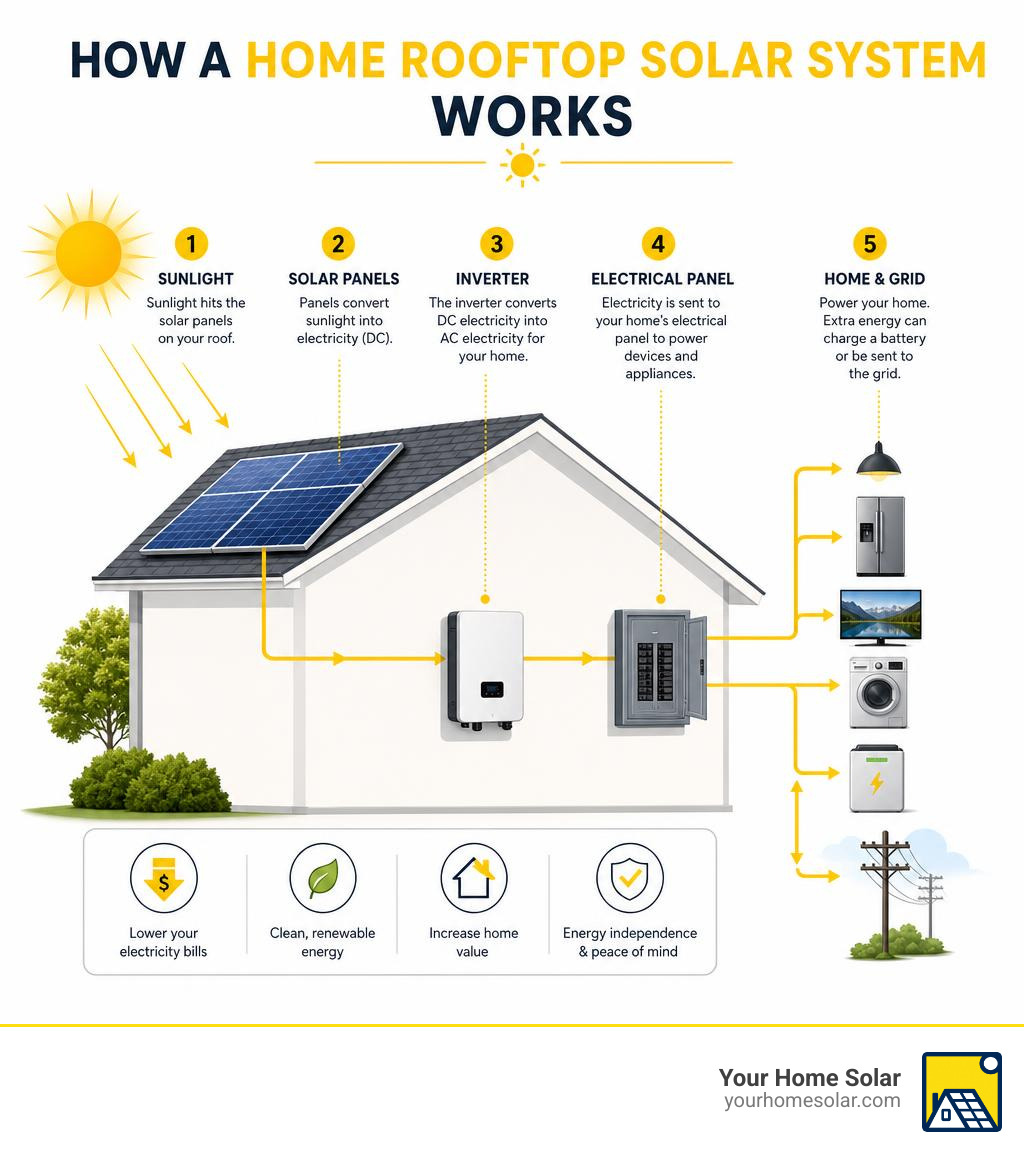
To understand how a home rooftop solar system fits into your daily life, it helps to look at how it interacts with your home’s electrical panel and the local power grid.
A standard residential solar system is wired “behind-the-meter.” This means the system is connected directly to your home’s electrical distribution panel rather than directly to the utility lines. When the sun is shining, your appliances draw power from the solar array first. If your panels produce more power than your home needs, that excess electricity flows backward through your utility meter and out to the grid, often earning you utility credits.
For a complete breakdown of this process from start to finish, you can read The Ultimate Guide to Residential Solar Installation from Panels to Power.
How Solar Panels Turn Sunlight Into Electricity
Solar panels are made up of individual silicon photovoltaic (PV) cells. When photons from sunlight strike these cells, they knock electrons free from their atoms. This movement of electrons generates direct current (DC) electricity.
Because your home’s appliances run on alternating current (AC) electricity, this DC power must be routed to an inverter. The inverter converts the electricity to AC and sends it straight to your home’s main breaker panel. From there, the electricity powers your lights, refrigerator, air conditioning, and electronics. At night, or during heavily overcast days when your panels aren’t producing enough power, your home seamlessly draws electricity from the utility grid just as it always has.
Grid-Tied and Battery-Ready Rooftop Solar Systems
Most residential solar systems fall into two categories:
- Grid-Tied Systems: These systems are connected directly to your local utility grid. They are highly efficient and cost-effective, but they have one major limitation: for safety reasons, if the utility grid goes down, a standard grid-tied system will automatically shut off to prevent sending electricity back into the lines where utility crews might be working.
- Hybrid (Battery-Ready) Systems: These systems pair your solar panels with an energy storage system (a battery bank) and a hybrid inverter. When the grid is active, you use your solar power and send any excess to the grid or use it to charge your battery. If a storm knocks out power in your neighborhood, the system automatically disconnects from the grid and uses the stored battery power to keep your essential household loads running.
Main Components of a Home Rooftop Solar System
A complete rooftop installation requires several highly specialized components working in harmony:
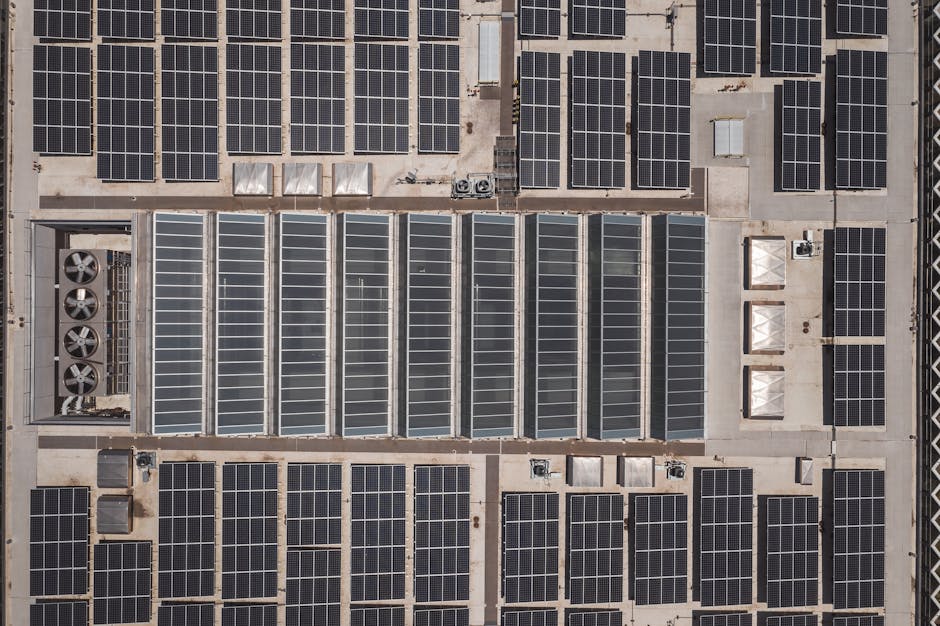
- Solar Panels: Typically made of high-efficiency monocrystalline silicon cells. Modern residential panels range from 350 to 440+ watts each.
- Inverters: You can choose between a single centralized string inverter or microinverters installed under each individual panel. Microinverters are excellent for roofs with complex angles or partial shading, as they allow each panel to operate independently.
- Racking and Mounting Hardware: This is the structural framework that secures the panels to your roof rafters. High-quality racking systems are engineered to withstand heavy snow loads and high winds.
- Rapid Shutdown Devices: A safety feature required by modern electrical codes that allows firefighters or service technicians to quickly cut off all high-voltage DC power at the roof level.
- Monitoring Systems: A smart app connected to your inverter that lets you track your daily energy production and system health in real time.
Is Your Home Suitable for Rooftop Solar?
Before you purchase any equipment, we need to perform a comprehensive feasibility assessment of your property. Not every roof is a perfect candidate for solar, and knowing your home’s limitations early can save you thousands of dollars down the road. To prepare your property for this evaluation, check out our guide on Preparing Your Home for Solar Installation: What You Need to Know.
Roof Condition, Age, and Structural Readiness
Because high-quality solar panels are designed to last 25 to 30 years, your roof needs to be in excellent condition before installation. If your asphalt shingle roof is more than 15 years old, or showing signs of wear, we highly recommend replacing it before installing solar. Removing and reinstalling a solar array to accommodate a roof replacement later can cost several thousand dollars in labor.
Your roof must also be structurally sound. A typical residential system adds about 3 to 4 pounds of weight per square foot to your roof structure. During our site assessment, we inspect your attic space, rafters, and decking to ensure your home can safely handle this load.
Direction, Tilt, Shade, and Solar Production
The physical orientation of your roof plays a major role in how much energy your system will generate:
- Orientation: In the United States, south-facing roofs receive the most direct sunlight throughout the year and offer the highest energy production. East- and west-facing roofs are also highly viable, though they typically produce about 15% to 20% less energy than a south-facing array. North-facing roofs are rarely suitable for solar.
- Tilt: An optimal roof pitch is between 20 and 45 degrees. Fortunately, most standard residential roof pitches fall right into this sweet spot.
- Shading: Trees, chimneys, dormers, and nearby buildings can cast shadows that significantly reduce your system’s output. We use professional shade measurement tools and solar production software like PVWatts to model exactly how much sunlight your roof will receive across all four seasons.
HOA Rules, Local Restrictions, and Aesthetic Concerns
If you live in a neighborhood with a Homeowners Association (HOA), you must review their bylaws before moving forward. While many states have “solar access laws” that prevent HOAs from completely banning solar panels, they can still enforce reasonable aesthetic guidelines.
To keep your system looking sleek and low-profile, we often recommend using all-black solar panels (which feature black frames and backing sheets) paired with low-profile racking and hidden electrical conduit runs. We routinely assist our customers in preparing and submitting HOA architectural review applications to ensure a smooth approval process.
Home Resale Value, Property Insurance, and Appraisals
Does solar add value to your home? Yes, absolutely. Studies from real estate sources like Zillow show that homes with owned solar panels sell for an average of 4.1% more than comparable homes without solar.
When you own your system, that value is added directly to your home equity. We advise our clients to keep detailed installation records, equipment specifications, and utility bill savings reports to share with appraisers and future buyers. You should also contact your homeowners insurance provider to add the solar array to your policy; while it may slightly adjust your premium, it ensures your investment is fully protected against storm damage. To learn more about how solar ownership builds equity, read How Solar Panels for Homes Can Increase Your Property Value.
Costs, Incentives, Financing, and Payback for Rooftop Solar
Investing in a solar system is a financial decision, and understanding the numbers is key to determining your return on investment. For a detailed breakdown of pricing trends, see our guide on The Bright Side of Your Budget: Average Costs for Home Solar. You can also review localized pricing trends using the Solar Panel Cost Guide in Farragut, TN (2025 Update) – EcoWatch .
Cash Purchase vs. Solar Loan Financing
How you choose to fund your system impacts your long-term savings. Here is how the two primary ownership methods compare:
| Feature | Cash Purchase | Solar Loan Financing |
|---|---|---|
| Upfront Cost | High (full system cost paid upfront) | Low to zero down payment |
| Monthly Payments | None | Fixed monthly loan payment |
| Federal Tax Credit | Homeowner receives 100% of the credit | Homeowner receives 100% of the credit |
| Long-Term Savings | Highest (no interest charges) | High (savings offset by loan interest) |
| Home Sale Impact | Easy transfer of ownership to buyer | Loan must be paid off or assumed by buyer |
Solar Tax Credits, Rebates, Net Metering, and Utility Credits
The federal government offers a massive incentive to help homeowners transition to clean energy. The Residential Clean Energy Credit allows you to deduct 30% of your total solar installation costs from your federal tax liability. This credit applies to panels, inverters, racking, labor, and even battery storage systems. To learn how to claim this credit, check out Harness the Sun, Save on Taxes: Everything About the Federal Solar Credit and our comprehensive guide, Don’t Get Burned: A Guide to Residential Solar Incentives.
In addition to federal tax credits, your financial return is heavily influenced by your utility’s net metering policy. Net metering allows you to send excess solar generation back to the grid in exchange for credits on your monthly bill. In East Tennessee, policies vary by local power distributor (such as KUB or BrightRidge) under TVA guidelines, so we will help you navigate your specific utility’s interconnection agreement.
Typical Cost, Savings, and Payback Expectations
While costs vary based on your roof’s complexity and your household energy usage, here are some typical system sizes and pricing benchmarks before incentives are applied:
- Small System (4kW): Ideal for homes under 1,600 sq. ft. with low energy needs.
- Medium System (6kW): The average size for standard suburban homes (1,600 to 3,500 sq. ft.).
- Large System (10kW+): For larger homes with high electricity demands, electric vehicle charging, or heated pools.
To illustrate the long-term financial benefits, consider a real-world scenario from residential solar data: A home purchasing a solar system in cash can expect to save roughly $60,000 over 20 years. If that same system is financed with a solar loan, the homeowner can still expect about $20,000 in net savings over the same period once interest is factored in.
Installation Process: Choosing an Installer, Permits, Inspections, and Interconnection
Going solar involves several administrative and technical steps. Working with an experienced, certified professional ensures that your system is designed safely and approved quickly.
How to Choose a Reputable Solar Installer
Selecting the right contractor is the most important decision you will make. We encourage homeowners to look at local market data, such as the Best Solar Companies in Knoxville, TN: 2026 Trusted Local Installers , to compare top-rated providers in our area. You can also research regional installers in neighboring communities:
- Best Solar Companies in Maryville, TN: 2026 Trusted Local Installers
- Best Solar Companies in Kingsport, TN: 2026 Trusted Local Installers
- Best Solar Companies in Sevierville, TN: 2026 Trusted Local Installers
- Affordable Residential Solar Installation – Morristown Solar
When vetting potential installers, always ask these crucial questions:
- Are your installers certified by the North American Board of Certified Energy Practitioners (NABCEP)?
- Do you use your own local employees, or do you subcontract the installation to out-of-area crews?
- What workmanship and roof-penetration warranties do you offer?
- Can you provide a detailed, itemized proposal with clear equipment specifications?
To protect yourself from high-pressure sales tactics and common industry pitfalls, read our expert advice on How to Get Solar Without Getting Scammed.
Permits, Inspections, and Utility Interconnection Steps
A professional installation involves a structured, multi-step process that we handle on your behalf:
- Site Survey and Engineering: We perform detailed measurements of your roof and electrical panel to create a custom structural and electrical blueprint.
- Permitting: We submit these engineering plans to your local city or county building department to secure the necessary building and electrical permits.
- HOA and Utility Applications: We submit the technical specifications to your HOA for approval and file an interconnection application with your local utility company.
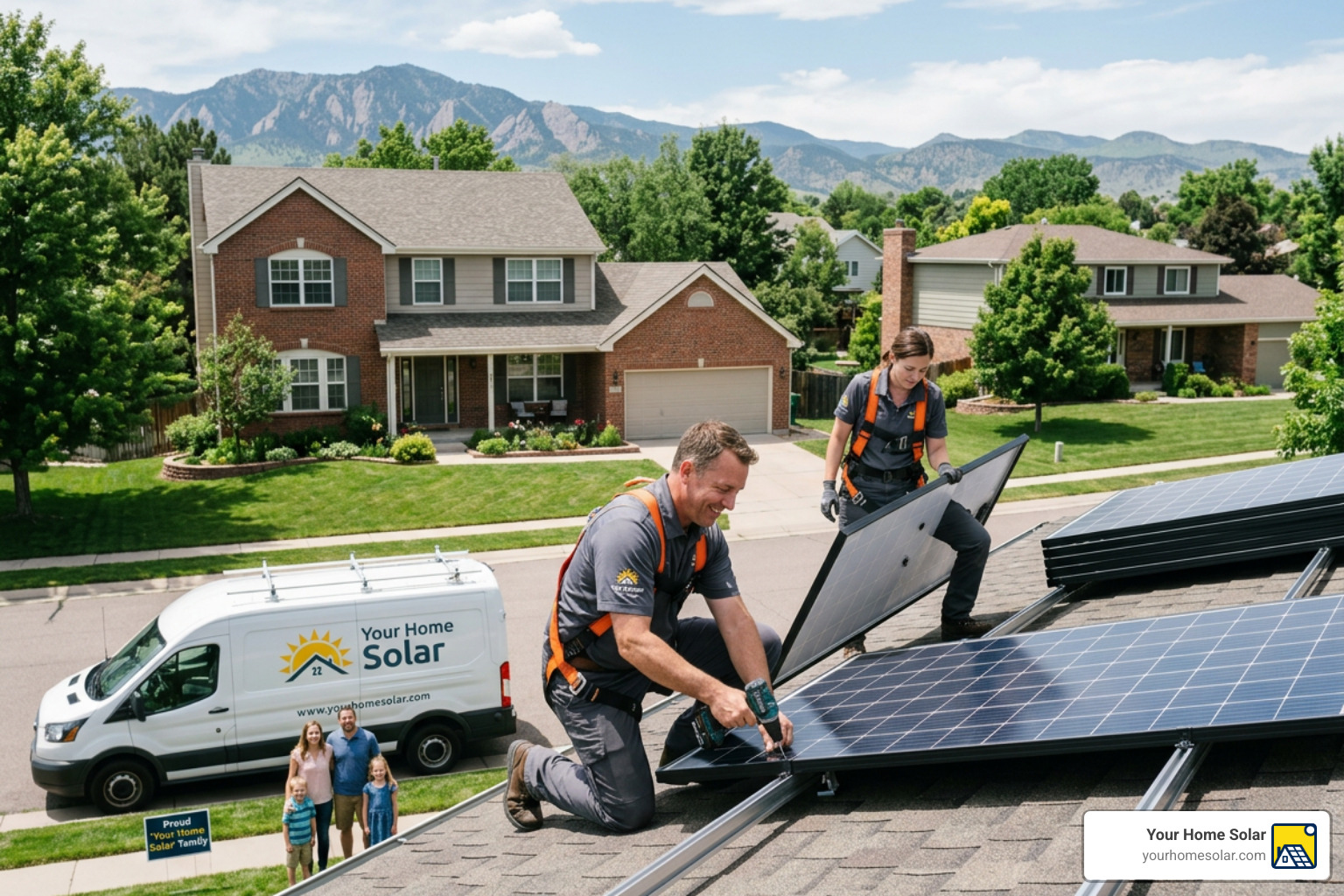
- Physical Installation: Our experienced crew mounts the racking, installs the panels, runs the electrical conduit, and mounts the inverter. This step typically takes just 1 to 2 days.
- Final Inspections: A local municipal inspector visits your home to sign off on the electrical and structural work.
- Utility Interconnection (Permission to Operate): The utility company conducts a final review, swaps out your standard meter for a bidirectional net meter, and officially grants permission to turn your system on.
Why Professional Solar Installation Matters
While complete DIY solar kits are available online, self-installation is highly discouraged for residential properties. Working with high-voltage electricity on a sloped roof carries significant safety risks. Furthermore, most local utilities in East Tennessee will not approve interconnection applications unless the system has been installed and signed off by a licensed electrical contractor. Professional installation ensures that your manufacturer warranties remain fully intact, your roof attachments remain completely watertight, and your system complies with all local building and fire codes.
Batteries, Backup Power, Warranties, Maintenance, and Environmental Benefits
Beyond the immediate financial savings, installing solar provides long-term energy resilience and a meaningful reduction in your household’s carbon footprint.
Battery Storage Options for a Home Rooftop Solar System
Adding a battery backup system to your solar array allows you to store excess daytime solar energy for use at night or during a power outage.
Modern lithium iron phosphate (LFP) batteries are incredibly durable, safe, and designed for daily cycling. During an outage, a hybrid inverter automatically switches your home over to battery power in a fraction of a second. You can choose to back up your entire home (which requires a larger battery bank) or set up an “essential loads panel” to keep critical appliances—like your refrigerator, well pump, home medical equipment, lights, and Wi-Fi router—running smoothly during extended grid failures.
Warranties and Maintenance Requirements
A home solar system is a long-term investment, and it is protected by several layers of warranties:
- Solar Panel Performance Warranty: Typically guarantees that the panels will still produce at least 80% to 85% of their original rated power output after 25 years.
- Solar Panel Product Warranty: Covers physical defects in materials or workmanship, usually lasting 10 to 12 years (and up to 25 years on premium panels).
- Inverter Warranty: Usually ranges from 10 to 12 years for string inverters, and up to 25 years for microinverters.
- Workmanship Warranty: Provided by your installer to cover the physical installation, roof penetrations, and wiring.
To understand how these protections apply to our region, read Understanding Residential Solar Warranties in East Tennessee: What’s Covered?.
Fortunately, solar systems require very little ongoing maintenance because they have no moving parts. Keep an eye on your monitoring app for any performance alerts, and occasionally check for debris or heavy leaf accumulation on your panels. For detailed tips on keeping your system running at peak efficiency, see Solar Energy Maintenance 101: Tips for Keeping Your System Running Smoothly and Solar Panel Durability: How Long Do They Last?.
Environmental Benefits of Going Solar
Switching to solar power directly reduces our reliance on fossil fuels, leading to cleaner local air and a healthier community. Over its 25+ year lifespan, a typical residential solar array offsets tons of carbon dioxide emissions—the equivalent of planting hundreds of trees. When you pair your solar system with home energy efficiency upgrades, smart home automation, or an electric vehicle (EV) charger, you create a highly sustainable, self-sufficient household energy ecosystem.
Frequently Asked Questions About a Home Rooftop Solar System
How many solar panels does a typical home need?
The average home requires anywhere from 15 to 25 solar panels to offset its electricity usage. The exact number depends on your annual kilowatt-hour (kWh) consumption, the wattage of the panels you select, and the amount of direct sunlight your roof receives. During your consultation, we review your past 12 months of utility bills to design a system optimized for your specific usage patterns.
Will solar panels work during a power outage?
If you have a standard grid-tied solar system, it will automatically shut down during a power outage to protect utility workers. However, if your system includes a hybrid inverter and battery storage, it will automatically isolate your home from the grid and continue generating and storing power to keep your essential appliances running.
How long does rooftop solar installation take?
While the physical installation of the panels and electrical components on your roof typically takes only 1 to 2 days, the entire process—including custom engineering design, HOA approvals, municipal permitting, inspections, and utility interconnection—usually takes between 4 to 8 weeks from start to finish.
Conclusion
Installing a home rooftop solar system is one of the most rewarding home improvement projects you can undertake. It offers a rare combination of long-term utility savings, increased property value, environmental stewardship, and emergency power resilience.
At Your Home Solar, we believe that going solar should be a simple, rewarding, and transparent experience. We provide comprehensive home energy solutions across East Tennessee, including professional solar installations, battery backup systems, generators, and EV chargers. Our team is dedicated to trusted local expertise and 100% customer satisfaction, ensuring your custom system is engineered to perform beautifully for decades to come.
Are you ready to take control of your energy future? Explore residential solar options with us today and request your free, customized home solar assessment!