
Can You Safely Use a Level 2 Charger Extension Cord?
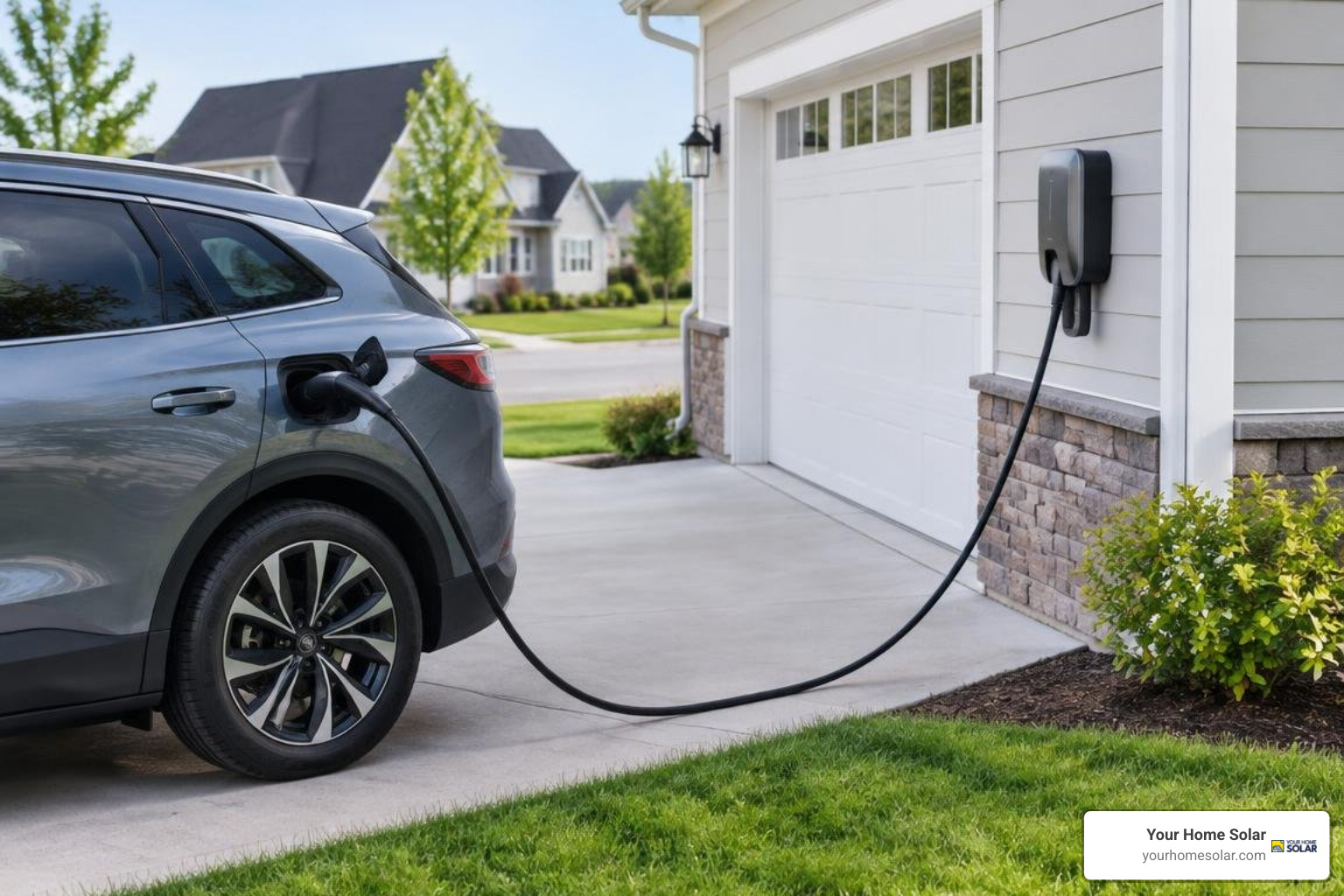
A level 2 charger extension cord adds reach to a 240-volt EV charging setup, but it is not a substitute for a household extension cord. Check your vehicle and charger’s instructions first: many manufacturers warn against extensions. If an extension is permitted, it must match the charger’s connector and continuous amperage, be rated for the conditions where you use it, and be kept as short as practical. For everyday home charging, a properly placed outlet or hardwired charger avoids the extra connection that can overheat.
I’m Ernie Bussell, founder of Your Home Solar. My quality-assurance background and work leading home energy installations shape how I assess a level 2 charger extension cord: start with the equipment instructions, then put electrical safety ahead of convenience.
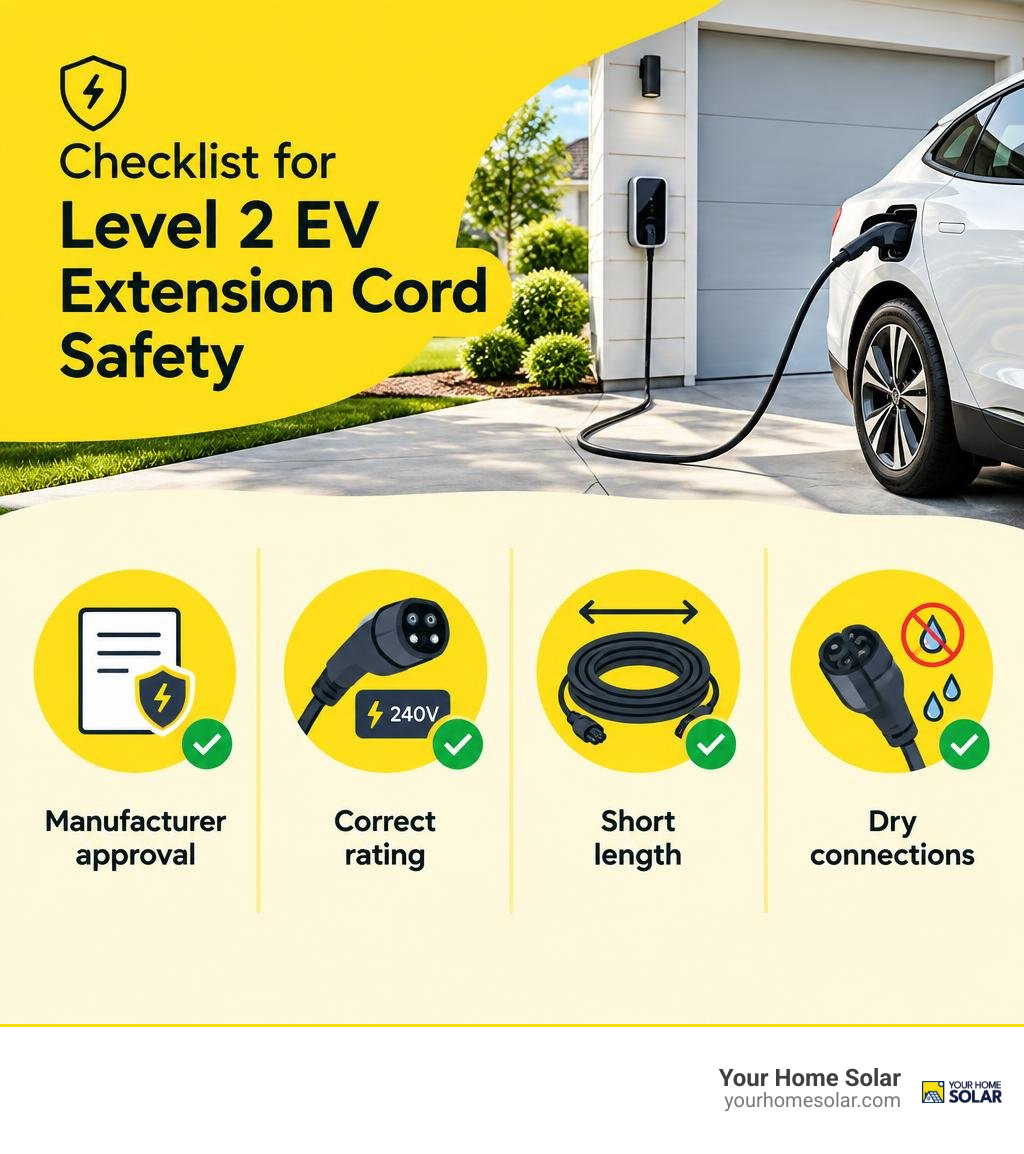
Know your level 2 charger extension cord terms:
Understanding the Level 2 Charger Extension Cord and How It Works
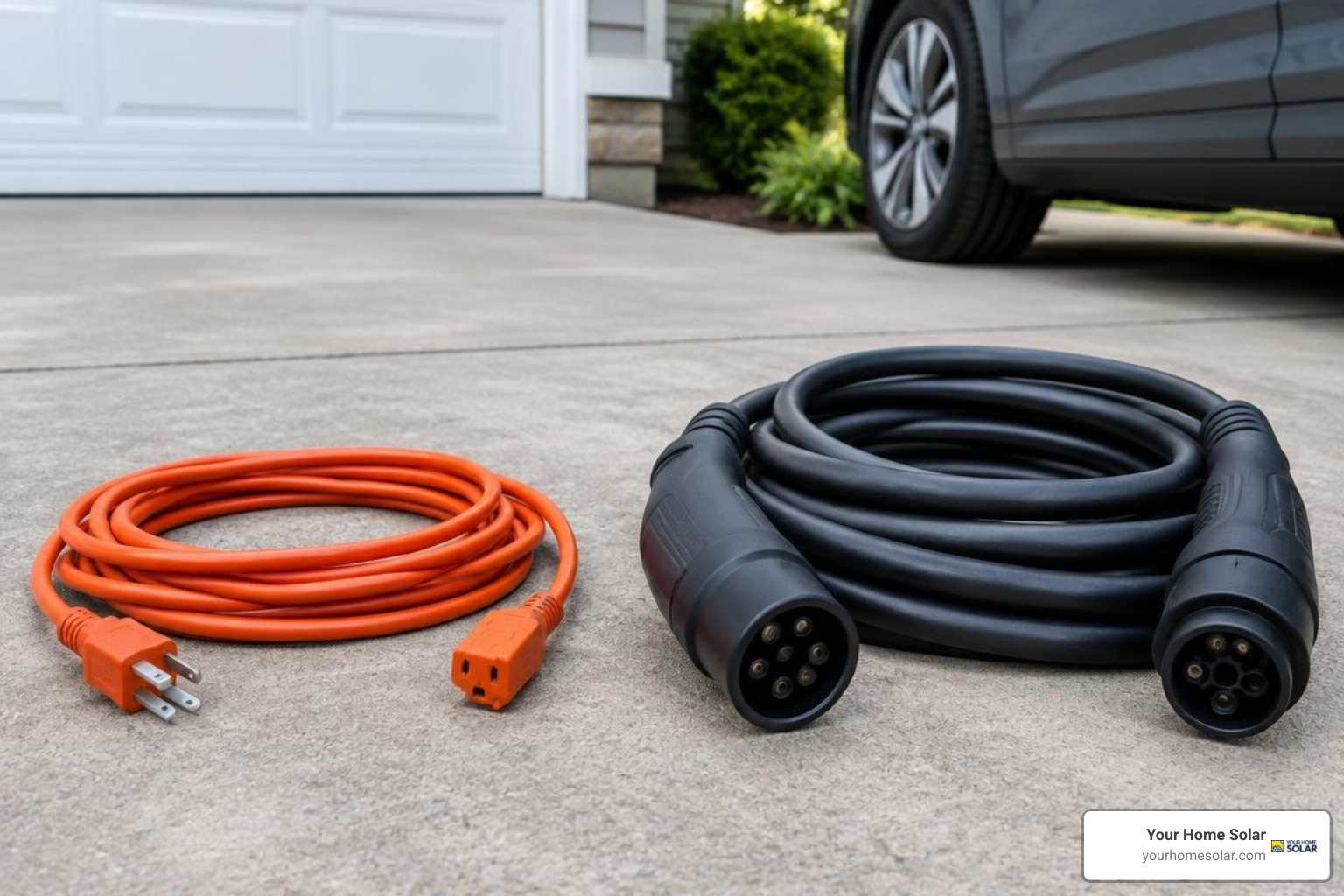
Connecting an electric vehicle to a power source is fundamentally different from plugging in a living room floor lamp or a shop vacuum. When you power up a car, you are pulling massive amounts of electrical current uninterrupted for hours at a time. A standard orange or yellow household extension cord is engineered for light, intermittent draws. Subjecting that flimsy wire to high-draw charging will quickly melt the insulation, fry your outlet, and create a serious fire hazard.
To understand why this happens, it helps to review the straightforward breakdown of every EV charging level for new drivers. Level 2 equipment relies on dedicated 240-volt alternating current (AC) electricity. Because EV charging qualifies as a continuous electrical duty cycle—meaning the maximum current flows without interruption for three hours or more—the electrical resistance inside every foot of cable generates sustained thermal energy.
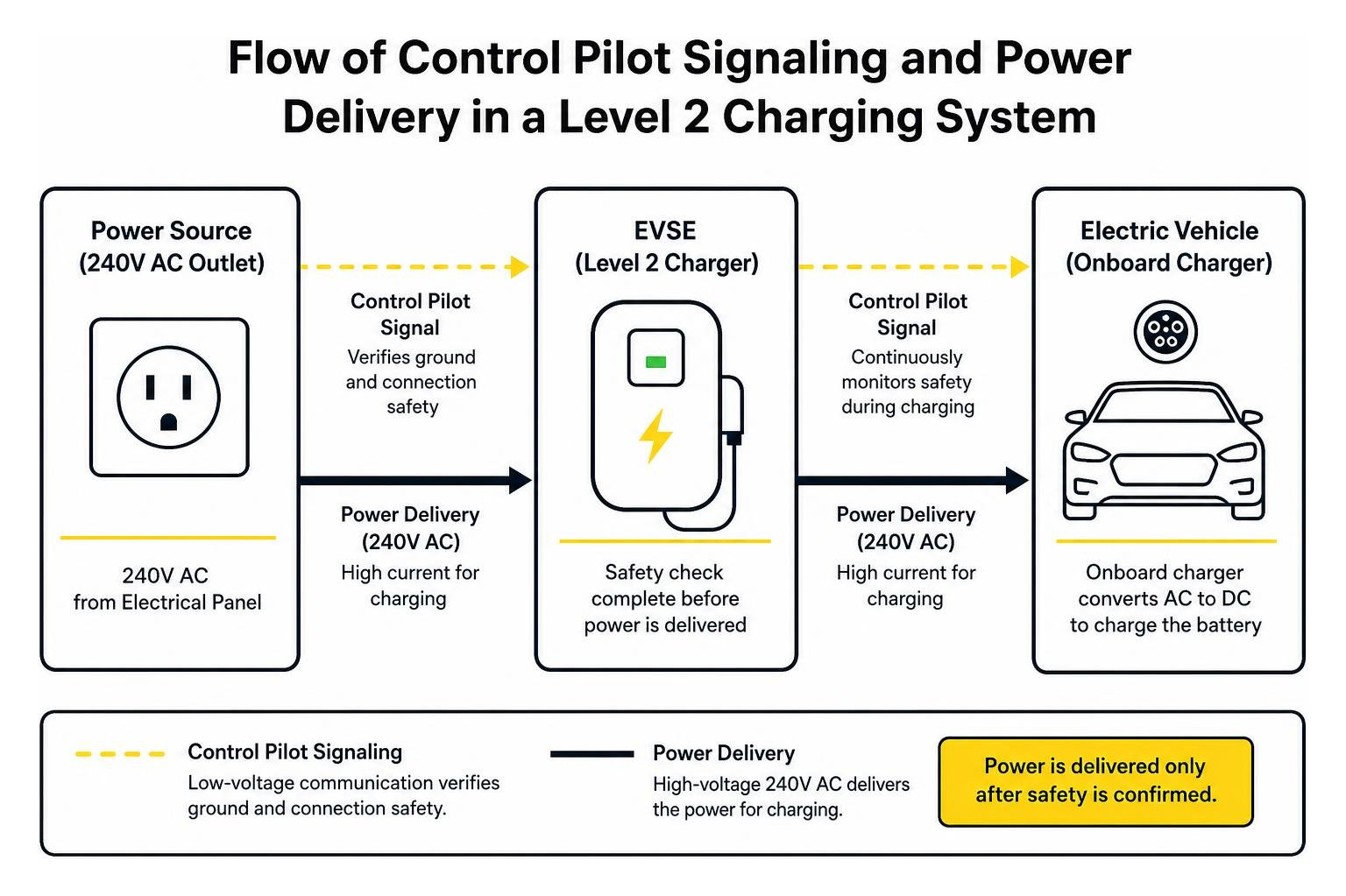
Purpose-built cords handle this continuous duty cycle using heavy copper conductors and robust insulation that effectively dissipates heat. Furthermore, dedicated EV cords accommodate the sensitive control pilot signaling that travels between your car and the Electric Vehicle Supply Equipment (EVSE). This communication channel constantly verifies ground integrity and monitors connection safety before releasing high-voltage power. A low-grade cord disrupts this signal or introduces contact resistance, bringing your charging session to an abrupt, error-filled halt.
Supply-Side vs. Vehicle-Side Level 2 Charger Extension Cord Types
When looking for extended reach, you will encounter two primary styles of cords: supply-side and vehicle-side.
- Supply-Side Extension Cords: These heavy-duty cords sit between your 240V wall receptacle and the EVSE power brick. Common configurations include heavy NEMA 14-50 cords, NEMA 6-50 workshop welder plugs, and NEMA 14-30 clothes dryer connections. When using these high-amperage lines, reviewing verified NEMA 14-50 continuous load specifications is essential to ensure your wall plug and extension match the required sustained draw.
- Vehicle-Side Extension Cables: These cables connect directly between the charging station’s handle and your car’s charge port. They come fitted with standard SAE J1772 connectors for universal vehicle compatibility or NACS (North American Charging Standard / SAE J3400) connectors for Tesla vehicles and newer EVs.
Vehicle-side extensions carry the control pilot signal directly through specialized internal wiring, preserving crucial safety communication between the vehicle and charger handle.
Level 1 vs. Level 2 Extension Cable Demands
The difference in electrical intensity between charging tiers is substantial:
- Level 1 Charging: Draws 12 to 15 amps over standard 120-volt circuits, delivering a modest 1.4 to 1.8 kilowatts (kW) of power. This “trickle charge” typically adds just 2 to 5 miles of driving range per hour.
- Level 2 Charging: Operates on 240 volts and draws anywhere from 16 to 48 continuous amps, delivering between 3.8 kW and 11.5 kW of power.
A typical EV equipped with a 60 kWh battery requires nearly 40 to 50 hours to recharge from empty using Level 1. On a proper 240V Level 2 setup, that same battery reaches a full charge in roughly 6 to 8 hours. However, handling four times the electrical power creates exponentially higher thermal accumulation. As a result, Level 2 cables require heavy-gauge copper wiring and industrial jacket compounds to prevent dangerous heat buildup.
Key Technical Specifications and Sizing Requirements
Choosing an EV extension cable requires strict attention to physical and electrical specifications. The table below outlines standard configurations for 240V circuits:
| Circuit Rating | Continuous Current Limit (80% Rule) | Minimum Wire Gauge (AWG) | Maximum Power Output (240V) | Common Plug Configuration | Recommended Max Length |
|---|---|---|---|---|---|
| 20 Amp | 16 Amps | 12 AWG | 3.8 kW | NEMA 6-20 | 50 feet |
| 30 Amp | 24 Amps | 10 AWG | 5.7 kW | NEMA 14-30 / 10-30 | 30 feet |
| 40 Amp | 32 Amps | 8 AWG | 7.6 kW | NEMA 14-50 / 6-50 | 25 feet |
| 50 Amp | 40 Amps | 6 AWG (+ 8 AWG ground) | 9.6 kW | NEMA 14-50 / 6-50 | 25 feet |
| 60 Amp (Hardwired) | 48 Amps | 6 AWG (90°C copper) | 11.5 kW | Direct Hardwire / NACS | 20 feet |
Beyond conductor size, look for heavy-duty, oil- and weather-resistant thermoplastic jackets labeled STW or SOOW. These jackets withstand UV exposure, abrasions, and broad temperature swings. For outdoor reliability, choose equipment with an IP65 or IP66 ingress protection rating to seal out windblown dust and driving rain. High-end vehicle-side couplers also feature silver-plated copper contact pins, which provide superior electrical conductivity, resist surface corrosion, and minimize contact resistance across thousands of plug-in cycles.
Sizing Wire Gauge for a Level 2 Charger Extension Cord
In the American Wire Gauge (AWG) system, smaller numbers represent thicker copper conductors capable of safely moving more electrical current. When comparing Level 2 charging equipment, you must match your cable’s wire thickness to your charging station’s maximum amperage:
- 10 AWG: Sized for 30-amp circuits delivering up to 24 continuous amps (common on dryer circuits).
- 8 AWG: Required for 40-amp circuits delivering up to 32 continuous amps.
- 6 AWG: Necessary for heavy-duty 50-amp circuits carrying 40 continuous amps.
Using an undersized cable—such as running a 40-amp charger through a 10 AWG line—causes the wire to act like an electric heating element, quickly melting terminal plastic and creating immediate fire hazards.
Voltage Drop, Cord Length, and Thermal Dissipation
Electrical resistance naturally increases over physical distance. When electricity travels through long cord runs (from 10 to 50 feet), a portion of that energy is lost as dissipated heat, leading to a phenomenon known as voltage drop.
National electrical standards recommend keeping total voltage drop below 3% to protect sensitive onboard electronics. A significant drop in voltage causes your vehicle’s onboard computer to throttle charging speeds or stop the session entirely to prevent damage.
To maintain safe thermal dissipation:
- Select the shortest cord length that comfortably reaches your car’s charge port.
- Always uncoil the extension cord fully across the floor before charging. Leaving a cable coiled or bundled on a wall hook traps radiating heat, dramatically elevating internal temperatures and degrading the insulation.
Safety Hazards, Electrical Codes, and Warranty Implications
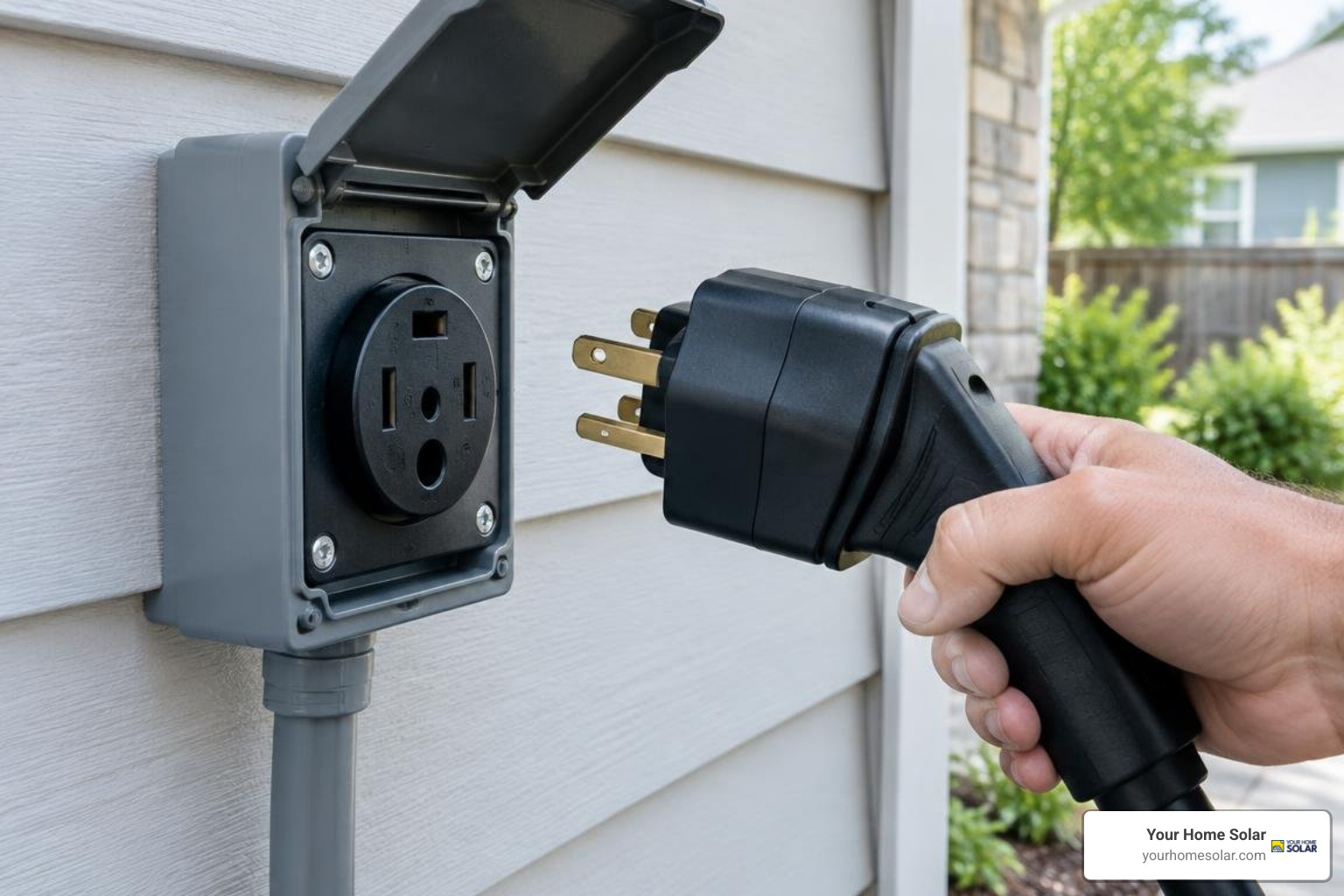
Introducing an extension cord into a high-voltage charging setup creates inherent electrical safety risks. Every added mechanical plug and receptacle creates an extra point of electrical contact resistance. Over time, terminal blades loosen, collect dust, corrode, or suffer dielectric insulation failure from constant thermal expansion and contraction cycles.
Because of these documented dangers, most major vehicle manufacturer warnings on extension cord usage explicitly instruct owners never to use third-party extension cords, multi-plug splitters, or unapproved adapters.
When selecting secondary EV cables, always verify independent safety certifications from nationally recognized testing laboratories:
- UL 2263: Evaluates the physical durability, temperature limits, and insulation of EV supply cables.
- UL 2251: Rigorously tests the plugs, receptacles, and vehicle couplers for dielectric strength and arc resistance.
- UL 2594 / ETL Listed: Certifies the complete EVSE station assembly for operational safety and fault protection.
National Electrical Code Rules and Continuous Load Calculations
The National Electrical Code (NEC) outlines strict rules for continuous high-voltage loads in residential spaces:
- NEC Article 625: Classifies electric vehicle charging as a continuous load. Branch circuits and charging equipment must be sized at 125% of the continuous draw (often referred to as the 80% continuous load rule). For example, a 40-amp continuous charge requires a 50-amp circuit breaker and appropriately sized 6 AWG wiring.
- NEC 400.12: Strictly limits the use of flexible cables, prohibiting flexible extension cords from being run through walls, ceilings, floors, doorways, or attached permanently to building structural surfaces as a substitute for fixed building wiring.
- GFCI Coordination: NEC rules require ground-fault circuit-interrupter protection on high-voltage garage receptacles. Chaining extension cords can cause nuisance tripping due to minor capacitive leakage over extended cable distances.
To ensure your home’s electrical infrastructure can support these loads safely, review consumer unit electrical panel compatibility before adding high-draw circuits.
Manufacturer Warranties and Legal Consumer Protections
Many factory OEM portable chargers incorporate sensitive thermistors inside the wall plug head. These sensors measure receptacle blade temperature in real time, shutting off current if the wall outlet overheats. When you insert an extension cord between the wall outlet and the charger, the sensor only measures the temperature at the extension coupler, leaving the primary wall outlet unmonitored.
Under the federal Magnuson-Moss Warranty Act, an automaker cannot automatically void your entire vehicle warranty simply because you used an aftermarket accessory. However, if an uncertified or improperly sized extension cord causes electrical surges, shorts, or port damage, the manufacturer will rightfully deny warranty coverage for those specific repairs. Furthermore, unpermitted or code-violating electrical setups can complicate homeowner’s insurance claims in the event of an electrical fire.
Best Practices and Safe Alternatives to Extension Cords
If you must use an EV extension cord for temporary situations or while traveling, follow these essential best practices:
- Inspect Hardware Regularly: Examine plug blades and coupler cavities before every use for signs of heat discoloration, melted plastic, or bent pins.
- Keep Couplers Elevated: Never let an electrical connection sit directly on the ground where rain runoff, snowmelt, or garden irrigation can reach it.
- Provide Cord Strain Relief: Secure the heavy cable weight so it does not pull downward on wall outlets or the vehicle charging socket.
- Never Daisy-Chain: Never connect two extension cords together to gain extra distance.
For routine, reliable everyday charging, permanent installations are far safer and more convenient than temporary cords. Exploring the definitive guide to 240V EV charger installation costs can help you plan a permanent, code-compliant home charging space that adds lasting value to your property.
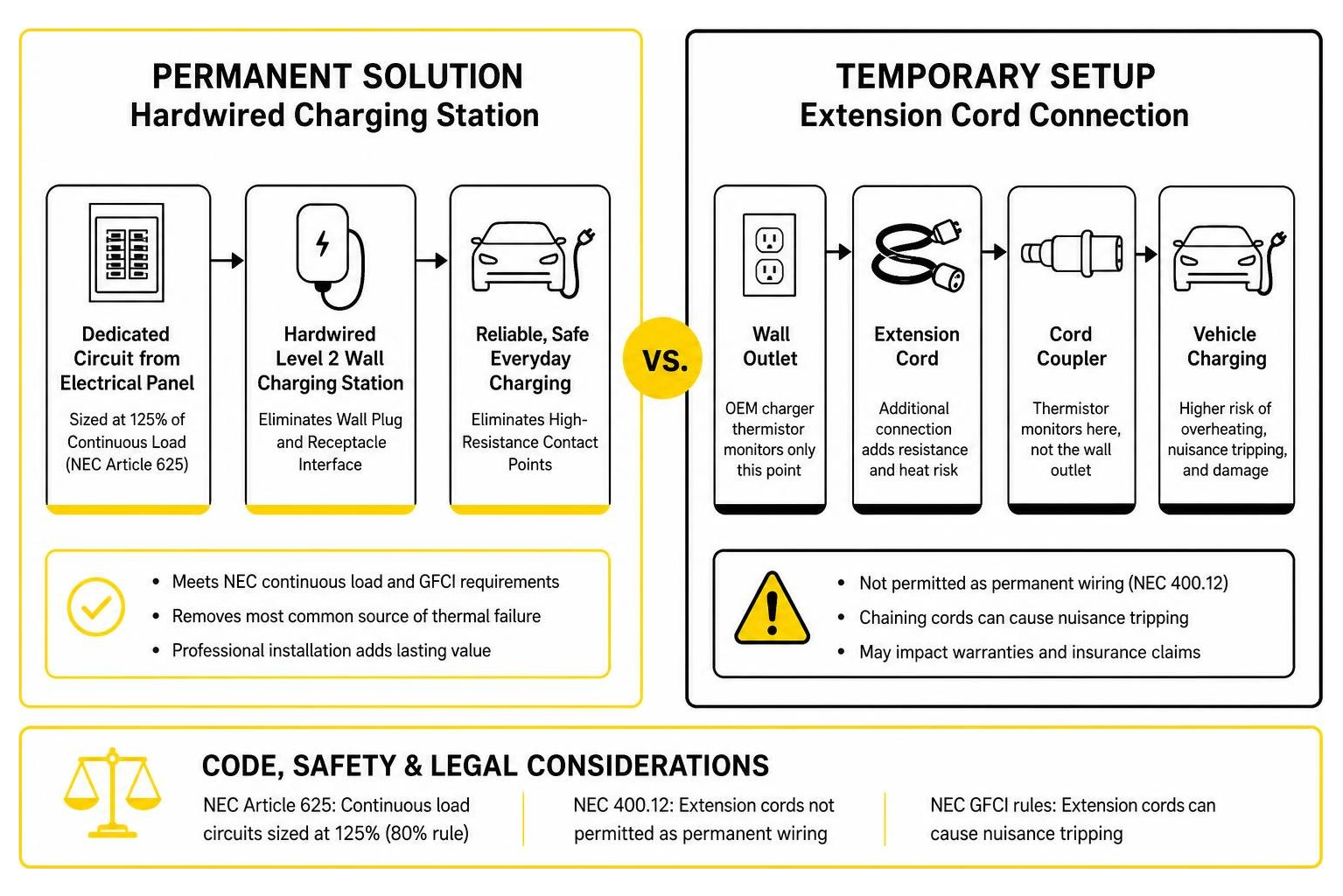
The Permanent Solution: Hardwired Charging
A dedicated, hardwired Level 2 wall unit installed by a licensed electrician offers clear advantages over flexible extension cords:
- Eliminates High-Resistance Contact Points: Hardwiring removes the wall plug and receptacle interface entirely, eliminating the most common source of thermal failure.
- Delivers Faster Charging Speeds: Direct wiring supports robust 48-amp continuous loads (on a 60-amp breaker), providing maximum Level 2 charging speeds (11.5 kW).
- Built-in Cable Reach: Modern wall stations come standard with durable, weather-rated 24- to 25-foot charging cables, providing plenty of reach across multi-car garages and driveways.
- Full Code Compliance: Professional installations adhere strictly to local permitting and electrical safety codes, safeguarding your home and vehicle warranty.
Frequently Asked Questions About EV Level 2 Extension Cords
Is it safe to use a Level 2 extension cord outdoors in rain or snow?
High-grade EV extension cords with IP66 ingress protection ratings and heavy STW jackets are built to handle outdoor moisture and temperature swings. However, the connection points remain vulnerable. Always plug into an in-use weatherproof outlet cover, keep intermediate couplers elevated off wet ground, and never connect cables with wet hands or allow plugs to sit in standing water.
Will an extension cord slow down my EV charging speed?
A properly sized extension cord with heavy copper conductors will not noticeably reduce charging speeds. However, if the cord is excessively long or uses undersized wire, the resulting voltage drop or heat accumulation will trigger the vehicle’s onboard safety systems or EVSE to derate charging current, slowing down your session.
Can I plug a 50-amp Level 2 charger into a 30-amp dryer outlet using an adapter cord?
You can physically connect them using an adapter cord, but doing so without adjusting your settings creates an immediate fire hazard. A 30-amp circuit has a continuous safety limit of 24 amps. If a 40-amp or 50-amp charger attempts to draw full power from that circuit, it will trip the breaker or overheat the wiring. You must manually derate the vehicle or charger output to 24 amps or below before charging on a 30-amp circuit.
Conclusion
A heavy-duty level 2 charger extension cord can provide helpful reach in temporary or travel situations, but it requires strict attention to wire gauge sizing, continuous load limits, and weatherproof construction. Cutting corners with undersized cables or improper setups puts your home, vehicle, and electrical panel at risk.
For homeowners throughout East Tennessee—from Knoxville and Maryville to Sevierville and Oak Ridge—installing a dedicated, professionally installed Level 2 charging station is the safest and most reliable way to power your electric vehicle.
To plan the ideal charging setup for your home, take a moment to explore the ultimate guide to home EV charging and see how clean energy solutions can power your daily drive.