Start With the Biggest Energy Drains
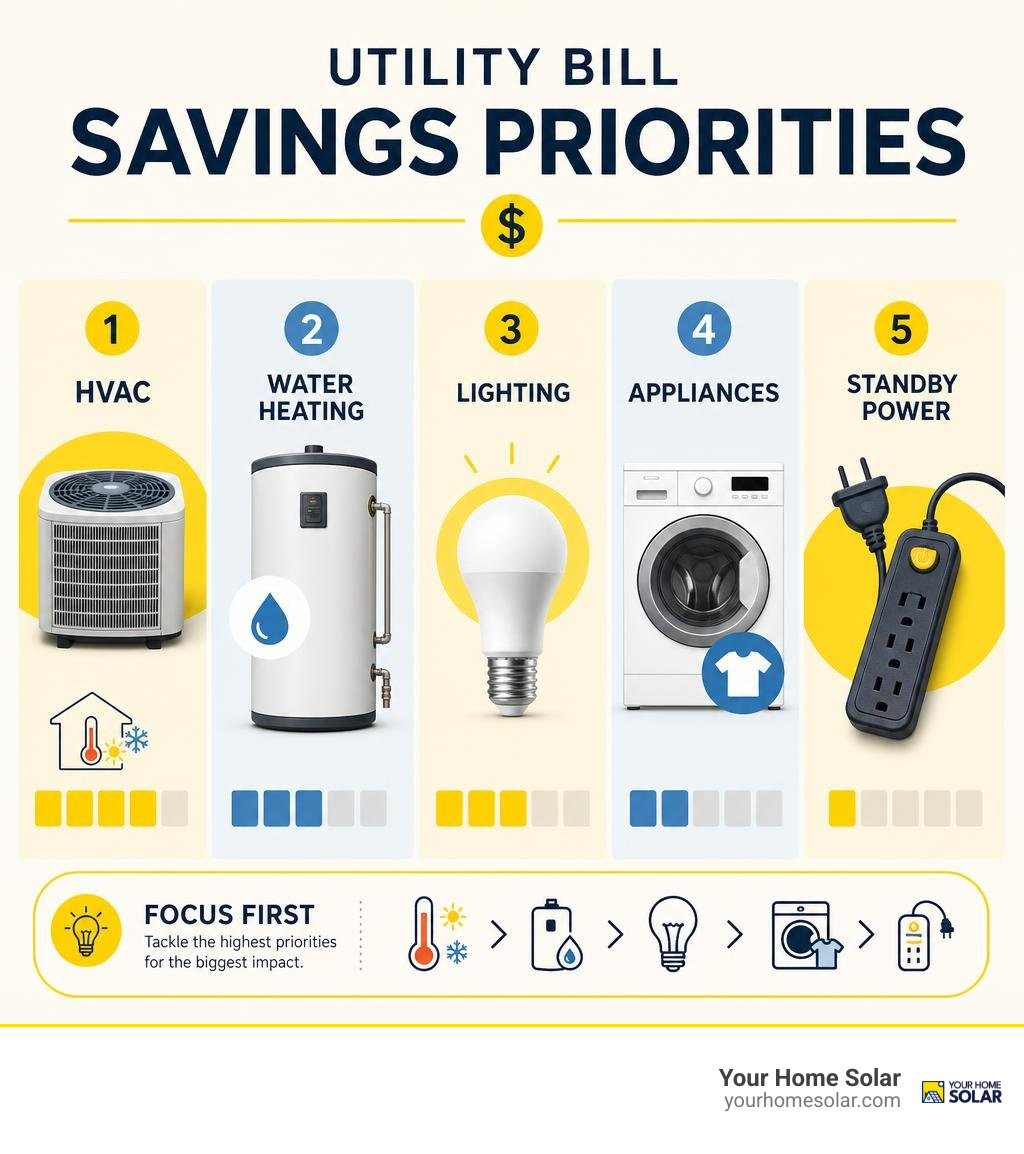
To learn how to lower your utility bill, start with the costs you can control fastest: heating and cooling, water heating, lighting, and electricity used by idle electronics. Adjust your thermostat when you sleep or leave home, replace incandescent bulbs with LEDs, wash clothes in cold water, run full appliance loads, and unplug or switch off devices that stay on standby.
Heating and cooling make up roughly 43% of the average home’s energy costs, so small thermostat changes and draft sealing can have an outsized impact. Setting the thermostat back 7-10 degrees for about eight hours a day can save up to 10% on heating and cooling costs. Sealing air leaks around doors, windows, and openings can cut those costs by another 10% to 20%.
These steps will not solve every bill increase overnight. But they reduce wasted energy now, make your home more comfortable through East Tennessee’s hot summers and cold snaps, and create a stronger foundation for long-term options such as solar and battery backup.
I’m Ernie Bussell, founder and CEO of Your Home Solar, with experience in solar operations, technical systems, and helping homeowners make clear energy decisions. In this guide, I’ll walk through how to lower your utility bill with practical changes that fit your home, budget, and long-term goals.
Identifying the Biggest Energy Drains in Your Home
When your monthly electric or gas bill arrives, it is easy to view that bottom line as a fixed cost. However, household energy consumption follows clear patterns. Across the United States, average residential electricity prices rose from 13.15¢ per kWh in 2020 to 15.96¢ per kWh in 2024—a 21% jump—and summer electricity bills in 2026 are forecast to reach an average of $192 per month.
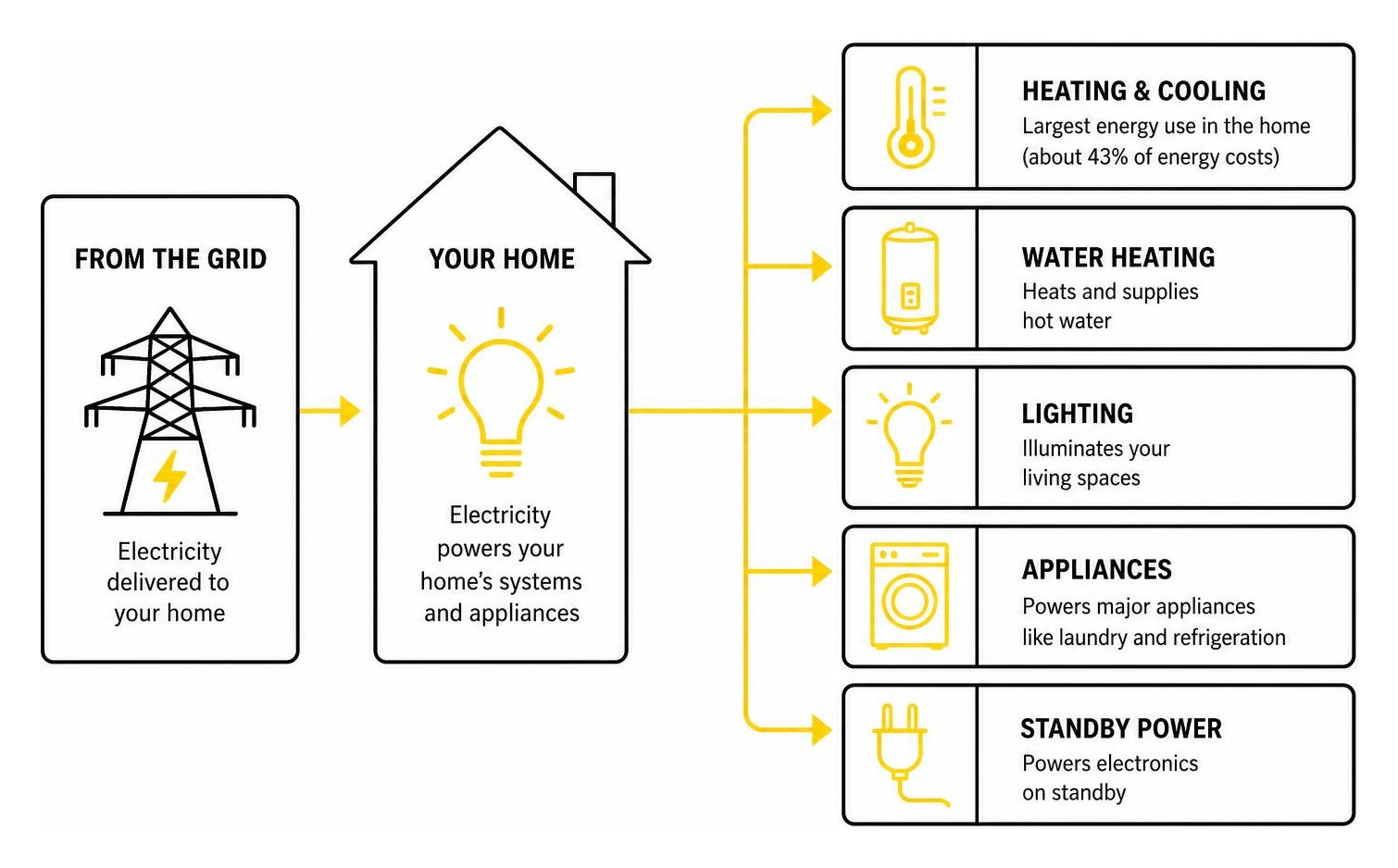
Understanding where power goes is the first step toward reclaiming your budget. A comprehensive Fidelity utility cost analysis shows that just four core household systems account for roughly 70% of total residential energy demand: space conditioning, water heating, refrigeration, and laundry.
Heating and Cooling Overhead
Space heating and air conditioning represent roughly 43% to 52% of total energy use in a standard single-family home. During muggy East Tennessee summers in Knoxville or chilly winter mornings in Sevierville, your HVAC unit works overtime to maintain indoor comfort.
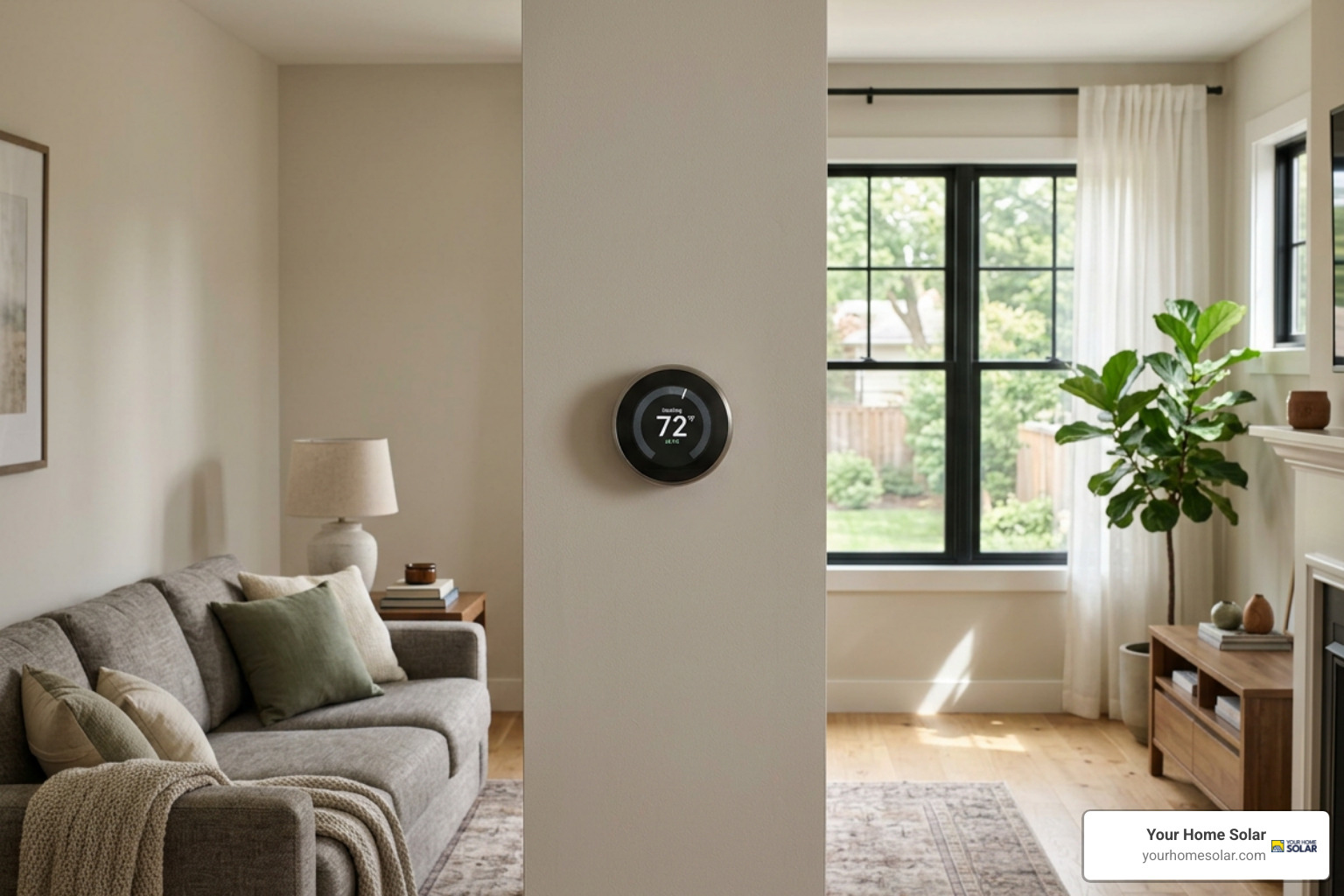
Every degree of variance matters. Setting your thermostat back by 7° to 10°F for eight hours a day can save up to 10% annually on heating and cooling costs. In the summer, keeping your baseline at 78°F rather than 72°F reduces cooling consumption by 12% to 18%.
Clogged air filters force your blower motor to work harder, increasing energy consumption by 5% to 15%. Replacing filters every 60 to 90 days preserves airflow. Furthermore, leaky ductwork in unconditioned attics or crawlspaces can lose 20% to 30% of conditioned air before it ever reaches your living room.
Standby Power and Vampire Electronics
Even when turned off, modern electronics draw continuous electrical current. Known as “vampire draw” or phantom load, standby power accounts for 5% to 10% of residential electricity consumption, adding $150 to $200 per year to the average household bill.
Key culprits include:
- Cable boxes and DVRs running background updates (often consuming 20–30W continuously)
- Gaming consoles left in standby or instant-on mode
- Desktop computers, monitors, and multi-display setups
- Countertop appliances with digital clocks (microwaves, high-end coffee makers)
- Unused wall chargers and power bricks left plugged into live sockets
Using smart power strips or unplugging devices in guest rooms and home entertainment centers cuts these silent drains immediately.
Proven Strategies on How to Lower Your Utility Bill Across Every Season
Implementing a balanced energy strategy means combining immediate behavioral tweaks with low-cost weatherization. According to the official DOE Energy Saver Guide, taking a whole-house systems approach yields compounded savings that far exceed isolated adjustments.
| Strategy / Upgrade | Typical Upfront Cost | Estimated Annual Savings | Payback Period |
|---|---|---|---|
| Thermostat Setbacks (7–10°F) | $0 | $100 – $150 | Immediate |
| Cold-Water Laundry Habits | $0 | $40 – $60 | Immediate |
| LED Lighting Conversion (Whole Home) | $30 – $60 | $150 – $200 | 2 to 5 Months |
| Air Sealing & Weatherstripping | $20 – $50 | $75 – $200 | 1 to 4 Months |
| Smart Power Strips (2–3 Units) | $30 – $60 | $50 – $100 | 4 to 8 Months |
| Water Heater Tank & Pipe Insulation | $40 – $70 | $40 – $80 | 6 to 12 Months |
| Smart / Programmable Thermostat | $100 – $250 | $120 – $180 | 1 to 2 Years |
Practical Behavioral Tweaks: How to Lower Your Utility Bill Immediately
You do not need to invest thousands of dollars to see a drop on your next utility statement. Simple habit shifts create quick, measurable wins:
- Wash laundry in cold water: Roughly 90% of the energy consumed by a washing machine is used strictly to heat the water. Switching to cold cycles saves $40 to $60 annually while modern detergents clean just as effectively at 65°F.
- Run full appliance loads: Treat each run of your dishwasher or washing machine as a deliberate cycle. Avoid running half-empty machines.
- Disable heated dry: Let your dishes air-dry naturally by propping open the dishwasher door after the final rinse cycle.
- Block solar heat gain: Close blinds and thermal curtains on south- and west-facing windows during peak daytime sun to reduce indoor heat buildup.
If you are wondering how to keep my light bill low and stop burning cash, combining these zero-cost habits provides an immediate 10% to 15% reduction in monthly power use.
Low-Cost Weatherization and HVAC Optimization
Air leaks around window frames, exterior entry doors, plumbing penetrations, and attic access points force your climate system to condition outside air continuously. Sealing uncontrolled air leaks cuts heating and cooling costs by 10% to 20%.
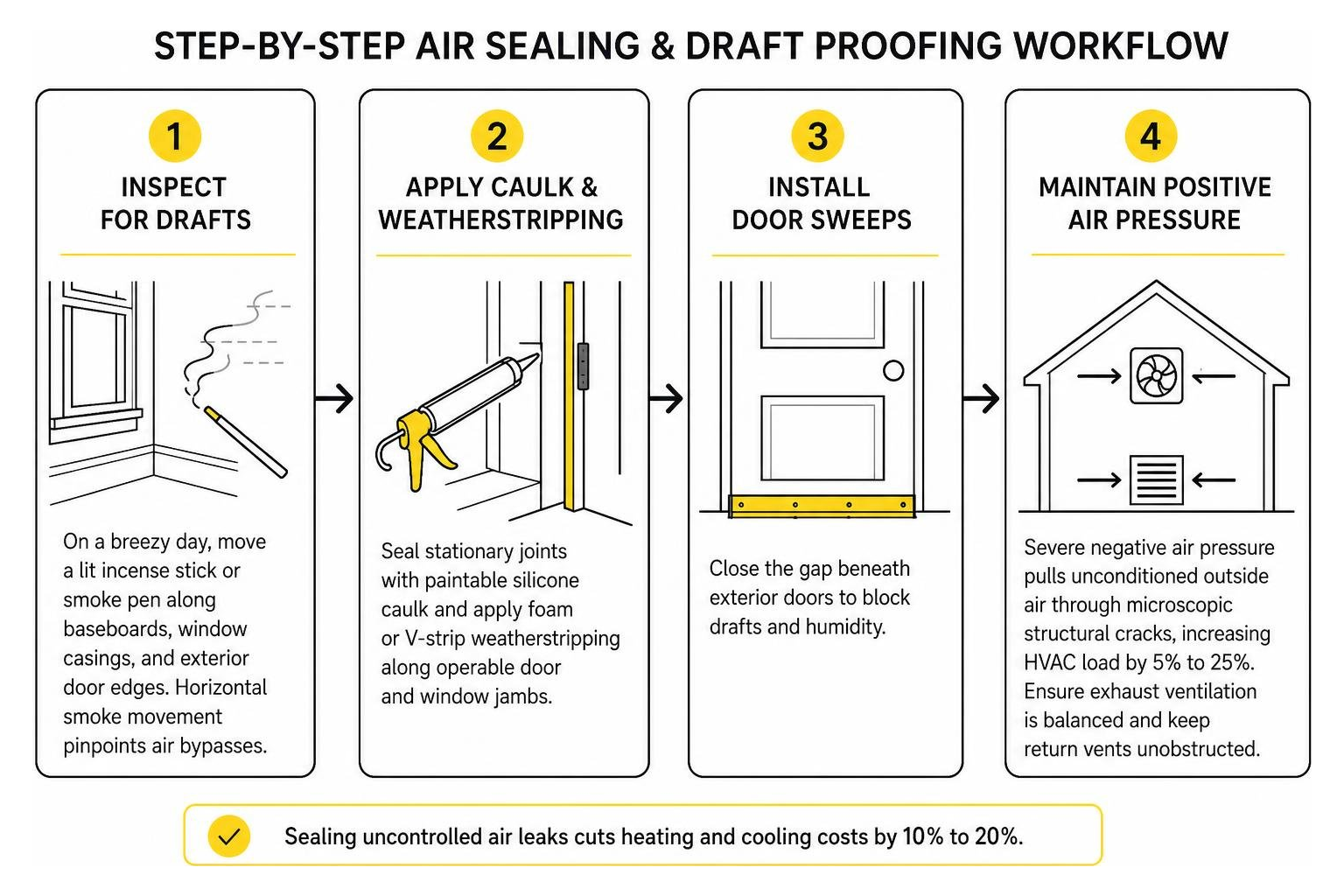
- Inspect for drafts: On a breezy day, move a lit incense stick or smoke pen along baseboards, window casings, and exterior door edges. Horizontal smoke movement pinpoints air bypasses.
- Apply caulk and weatherstripping: Seal stationary joints with paintable silicone caulk and apply foam or V-strip weatherstripping along operable door and window jambs.
- Install door sweeps: Close the gap beneath exterior doors to block drafts and humidity.
- Maintain positive air pressure: Severe negative air pressure pulls unconditioned outside air through microscopic structural cracks, increasing HVAC load by 5% to 25%. Ensure exhaust ventilation is balanced and keep return vents unobstructed.
How to Lower Your Utility Bill as a Renter Without Structural Upgrades
Renters often feel stuck because they cannot install high-efficiency heat pumps or blow insulation into attics. However, tenant-friendly adjustments deliver strong savings without jeopardizing a security deposit:
- Towel draft stoppers: Roll up a heavy bath towel or use a non-damaging slide-on fabric stopper at the foot of drafty exterior doors.
- Foam outlet gaskets: Unscrew exterior wall switch and outlet plates, insert pre-cut foam insulating gaskets, and screw the plates back on.
- Removable window film: Apply temporary shrink-wrap window insulation during winter months to create an insulating air buffer against drafty single-pane glass.
- Dehumidifier support: In humid summer weather, running a small portable dehumidifier makes 76°F feel like 72°F, allowing you to raise the AC setpoint without sacrificing comfort.
- LED retrofits: Swap landlord-provided incandescent bulbs for LED bulbs, store the original bulbs in a closet, and swap them back when moving out.
Optimizing Water Heating, Lighting, and Major Appliances
Water heating is the second-largest energy expense in most homes, accounting for roughly 18% to 19% of utility costs. Together with lighting and refrigeration, these systems offer direct targets for efficiency upgrades.

An informative AOL report on cooling costs highlights that practical adjustments to major home appliances allow families to preserve comfort while eliminating unneeded waste.
Water Heating Efficiency and Low-Flow Upgrades
Most residential water heaters leave the factory set to 140°F. This default wastes energy through standby heat loss and poses a scalding risk.
- Dial down to 120°F: Lowering your water heater thermostat to 120°F saves 3% to 5% in water-heating energy costs for every 10°F reduction (yielding 6% to 10% total savings).
- Wrap older tanks: If your water heater tank feels warm to the touch (indicating an insulation rating below R-24), installing an R-10 fiberglass insulating blanket saves $40 to $80 per year by cutting standby heat loss by 25% to 45%.
- Insulate exposed hot water pipes: Adding foam pipe sleeves to the first 6 feet of hot water pipes leaving the tank raises delivered water temperature by 2°F to 4°F.
- Install low-flow showerheads: Standard showerheads flow at 2.5 gallons per minute (GPM). Upgrading to a 1.5 to 1.75 GPM WaterSense fixture reduces hot water consumption by 30% to 40% without compromising water pressure.
LED Lighting and Smart Home Controls
Lighting accounts for roughly 5% to 10% of household electricity use. Replacing incandescent bulbs with ENERGY STAR-certified LEDs reduces lighting electricity demand by 75%. Because LEDs emit minimal heat compared to incandescent filaments, they also reduce air conditioning loads in the summer.
Upgrading 20 frequently used light fixtures to LEDs saves roughly $200 per year and provides bulbs that last up to 25 times longer. Pairing LED fixtures with smart plugs, dimmers, and motion sensors ensures lights run only when rooms are occupied.
Kitchen and Laundry Energy Management
Large kitchen and laundry units draw substantial power, but regular maintenance keeps them operating at peak efficiency:
- Clean refrigerator coils: Dust and pet hair insulate condenser coils, forcing the compressor to run longer. Vacuuming coils every six months improves efficiency and extends compressor life.
- Test refrigerator seals: Close the door on a dollar bill. If the bill pulls out easily with no resistance, the rubber gasket is worn and leaking cool air. Set refrigerators to 37°–40°F and freezers to 0°–5°F.
- Clear dryer lint traps and ducts: Clean the lint filter after every load and inspect the exterior exhaust duct annually. Clogged vents increase drying cycle duration by 20% to 30%.
- Use countertop cooking appliances: For small-to-medium meals, toaster ovens, air fryers, and microwaves consume up to 70% less energy than heating a full-size conventional electric oven, while keeping the kitchen cooler.
Navigating Rate Plans, Energy Audits, and Financial Assistance
In East Tennessee communities—from Johnson City and Kingsport down to Maryville and Oak Ridge—homeowners work with municipal utilities and local electric cooperatives tied to regional generation. Managing billing options and taking advantage of utility programs can lower your annual costs.
Utility Billing Structures and Off-Peak Optimization
Understanding how your local utility bills electricity is essential:
- Time-of-Use (TOU) Rates: TOU rate structures charge different prices for electricity depending on grid demand. Peak hours typically occur during hot summer afternoons (2 PM – 7 PM) and cold winter mornings (6 AM – 9 AM). Shifting energy-heavy tasks—like running dishwashers, doing laundry, or charging electric vehicles—to off-peak hours cuts costs under TOU plans.
- Budget Billing: Budget billing averages your annual utility expenses over 12 months, smoothing out seasonal heating and cooling spikes into predictable monthly payments followed by an annual reconciliation.
Professional Energy Audits
A professional home energy audit uses diagnostic tools like blower door tests and infrared thermography to identify hidden air bypasses, missing insulation, and duct leakage. Implementing auditor recommendations can save 5% to 30% on annual utility bills. Many local utilities offer free or subsidized energy evaluations along with rebate incentives for qualifying weatherization improvements.
Financial Assistance Programs
If you or someone in your community is facing utility payment hardship, federal and local safety nets are available:
- LIHEAP (Low-Income Home Energy Assistance Program): A federally funded program administered locally to help qualifying households manage home heating and cooling expenses.
- Weatherization Assistance Program (WAP): Provides free energy efficiency retrofits (insulation, air sealing, heating system repairs) to eligible low-income families.
- Utility Payment Arrangements: Most local power boards provide deferred payment agreements, hardship relief funds, and emergency assistance programs when contacted directly.
Understanding local rate patterns is also helpful when evaluating long-term energy options, as detailed in the impact of solar energy on utility bills in alcoa a comparative analysis.
Long-Term Energy Independence with Clean Power Solutions
Every behavioral tweak, weatherization seal, and appliance calibration works together to lower your baseline energy consumption. However, as regional utility prices continue their upward trend, relying exclusively on grid power leaves household budgets vulnerable to future rate increases.
Once your home operates efficiently, on-site clean energy generation provides the ultimate defense against rising utility bills. Installing a residential rooftop solar system allows you to generate your own clean power, dramatically reducing or eliminating grid electricity purchases.
When paired with modern battery storage systems and home backup generators, homeowners gain energy independence, protect their families against grid outages, and capture savings through peak-demand management.
For homeowners exploring renewable solutions, discovering how unlocking your homes potential how solar energy can save you money provides a clear framework for reducing lifetime energy overhead. Conversely, evaluating why skipping solar panels could be costing you highlights the long-term compounding cost of staying entirely dependent on standard utility grid power.
Frequently Asked Questions About Lowering Utility Bills
How much money does a home energy audit actually save?
A professional home energy audit typically uncovers efficiency gaps that, once addressed, reduce utility bills by 5% to 30%. Diagnostic blower door tests and thermal imaging cameras pinpoint exact air leaks and insulation deficits in attics, wall cavities, and ductwork. Many improvements identified during an audit qualify for local utility rebates and federal energy tax credits, accelerating the return on investment.
What simple trick cuts electric bills the fastest?
The fastest no-cost way to lower your electric bill is adjusting your thermostat by 7° to 10°F for eight hours daily (during sleep or while away from home), which delivers an immediate up to 10% reduction in heating and cooling costs. Combining thermostat setbacks with cold-water laundry and smart power strips to cut standby phantom loads will show measurable savings on your next monthly bill.
What is the difference between budget billing and time-of-use rates?
Budget billing is a payment plan that averages your expected annual energy costs across 12 equal monthly installments to eliminate seasonal bill spikes, backed by an annual true-up adjustment. Time-of-Use (TOU) rates, by contrast, adjust the actual price you pay per kilowatt-hour based on the time of day and grid demand. Budget billing changes how you pay for power, while TOU plans reward you for when you consume power.
Conclusion
Lowering your monthly utility bill does not require sacrificing comfort or living in the dark. By focusing on your home’s primary energy drains—optimizing HVAC runtime, lowering water heater temperatures, eliminating vampire power draws, and air-sealing draft points—you can reduce your household utility expenses by 15% to 25%.
Every efficiency improvement you make lowers your monthly overhead and sets the stage for clean energy independence. At Your Home Solar, we help homeowners across East Tennessee—from Knoxville and Farragut to Morristown, Powell, and surrounding counties—achieve lasting comfort, reliability, and financial freedom through tailored solar, battery storage, and backup generator systems.
Take control of your home’s energy future today and explore how you can save on electricity bills without living in the dark.