Why Clean Energy Solutions Matter for Your Home and Our Planet
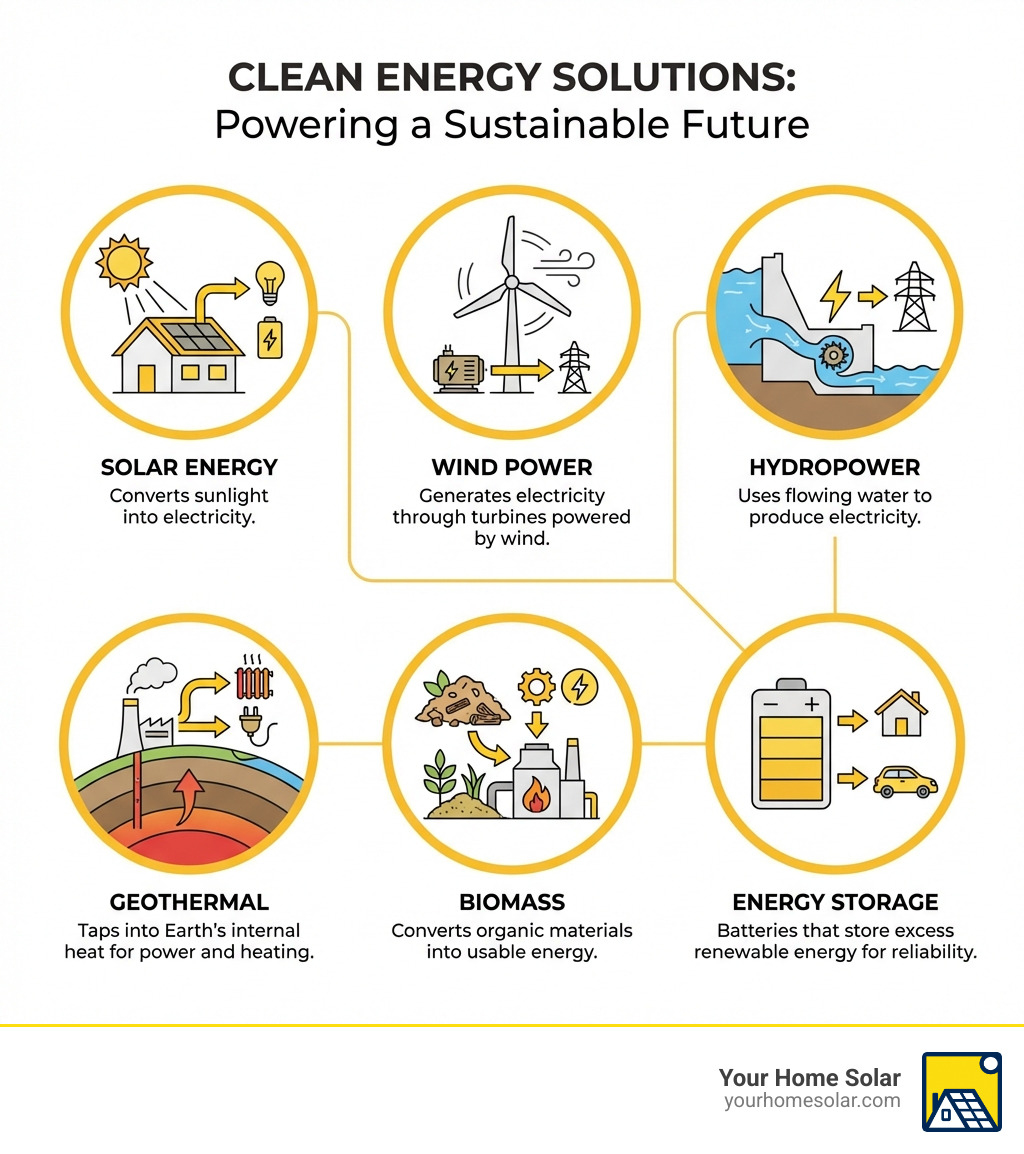
Clean energy solutions are power sources that produce little to no greenhouse gas emissions or air pollutants. Common types include:
- Solar Energy: Converts sunlight into electricity.
- Wind Power: Generates electricity from wind.
- Hydropower: Uses flowing water to produce power.
- Geothermal: Taps into the Earth’s internal heat.
- Biomass: Converts organic materials into energy.
- Energy Storage: Stores excess renewable energy for later use.
For decades, our reliance on fossil fuels has created major problems for East Tennessee homeowners: rising utility bills, frequent power outages, and environmental concerns. The good news is that clean energy technology has advanced dramatically. Solar panels are more efficient, and battery systems can store power for outages or nighttime use. The economics have also shifted in favor of homeowners, with federal tax credits covering 30% of installation costs and systems often paying for themselves in 8-12 years through utility savings.
In just one hour, the sun provides more energy than the world consumes in a year. By 2050, nearly 90% of global electricity is projected to come from renewable sources, with solar and wind leading the way.
I’m Ernie Bussell, founder and CEO of Your Home Solar. I’ve spent years helping East Tennessee families transition to clean energy through transparent education and reliable in-house installation. My goal is to show you how solar can protect your family from outages, reduce your monthly expenses, and contribute to a cleaner environment.
Using Nature: The Primary Types of Clean Energy
Clean energy solutions harness natural processes to generate power with minimal environmental impact. Unlike fossil fuels, these sources are often renewable and produce few to no air pollutants. While many types exist, they all aim to power our world more responsibly. For a comprehensive overview, you can explore various Types of Clean Energy Solutions.
How Solar Energy Works
Solar energy is the most recognized clean energy solution, and for good reason—the sun is a powerful and abundant resource. East Tennessee’s ample sunshine makes solar a fantastic option for homeowners seeking energy independence.
Solar energy works through two primary mechanisms:
- Photovoltaic (PV) Cells: Found in rooftop solar panels, PV cells directly convert sunlight into electricity. When particles of light (photons) strike the semiconductor material, they create an electric current that can power your home. The efficiency of these cells is measured by the amount of solar radiation at your location (kWh/m2/day). To learn more, see our How Solar Panels Work: A Comprehensive Guide.
- Solar Thermal: Less common for homes, these systems use the sun’s heat to warm water or air, such as for solar water heaters.
PV technology’s scalability makes it adaptable for everything from a few panels on a Knoxville roof to large commercial solar farms, reducing our reliance on the grid.
How Wind and Hydropower Work
Beyond the sun, wind and water are also powerful clean energy solutions.
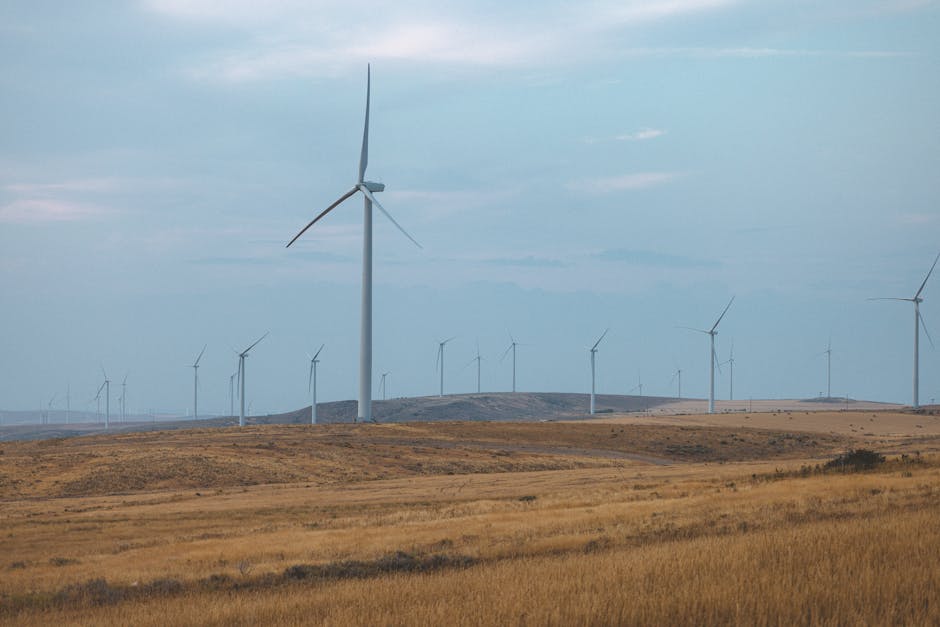
- Wind Energy: Wind turbines capture the kinetic energy of moving air. Their large blades spin a generator to produce electricity. While large wind farms are common, smaller turbines can also provide power in suitable locations. For more on the basics, see the EPA’s guide on Renewable Energy Technology Basics.
- Hydropower: As one of the oldest renewable sources, hydropower uses the force of flowing water from a river or reservoir to spin a turbine and generate electricity. It also offers benefits like water storage and flood control.
Other Key Energy Sources
Several other innovative clean energy solutions contribute to a diverse energy portfolio:
- Geothermal Energy: This source taps into the Earth’s internal heat. Geothermal heat pumps (GHPs) are a practical application for homes, using the ground’s stable temperature to efficiently heat and cool a building. The DOE Geothermal Technologies Office has more information.
- Biomass Energy: Bioenergy is generated from organic materials like wood, crops, or waste. Modern methods convert these materials into electricity, heat, or fuel more cleanly and efficiently than traditional combustion.
- Ocean and Hydrogen Energy: Emerging technologies are using the power of the ocean through Wave energy and tidal energy. Additionally, “green hydrogen”—produced using renewable electricity—is a promising clean fuel for transportation, industry, and energy storage.
The Case for Change: Benefits and Challenges of Clean Energy
The transition to clean energy solutions is an imperative for our planet and our pocketbooks. For homeowners across East Tennessee, these technologies offer a path to a more secure and sustainable future.
Environmental and Economic Advantages
The benefits of clean energy are vast, impacting everything from the air we breathe to the local economy.
- Environmental Protection: Clean energy sources produce little to no greenhouse gas emissions, reducing our collective carbon footprint and improving air quality by not releasing harmful pollutants.
- Sustainable and Independent Supply: Unlike finite fossil fuels, sources like solar and wind are continuously replenished. This creates a reliable, long-term energy supply and lessens dependence on volatile global energy markets.
- Economic Growth: The clean energy sector creates local jobs in manufacturing, installation, and maintenance, fostering sustainable growth in East Tennessee.
- Cost Savings: While there is an initial investment, clean energy solutions lead to substantial long-term savings. Solar can dramatically reduce or eliminate electricity bills, and with incentives like the federal tax credit, systems often pay for themselves within 8-12 years. Our article, Save Money and the Planet with Solar Energy Systems for Homes, details these advantages.
Significant Challenges to Large-Scale Adoption
Despite the benefits, widespread adoption of clean energy solutions faces problems.
- High Initial Costs: The upfront investment for systems like solar panels can be a barrier, though long-term savings and incentives help offset this.
- Intermittency: Solar and wind are variable sources, which poses challenges for a consistent power supply. This is where energy storage becomes critical.
- Grid Modernization: Integrating large amounts of renewable energy requires significant upgrades to our existing electrical grid to handle two-way power flow and ensure stability.
- Land Use: Large-scale solar or wind farms require significant land, though residential solar minimizes this by using existing roof space.
- Other Problems: Additional challenges include regulatory barriers, supply chain issues for materials like lithium and polysilicon, and the need for greater public awareness and political will.
The Future is Bright: Innovations and Global Trends in Clean Energy Solutions
The journey toward a clean energy future is driven by relentless innovation and a global commitment to net-zero emissions, making clean energy solutions more efficient, affordable, and accessible than ever.
The Role of Technological Innovation
Continuous technological improvement is the engine of the clean energy revolution.
- PV Efficiency: Solar cell technology is constantly evolving. While crystalline silicon is the current standard, next-generation cells like N-type offer greater power output and durability. Research and development efforts, highlighted by the IEA’s work on Advancements in Solar Photovoltaic Technology, are pushing these more efficient technologies to market.
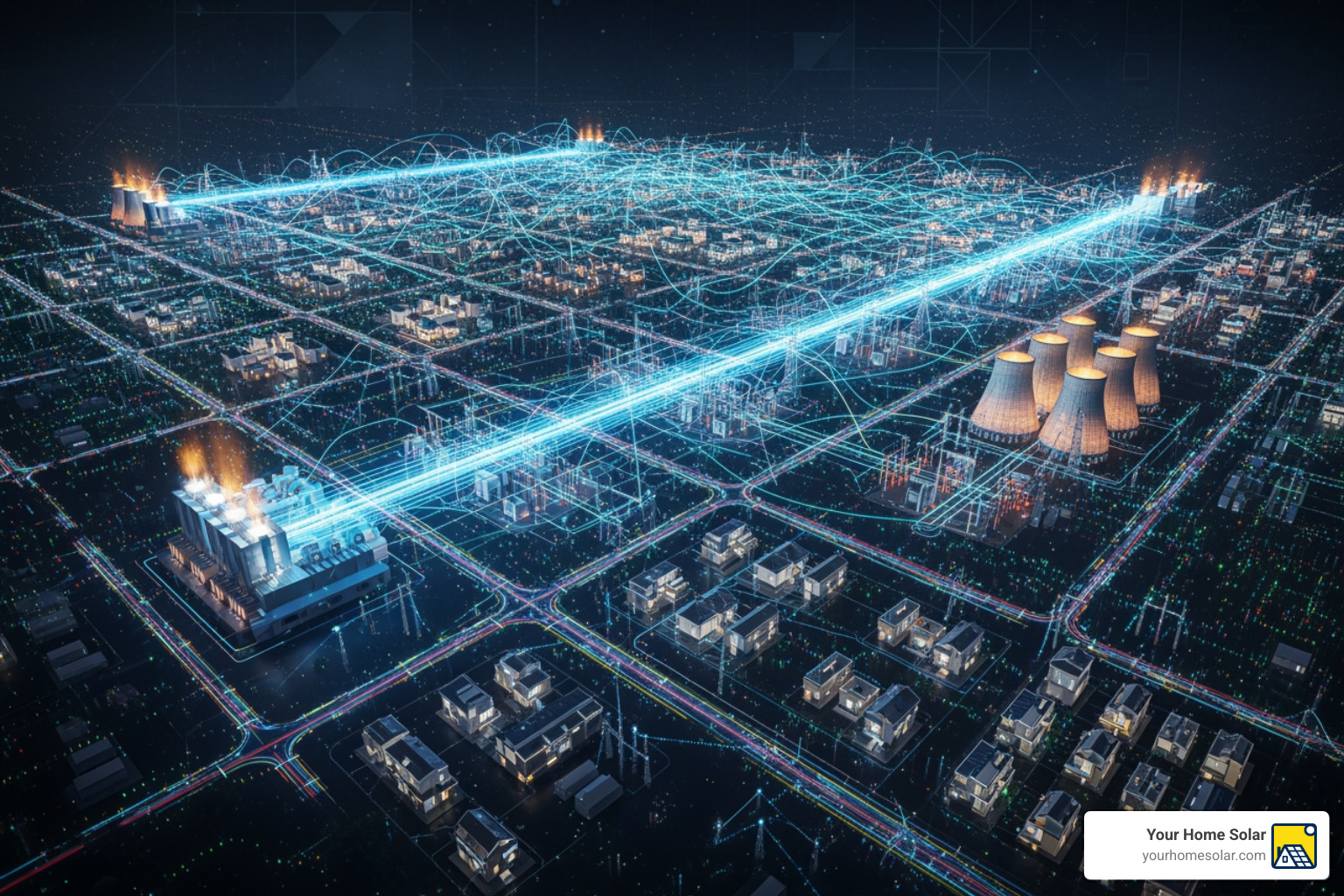
- Smart Grids: These advanced electricity networks use digital technology to manage energy delivery in real-time. They enable the efficient integration of renewables, reduce losses, and improve reliability.
- AI and Data Analytics: Artificial intelligence is revolutionizing the energy sector by forecasting renewable output, managing battery storage, and predicting grid issues before they cause outages.
- Energy Efficiency: Simply using less energy is a powerful clean energy solution. Innovations in insulation, smart home devices, and efficient appliances reduce overall demand on power generation.
The Critical Role of Energy Storage
For intermittent sources like solar and wind, energy storage is essential for reliability. Think of it as a battery for your home or the grid.
- Battery Technology: Advancements in lithium-ion batteries have been a game-changer. They store surplus renewable energy for use when generation is low (like at night), overcoming the intermittency challenge.
- Grid Reliability and Backup: Energy storage systems (ESS) improve grid stability and provide immediate backup power during outages. An ESS captures excess solar energy from your panels, allowing you to use your own clean power later.
- Peak Demand Management: Storage can provide power during peak demand, reducing the need for expensive and often dirty “peaker plants.”
For East Tennessee homeowners, battery solutions like those from Generac, Sol-Ark, and HomeGrid mean true energy independence and peace of mind. Our Ultimate Guide to Solar Batteries and Energy Storage Solutions provides a deep dive.
Global Trends and Government Policies
The global shift to clean energy is accelerating, driven by net-zero goals and supportive policies, as outlined in the IEA’s Net Zero Roadmap: A Global Pathway to Keep the 1.5 °C Goal in Reach.
- Solar and EV Growth: Solar PV is the fastest-growing energy technology, projected to be the world’s largest energy source by 2050. Similarly, electric vehicle (EV) adoption is soaring, with projections showing EVs making up over 65% of car sales by 2030.
- Government Incentives: Policies like the Residential Clean Energy Credit, which offers a 30% tax credit, are crucial for making the switch affordable for homeowners. See what’s available in our Solar Incentives Tennessee 2026 Guide.
- National Targets: Ambitious national commitments, like India’s goal for 50% non-fossil fuel energy capacity by 2030, are driving global investment and innovation in clean energy.
Taking Action: How You Can Accept Clean Energy
The shift towards clean energy solutions isn’t just about global trends or government policies; it’s about individual choices and local actions. Here in East Tennessee, from Knoxville to Johnson City, we believe every homeowner and business can play a vital role in building a brighter, more sustainable future.
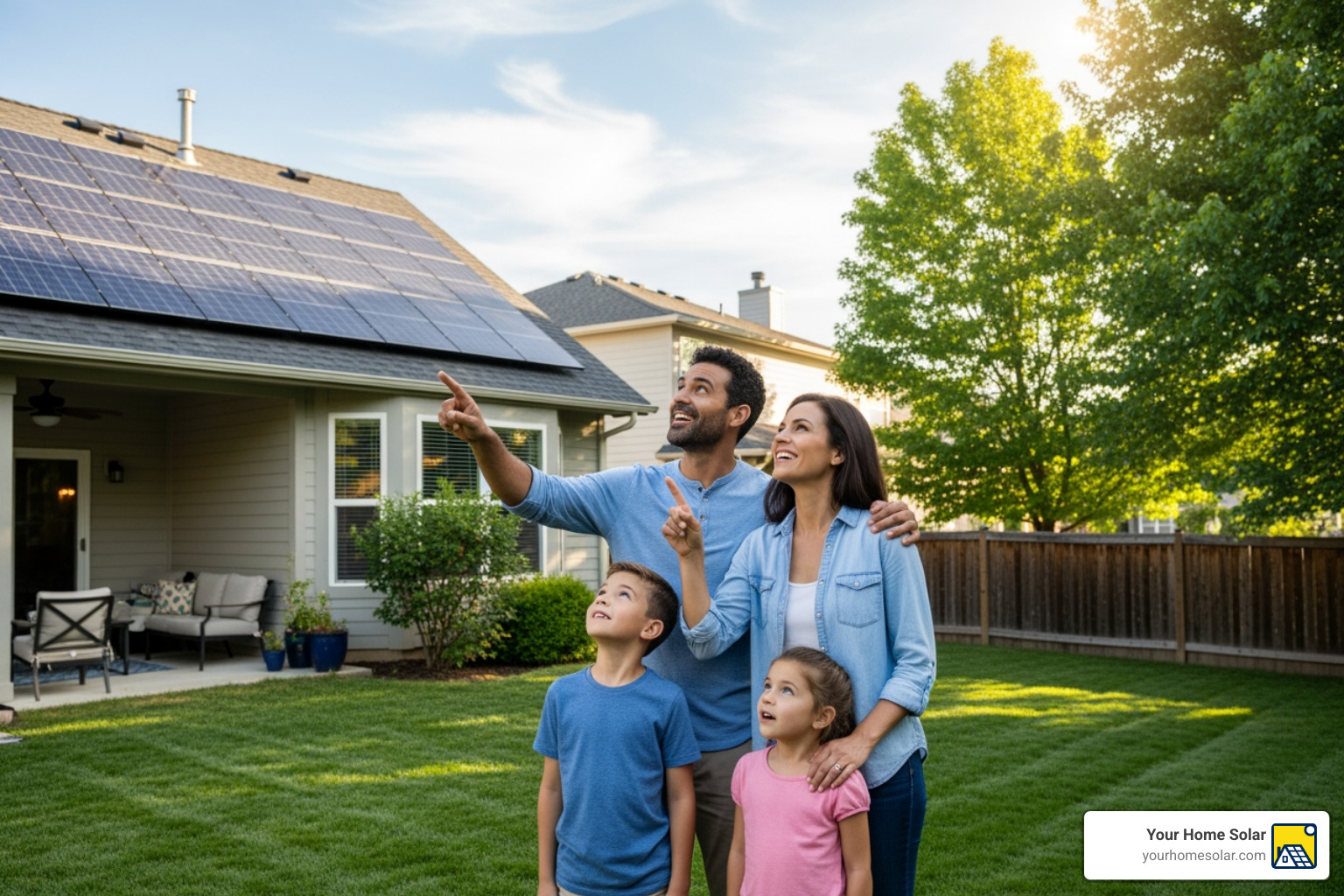
The Benefits of Residential Clean Energy Solutions
For homeowners, embracing clean energy, especially solar, offers a compelling array of benefits that go far beyond environmental impact.
- Energy Independence: Imagine generating your own electricity right on your roof. With residential solar, you become less reliant on the utility company, gaining control over your energy supply. This means more resilience during outages and greater peace of mind.
- Lower Utility Bills: This is often the primary driver for homeowners. By generating your own power, you can significantly reduce or even eliminate your monthly electricity bills. Over the lifespan of your system, these savings can be substantial, making solar a smart financial investment.
- Increased Property Value: Homes equipped with solar panels often see an increase in property value. Studies consistently show that buyers are willing to pay more for homes with existing solar installations, recognizing the long-term savings and environmental benefits. Learn more in our article on How Solar Panels for Homes Can Increase Your Property Value.
- Emergency Power Backup: Paired with a battery storage system, solar panels can provide crucial backup power during grid outages. This is especially valuable in areas prone to severe weather, ensuring your lights stay on, your food stays cold, and your essential appliances continue to run. We explore this further in Why Solar Panels for Homes Are the Best Choices for Emergency Power Backup.
- Support for Sustainable Transportation: For those with electric vehicles, residential solar can power your EV charger directly from the sun, further reducing your carbon footprint and fuel costs. We also offer Smart EV Charger Installation in Knoxville.
- Green Living: Beyond the tangible benefits, there’s the satisfaction of knowing you’re contributing to a healthier planet. Our guide to Green Living in Knoxville: How Solar Panels Can Transform Your Lifestyle shows how solar fits into a sustainable lifestyle.
Key Considerations for Your Clean Energy Solutions
Choosing the right clean energy solutions for your home is a significant decision. As your trusted experts in East Tennessee, we’re here to guide you through every step. Here are some crucial considerations to ensure you make the best choice:
- Home Readiness: Is your roof suitable for solar? We’ll assess its age, condition, and structural integrity. Solar panels typically come with 20-year warranties, so we want to ensure your roof is ready for the long haul. If your roof needs repair, the entire system would need to come down. Alternatively, if your roof isn’t ideal, we can explore ground-mount systems on your property.
- Energy Usage Analysis: Understanding your historical electricity consumption is paramount. We’ll ask for your total kilowatt-hours for the past 12 months from your local utility provider to accurately size a system that meets your needs and maximizes your savings.
- Choosing a Provider: This is perhaps the most critical step. Look for a company with proven expertise, transparency, and a strong local presence. Always ask about certifications like NABCEP (North American Board of Certified Energy Practitioners) for installation professionals. NABCEP certification indicates specialized skills and experience beyond a basic electrical license. Local companies, like ours, are often more invested in community reputation and provide quicker response times for maintenance. Our 10 Crucial Considerations Before Going Solar in Oak Ridge, TN offers more detailed advice.
- System Type: Will you opt for a grid-tied, off-grid, or hybrid system? This depends on your goals for energy independence and backup power.
| System Type | Description | Benefits |
|---|---|---|
| Grid-Tied | Your solar system is connected to the utility grid. You draw power when needed and can send excess power back to the grid, often for credit (net metering). | Lower Initial Cost: No expensive battery banks needed. Simplicity: Easiest system to install and maintain. Net Metering: Earn credits for excess energy, further reducing bills. |
| Off-Grid | Your home is completely disconnected from the utility grid, generating and storing 100% of its own power. Requires a larger system and careful energy management. | Complete Energy Independence: No reliance on the utility company. No Utility Bills: Eliminates your electricity bill. Immunity to Grid Outages: Unaffected by power outages. |
| Hybrid (Grid-Tied with Battery Backup) | A grid-tied system that also includes a battery bank for energy storage. It combines the benefits of both grid-tied and off-grid systems. | Energy Security: Provides backup power during outages. Maximized Self-Consumption: Use more of your own solar power. Peak Shaving: Use stored energy to avoid high-cost peak rates. Flexibility: The best of both worlds. |
Conclusion
The journey toward a future powered by clean energy solutions is not just an environmental necessity; it’s an economic opportunity and a path to greater energy security for homes and businesses across East Tennessee. We’ve explored the diverse types of clean energy, from the abundant sunshine captured by solar panels to the kinetic force of wind and water, and the thermal power deep within the Earth.
We’ve also seen the profound benefits: a healthier environment, cleaner air, economic growth, and the empowering independence that comes from generating your own power. While challenges like initial costs and intermittency exist, continuous technological innovation in areas like PV efficiency, smart grids, and especially energy storage, is rapidly overcoming these problems. Global trends and supportive government policies are accelerating this transition, making it an undeniable force for progress.
The future is bright, and it’s powered by clean energy. Taking the first step towards adopting these solutions for your home or business is simpler than you might think. We at Your Home Solar are proud to offer trusted expertise and 100% customer satisfaction, providing custom, reliable, and rewarding installations right here in East Tennessee. We’re here to help you understand your options, steer incentives, and design a system that meets your unique needs, ensuring a brighter, more sustainable tomorrow for you and your family.
Ready to explore your clean energy options? Learn About Solar in East Tennessee with us today.