When the Grid Goes Down, a Battery Generator Backup Keeps You Running
A battery generator backup is one of the smartest investments an East Tennessee homeowner can make. Storms roll through the Smokies. The grid goes down. And suddenly, your fridge, lights, and medical devices are on the clock.
Here is a quick answer to what you need to know:
| Question | Quick Answer |
|---|---|
| What is it? | A rechargeable battery system that powers your home when the grid fails |
| How does it work? | Stores energy from solar or the grid, then delivers it during outages |
| Best battery type? | LiFePO4 for long life and safety; lithium-ion for lower upfront cost |
| Typical capacity range? | 74Wh (portable) to 90kWh+ (whole-home systems) |
| How is it recharged? | Solar panels, wall outlet, or a combination of both |
| Price range? | Under $200 for small units to $10,000+ for whole-home systems |
Unlike a gas generator, a battery backup runs silently, produces zero emissions, and requires no fuel runs at midnight. You can use it indoors, pair it with solar panels, and in many cases, it switches on automatically before you even notice the power is out.
This article walks you through the top options, key specs, and what actually matters when choosing the right system for your home.
I’m Ernie Bussell, founder of Your Home Solar and East Tennessee’s go-to expert for solar and battery generator backup solutions, with hands-on experience helping hundreds of local homeowners achieve real energy independence. My background spans the U.S. Navy, education, and over a decade in the solar industry — and I’ll cut through the noise to help you find the right fit.

Simple guide to battery generator backup terms:
Understanding the Battery Generator Backup
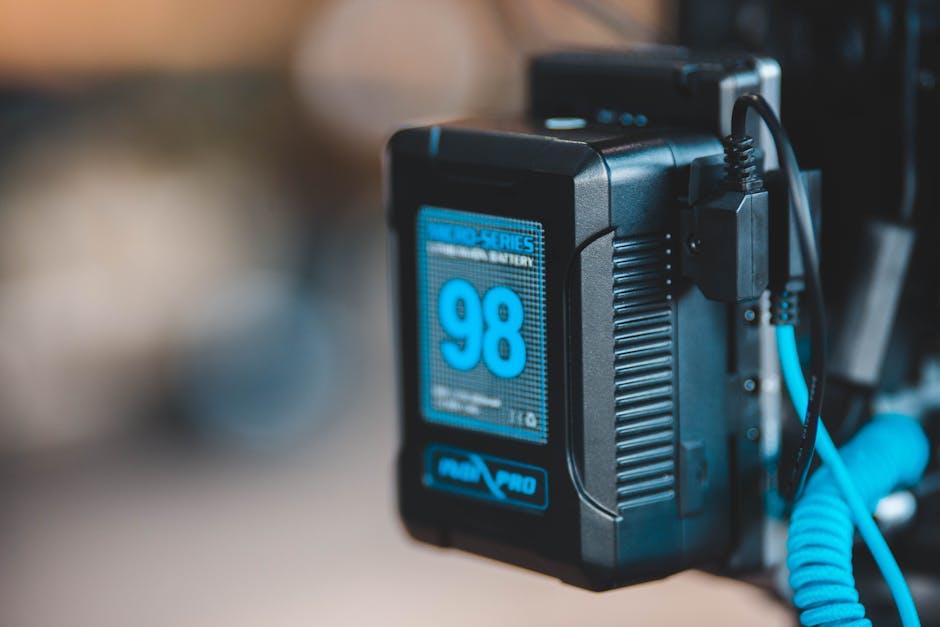
When we talk about a battery generator backup, we aren’t talking about the noisy, pull-start engines that sit in your driveway leaking oil. Instead, think of this as a high-tech energy reservoir. Whether it’s a portable power station for a camping trip in the Smokies or a massive whole-home system bolted to your garage wall, the core technology remains the same: energy storage paired with smart electronics.

At its heart, a battery generator backup consists of three main components: the battery cells (where the energy lives), a Battery Management System (BMS) that keeps things safe, and an inverter. The inverter is the “brain” that translates the stored DC power into the AC power your house uses. For residents in Knoxville or Maryville looking for a seamless experience, we often recommend a Professional HomeGrid Installation in East Tennessee because these systems are designed to handle the heavy lifting of a modern household without breaking a sweat.
How a Battery Generator Backup Functions
The magic happens through a process of AC/DC conversion. When the sun is shining on your solar panels or the grid is active, the system pulls in electricity and converts it to DC to fill up the battery. When a storm knocks out a transformer in Sevierville, the system reverses the flow. It pulls that stored DC power, converts it back to AC, and sends it to your lights and appliances.
In a grid-tied system, this happens almost instantly. High-end units feature a transfer time of less than 10ms. To put that in perspective, that is faster than a human can blink. Your desktop computer won’t even reboot, and your digital clocks won’t even blink “12:00.” This creates a “buffer” between you and the utility company, which is a key part of understanding Solar Energy and The Grid.
Advantages of Pure Sine Wave Output
If you’ve ever plugged a sensitive fan into a cheap portable generator and heard it “hum” or “buzz,” you’ve experienced “dirty” power. Standard gas generators often produce a modified sine wave, which can be hard on modern electronics.
A quality battery generator backup uses a pure sine wave inverter. This ensures Total Harmonic Distortion (THD) is kept below 5%, providing “clean” energy that is identical to (or even better than) what comes out of your wall outlet. This is crucial for:
- Sensitive Electronics: Laptops, CPAP machines, and high-end TVs.
- Appliance Longevity: Refrigerators and microwaves run cooler and last longer.
- Medical Safety: Ensuring life-saving equipment functions without interference.
Essential Specifications and Battery Types
Navigating the sea of specs can feel like reading a foreign language. To choose the right battery generator backup, you need to focus on four main numbers:
- Watt-hours (Wh): This is your “gas tank.” It tells you how much total energy the battery holds.
- Continuous Wattage: This is how much power the system can put out at once (e.g., running your fridge and TV together).
- Peak Surge Capacity: This handles the “kick” needed to start motors in AC units or sump pumps.
- USB-C PD Output: For portable units, this ensures you can fast-charge laptops directly without using a bulky wall plug.
When comparing technologies, it’s helpful to consult The Ultimate Guide to Solar Batteries and Energy Storage Solutions to see how these specs translate into real-world performance.
Comparing Battery Types for Your Battery Generator Backup
Not all batteries are created equal. In the modern market, you’ll mostly encounter two flavors of lithium:
- Lithium-ion (NMC): These are lightweight and energy-dense. They are great for portable units you might carry on a hike. However, they typically last about 500 to 800 charge cycles before their capacity starts to drop.
- LiFePO4 (Lithium Iron Phosphate): This is the gold standard for home backup. While a bit heavier, they are incredibly stable and boast a cycle life of 3,000 to 6,000+ cycles. That means you could use it every single day for 10 years and still have 80% of your original capacity. (Learn more about Lithium Iron Phosphate technology).
For a deeper dive into the chemistry, check out our guide on Everything You Need to Know About Residential Solar Battery Types: What’s Best? to see why we prefer LiFePO4 for our East Tennessee installations.
Determining Appropriate Size and Capacity
How do you figure out what you need? Start with a load calculation.
- Small (200Wh – 1kWh): Good for phones, laptops, and a few LED lights.
- Medium (2kWh – 5kWh): Can run a full-size refrigerator for a day or two along with some fans and electronics.
- Large (10kWh – 20kWh+): These are whole-home systems. They can back up essential circuits like your well pump, HVAC, and kitchen for multiple days.
The beauty of modern systems is scalability. Many of the units we install allow you to start with one battery module and add more later as your budget or power needs grow.
Use Cases for Reliable Energy Storage
Living in East Tennessee means dealing with unpredictable weather. From ice storms in Johnson City to summer thunderstorms in Knoxville, having a battery generator backup changes the “vibe” of an outage from a crisis to a minor inconvenience.
Home Emergencies and Disaster Resilience
When the grid fails, the first thing people worry about is the food in the freezer. A well-sized battery system can keep a modern refrigerator running for days. Beyond the fridge, these systems provide critical support for medical equipment. For our neighbors in Sweetwater, we’ve seen how preparedness can save lives—read more about that in Solar Power and Resilience: Illuminating Sweetwater’s Preparedness for Power Outages.
Building a resilient home isn’t just about your own comfort; it’s about community strength. When you aren’t reliant on the struggling grid, there is more power available for emergency services. Learn more about The Role of Solar Energy in Disaster Resilience: Building Stronger Communities.
Off-Grid Living and Outdoor Travel
Not everyone wants to stay tied to the city. We see a lot of folks moving toward Off-Grid Living in the Smoky Mountains: Embracing Solar Independence. For these residents, a battery generator backup isn’t just for emergencies; it’s their primary power source.
Whether you are integrating a system into an RV for weekend trips to Gatlinburg or powering a remote cabin in Morgan County, the silence of a battery system allows you to enjoy the sounds of nature rather than the roar of a gas engine.
Professional Installation and Maintenance
While small portable units are “plug and play,” a system meant to power your home requires a professional touch. This involves installing a transfer switch or a smart electrical panel that prevents “backfeeding” into the grid (which is dangerous for utility workers).
At Your Home Solar, we handle the heavy lifting. From pulling permits in Knox County to ensuring every wire meets local safety codes, we make sure your system is reliable. If you’re considering a hybrid approach, you might also look at Generac Generator Installation in Knoxville for those who want the ultimate “belt and suspenders” setup.
Recharging Methods and Typical Charging Times
A battery generator backup is only as good as your ability to refill it. You have three main options:
- Solar Panels: The most sustainable way. Depending on the wattage of your array, you can often recharge a medium-sized battery in 3 to 6 hours of peak sun.
- AC Wall Charging: The fastest way. Most systems can hit 80% charge in under 2 hours when plugged into a standard outlet.
- Dual-Fuel Integration: Some homeowners choose to have a small gas generator as a “last resort” to charge the batteries during a week-long winter storm when the sun isn’t out.
For a comparison of how these methods stack up against old-school tech, see Comparing Solar with Traditional Gas Generators for East Tennessee Homes.
Cost Factors and Price Ranges
Price is influenced by capacity, brand, and installation complexity.
- Entry-level: $200 – $1,000 (Portable, non-installed).
- Mid-range: $3,000 – $7,000 (Partial home backup, installed).
- Premium: $10,000 – $25,000+ (Whole-home, high-capacity systems).
Don’t let the “sticker shock” get to you. Between the 30% Federal Tax Credit and the long-term ROI of avoiding spoiled food and hotel stays during outages, these systems often pay for themselves over their 10-15 year lifespan.
Frequently Asked Questions about Battery Backups
How long will a battery generator last during a power outage?
It depends entirely on your “load.” If you are just running a few LED lights and charging phones, a 10kWh battery could last for days. If you are running a central AC unit and an electric clothes dryer, that same battery might be empty in two hours. Energy conservation is key—turning off non-essential appliances can double your runtime.
Can a battery backup power my entire house?
Yes, but it requires a high-capacity system. Units like the Sol-Ark or Tesla Powerwall are designed for this. When we evaluate When a Sol-Ark Home Solar System Makes Sense for East Tennessee Residents, we look at your peak demand to ensure the inverter can handle the “surge” of your largest appliances.
What is the lifespan of a modern battery generator?
Modern LiFePO4 systems are typically rated for 10 years of daily use. Most manufacturers offer a 10-year warranty to match. Even after 10 years, the battery doesn’t “die”—it just holds slightly less charge than it did on day one.
Conclusion
At Your Home Solar, we believe that every resident from Oak Ridge to Kingsport deserves the peace of mind that comes with a reliable battery generator backup. We aren’t just selling equipment; we are building energy independence for our neighbors across East Tennessee.
Whether you’re looking for a simple portable unit or a massive whole-home system integrated with solar, we have the expertise to get it done right the first time. Ready to take control of your power? Dive into The Ultimate Guide to Solar Batteries and Energy Storage Solutions and let’s start planning your setup today.