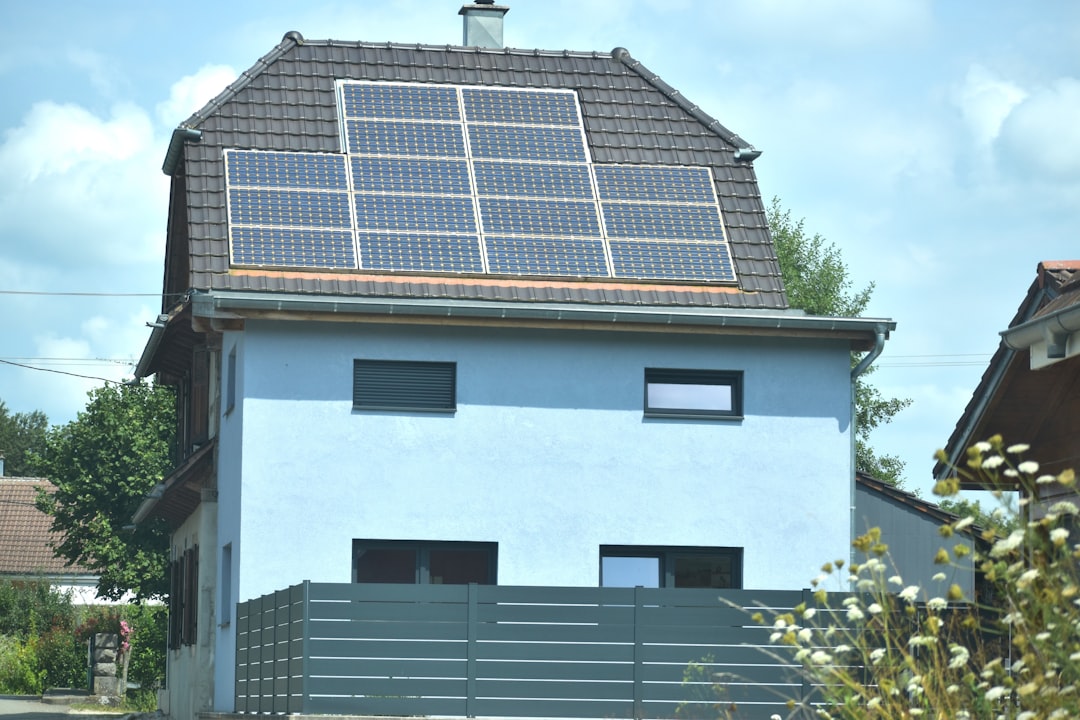
Why Residential Solar Panel Design Matters for East Tennessee Homeowners
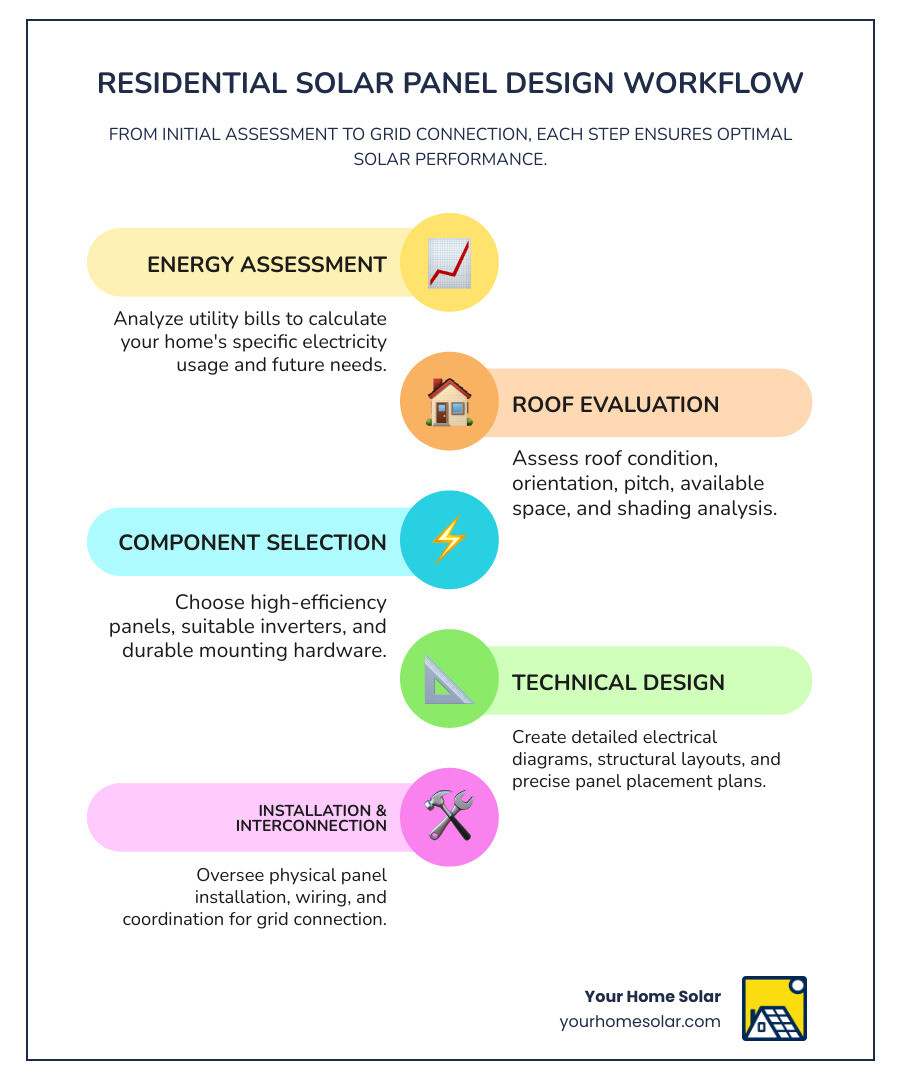
Residential solar panel design is the process of planning a solar energy system custom to your home’s specific needs, roof characteristics, and energy goals. It involves assessing your energy use, evaluating your roof, selecting components, creating technical plans, and coordinating with your utility company.
Over 115,000 homes requested solar estimates in August 2022 alone, yet many homeowners don’t realize that proper design is what separates a mediocre solar system from one that maximizes your investment. A well-designed system accounts for East Tennessee’s specific weather patterns, your roof’s unique characteristics, and your household’s energy usage to deliver optimal performance for 25-30 years.
The difference between a system that barely covers your needs and one that eliminates your electric bill often comes down to decisions made during the design phase—before a single panel ever touches your roof.
Poor design means lost savings. If your array is undersized, you’ll still have high utility bills. If it’s oversized, you’ve wasted money. If shading isn’t properly assessed, your panels might produce 40% less electricity. And if the wrong inverter is chosen, you could lose thousands in potential energy production over the system’s lifetime.
The good news? With the right information, you can understand what makes a residential solar panel design effective—and make confident decisions about your home’s energy future.
I’m Ernie Bussell, CEO and founder of Your Home Solar, and I’ve spent years helping East Tennessee homeowners design and install solar systems that deliver on their promises. This guide will walk you through the entire process, from initial assessment to final grid connection.
The Foundation: Key Considerations Before You Design
Before we even think about placing panels, we need to understand your home and its environment. This initial assessment is the bedrock of effective residential solar panel design. It’s where we gather crucial information that will influence every subsequent decision, ensuring your system is perfectly custom for your East Tennessee property.
Key Factors in Residential Solar Panel Design
When designing a solar PV system for your home, several factors come into play. Think of it like tailoring a suit—it needs to fit perfectly to look and perform its best.
1. Annual Electricity Usage (kWh): This is where we start. Your past electricity bills are a goldmine of information, showing us your average monthly and annual kilowatt-hour (kWh) consumption. This data helps us determine how much electricity your solar system needs to generate to meet your goals, whether that’s reducing your bill by a certain percentage or achieving net-zero energy consumption. We’ll look at seasonal variations in your usage to ensure the system is adequately sized year-round.
2. Roof Condition and Age: A solar array is built to last 25-30 years, with reputable manufacturers offering production warranties for at least 25 years. It’s vital that your roof is in good shape to match that longevity. For asphalt shingle roofs, we typically recommend that the roof be no more than 5 to 10 years old. If your roof is older or in poor condition, we’ll advise on necessary repairs or replacement before installation. This avoids the costly process of removing and reinstalling panels just to fix a leaky roof down the line. We want your roof to be as durable as your solar panels! You can read more about this in our guide, Will Putting a Solar System on My Roof Damage It? Expert Advice for East Tennessee Homeowners.
3. Roof Material: Different roof materials require different mounting solutions. Whether you have asphalt shingles, metal (standing seam, corrugated, or shingle), or even cedar shake, there’s a racking system designed to securely attach panels without compromising your roof’s integrity. We ensure the mounting hardware is compatible and installed correctly for your specific roof type.
4. Roof Orientation (Azimuth) and Pitch: For optimal energy generation in East Tennessee, a south-facing roof (180º azimuth) is generally ideal. This orientation allows panels to capture the maximum amount of sunlight throughout the day. However, East and West-facing panels are also applicable and can still produce significant energy—approximately 80% of what south-facing panels would. Many homes are built with a 4:12 pitch, or 18-degree tilt, which is actually great for solar energy generation. We’ll evaluate your roof’s specific pitch and orientation to maximize your system’s output.
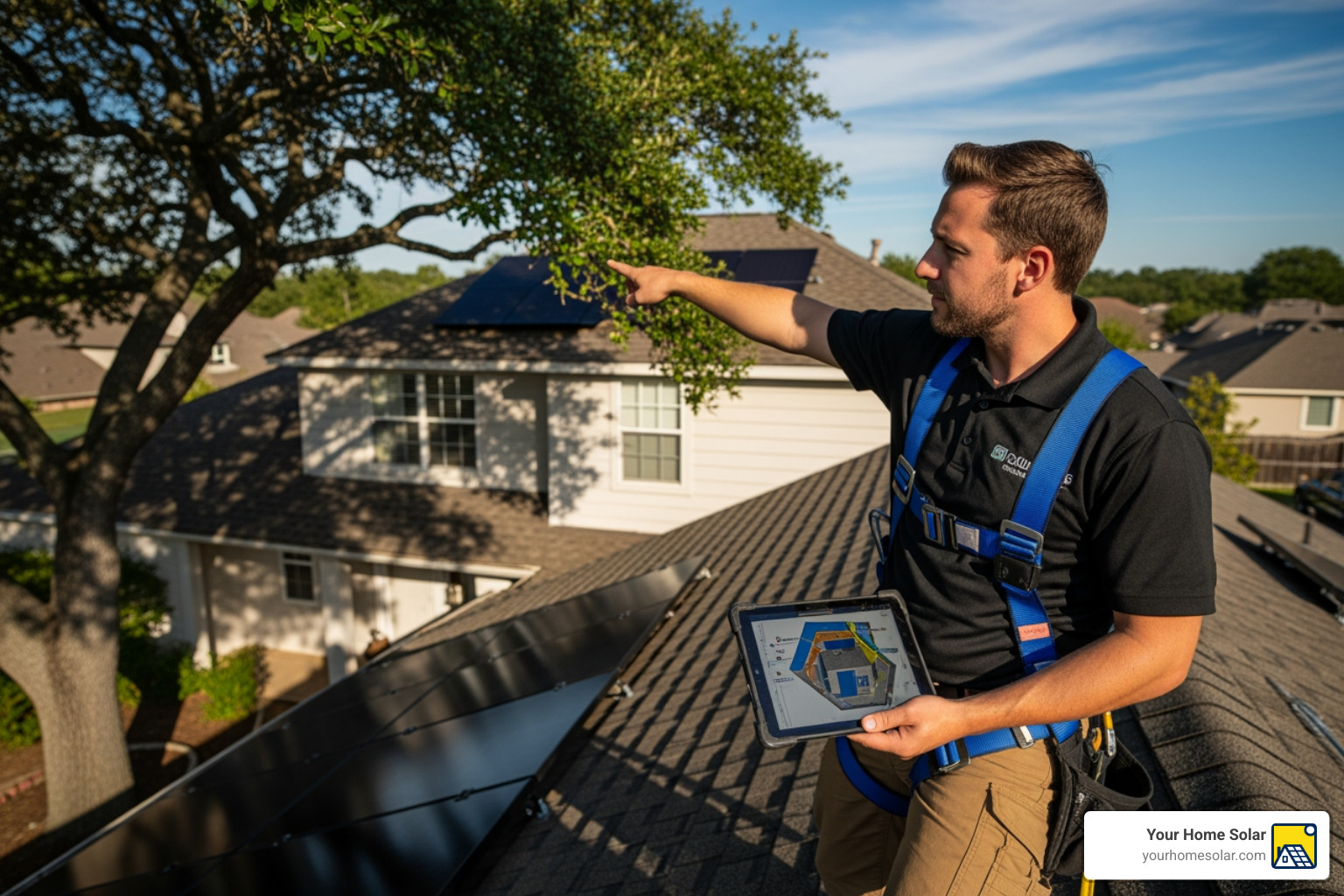
5. Shading Analysis: Obstacles like trees, chimneys, or neighboring buildings can cast shadows on your roof, significantly reducing panel efficiency. We conduct a thorough shading analysis using specialized tools to identify any potential issues. If shade is unavoidable, we design the system to mitigate its impact, often by selecting specific inverter technologies (which we’ll discuss later) that perform better in shaded conditions.
Navigating Local Regulations and Incentives
Understanding the regulatory landscape and available incentives is a critical part of residential solar panel design in East Tennessee. It can impact everything from what permits you need to how much your system ultimately costs.
1. Permitting Process: Installing solar panels requires permits from your local municipality or county. This ensures your system meets safety and building codes. We handle all the necessary paperwork, submitting detailed plans that include equipment data sheets, roof drawings, and electrical diagrams to streamline the approval process.
2. Homeowner Associations (HOA): If your home is part of an HOA, there might be specific guidelines or restrictions regarding solar panel installations. Many states have “solar access laws” that protect a homeowner’s right to install solar, but it’s always wise to understand your HOA’s rules early on. We can help you steer these to ensure compliance.
3. Utility Company Requirements: Interconnecting your solar system to the grid means working with your local utility provider. Each utility in East Tennessee may have specific requirements for interconnection agreements, safety standards, and net metering policies. We coordinate with them to ensure a smooth and compliant connection.
4. Federal Tax Credits & State/Local Incentives: The federal solar investment tax credit (ITC) is a significant incentive, offering a percentage of your system’s cost as a tax credit. Additionally, East Tennessee homeowners may have access to various state and local rebates or programs. These incentives can dramatically reduce the upfront cost of your system and shorten your break-even point. We encourage you to check resources like the DSIRE (Database of State Incentives) website and our own Solar Incentives Tennessee 2026 Guide for the most up-to-date information.
Sizing Your System & Choosing the Right Components
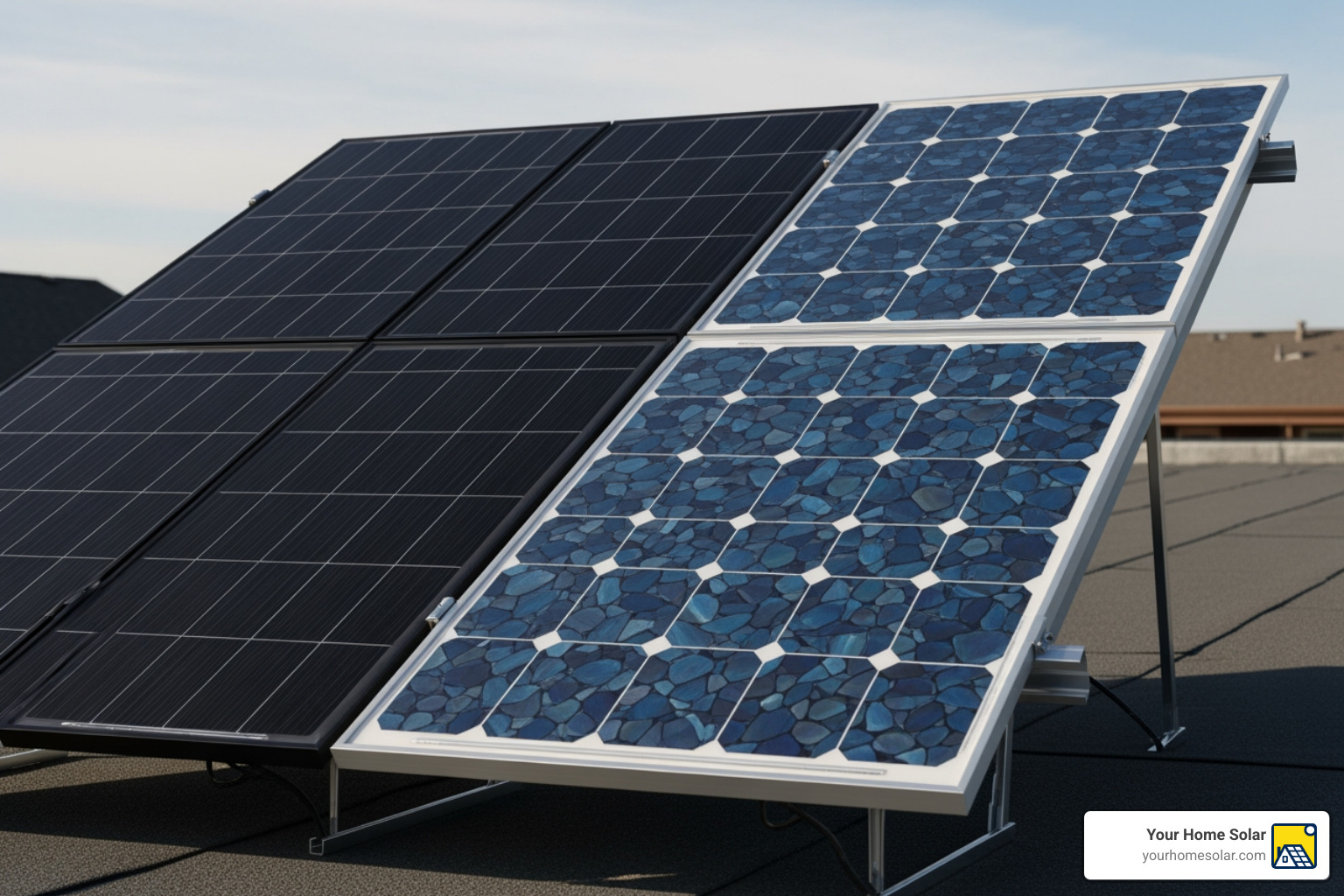
Once we have a clear picture of your home’s energy needs and site conditions, the next step in residential solar panel design is to determine the ideal system size and select the appropriate components. This is where the numbers start to come alive, and we match technology to your specific requirements.
How to Determine the Right System Size
Sizing your solar system isn’t just about putting as many panels as possible on your roof. It’s a precise calculation aimed at meeting your energy goals efficiently and economically.
1. Matching Energy Consumption: As we discussed, your annual kWh usage is key. If you consume 10,000 kWh per year, we’ll design a system that can generate approximately that much, accounting for seasonal variations and potential future increases in energy demand (like adding an EV charger or upgrading appliances).
2. Available Roof Space: This is a physical constraint. A standard solar panel takes up about twenty square feet. If you’re aiming for a 10 kW system, you would typically need room for about 40 panels, totaling around 800 square feet of usable roof space. We use tools like Google Earth to estimate your roof’s dimensions and orientation to determine how many panels can fit.
3. Budget Constraints: We work with you to find a system size that aligns with your financial goals. Sometimes, a slightly smaller system that offsets 80% of your usage might make more financial sense than a 100% offset, especially if roof space is limited or if a significant electrical upgrade is required for a larger system.
4. Future Energy Needs: Are you planning to buy an electric vehicle, install a heat pump, or add a hot tub? These additions will increase your electricity consumption. We factor these potential future needs into your residential solar panel design to ensure your system can grow with you.
5. Using the PV Watts Calculator: For a preliminary estimate of your system’s potential, the PV Watts calculator from the National Renewable Energy Laboratory (NREL) is a fantastic tool. You can input your location, system size, and tilt, and it will estimate your annual energy production. However, for precise calculations, we rely on more detailed site assessments and professional software. Our guide on Properly Sizing a Solar System for Your East Tennessee Home: Expert Tips offers even more insights.
Inverter Options for Your Home
Inverters are the brains of your solar system, converting the direct current (DC) electricity produced by your panels into the alternating current (AC) electricity your home appliances use. The choice of inverter technology is a crucial aspect of residential solar panel design.
| Inverter Type | Description | Pros | Cons “` The purpose of this document is to ensure that I am taking into a lot of detail before the final output. The document itself may contain a lot of detail that the final output may not contain.
The Foundation: Key Considerations Before You Design
Before we even think about placing panels, we need to understand your home and its environment. This initial assessment is the bedrock of effective residential solar panel design. It’s where we gather crucial information that will influence every subsequent decision, ensuring your system is perfectly custom for your East Tennessee property.
Key Factors in Residential Solar Panel Design
When designing a solar PV system for your home, several factors come into play. Think of it like tailoring a suit—it needs to fit perfectly to look and perform its best.
1. Annual Electricity Usage (kWh): We start by analyzing your past electricity bills to understand your average monthly and annual kilowatt-hour (kWh) consumption. This data helps us determine how much electricity your solar system needs to generate to meet your goals, whether that’s reducing your bill or achieving net-zero energy consumption.
2. Roof Condition and Age: A solar array is built to last 25-30 years, so it’s vital that your roof is in good shape to match that longevity. For asphalt shingle roofs, we recommend the roof be no more than 5 to 10 years old. If your roof is older, we’ll advise on necessary repairs or replacement before installation. This avoids the costly process of removing and reinstalling panels to fix a leaky roof later. You can read more in our guide, Will Putting a Solar System on My Roof Damage It? Expert Advice for East Tennessee Homeowners.
3. Roof Material: Different roof materials require different mounting solutions. Whether you have asphalt shingles, metal, or cedar shake, there’s a racking system designed to securely attach panels without compromising your roof’s integrity. We ensure the mounting hardware is compatible and installed correctly.
4. Roof Orientation (Azimuth) and Pitch: For optimal energy generation in East Tennessee, a south-facing roof (180º azimuth) is ideal. However, East and West-facing panels can still produce significant energy—about 80% of what south-facing panels would. We’ll evaluate your roof’s specific pitch and orientation to maximize your system’s output.
5. Shading Analysis: Obstacles like trees or chimneys can cast shadows on your roof, reducing panel efficiency. We conduct a thorough shading analysis to identify potential issues and design the system to mitigate its impact, often by selecting specific inverter technologies.
Navigating Local Regulations and Incentives
Understanding the regulatory landscape and available incentives is a critical part of residential solar panel design in East Tennessee.
1. Permitting Process: Installing solar panels requires permits from your local municipality or county. We handle all the necessary paperwork, submitting detailed plans to streamline the approval process.
2. Homeowner Associations (HOA): If your home is part of an HOA, there might be specific guidelines for solar panel installations. We can help you steer these rules to ensure compliance.
3. Utility Company Requirements: Interconnecting your solar system to the grid means working with your local utility provider. Each has specific requirements for interconnection agreements and net metering policies, and we coordinate with them to ensure a smooth connection.
4. Federal Tax Credits & State/Local Incentives: The federal solar investment tax credit (ITC) is a significant incentive. Additionally, East Tennessee homeowners may have access to various state and local rebates. These incentives can dramatically reduce the upfront cost of your system. We encourage you to check resources like the DSIRE (Database of State Incentives) website and our own Solar Incentives Tennessee 2026 Guide for the most up-to-date information.
Sizing Your System & Choosing the Right Components
Once we have a clear picture of your home’s energy needs and site conditions, the next step in residential solar panel design is to determine the ideal system size and select the appropriate components. This is where we match technology to your specific requirements.
How to Determine the Right System Size
Sizing your solar system is a precise calculation aimed at meeting your energy goals efficiently and economically.
1. Matching Energy Consumption: Your annual kWh usage is key. If you consume 10,000 kWh per year, we’ll design a system to generate approximately that much, accounting for seasonal variations and potential future needs (like adding an EV charger).
2. Available Roof Space: A standard solar panel takes up about twenty square feet. A 10 kW system, for example, would typically need room for about 40 panels, totaling around 800 square feet of usable roof space. We use tools like Google Earth to estimate your roof’s dimensions.
3. Budget Constraints: We work with you to find a system size that aligns with your financial goals. A smaller system that offsets 80% of your usage might make more financial sense than a 100% offset, especially if roof space is limited.
4. Future Energy Needs: Planning to buy an electric vehicle or install a heat pump? These additions will increase your electricity consumption. We factor these potential future needs into your residential solar panel design to ensure your system can grow with you.
5. Using the PV Watts Calculator: For a preliminary estimate, the PV Watts calculator from the National Renewable Energy Laboratory (NREL) is a fantastic tool. You can input your location and system size to estimate annual energy production. However, for precise calculations, we rely on detailed site assessments and professional software. Our guide on Properly Sizing a Solar System for Your East Tennessee Home: Expert Tips offers more insights.
Inverter Options for Your Home
Inverters are the brains of your solar system, converting the direct current (DC) electricity from your panels into the alternating current (AC) your home uses. The choice of inverter technology is a crucial aspect of residential solar panel design.
| Inverter Type | Description | Pros | Cons – | – | – | – | | String Inverters | A single inverter connects all solar panels in a series. It’s a cost-effective solution for roofs with minimal shading and a consistent orientation. – | Pros: Lower upfront cost, simple design. – | Cons: A single shaded panel can reduce the output of the entire string. Less flexible for complex roof layouts. – | | Microinverters | Each solar panel has its own small inverter attached to the back. This allows each panel to operate independently. – | Pros: Maximizes energy production, especially on roofs with shading or multiple orientations. Offers panel-level monitoring. – | Cons: Higher initial cost compared to string inverters. – | | Power Optimizers | A hybrid solution that combines a central string inverter with optimizers attached to each panel. Optimizers condition the DC power before sending it to the inverter. | Pros: Offers panel-level optimization like microinverters but at a slightly lower cost. Mitigates the effects of shading. – | Cons: More complex installation than a standard string inverter system. – |
The best choice depends on your roof’s layout, shading, and budget. We’ll help you understand the trade-offs and select the right technology for your home. Learn more in The Ultimate Guide to Solar Inverters.
Sizing Your System & Choosing the Right Components
Once we have a clear picture of your home’s energy needs and site conditions, the next step in residential solar panel design is to determine the ideal system size and select the appropriate components. This is where the numbers start to come alive, and we match technology to your specific requirements.
How to Determine the Right System Size
Sizing your solar system isn’t just about putting as many panels as possible on your roof. It’s a precise calculation aimed at meeting your energy goals efficiently and economically.
1. Matching Energy Consumption: As we discussed, your annual kWh usage is key. If you consume 10,000 kWh per year, we’ll design a system that can generate approximately that much, accounting for seasonal variations and potential future increases in energy demand (like adding an EV charger or upgrading appliances).
2. Available Roof Space: This is a physical constraint. A standard solar panel takes up about twenty square feet. If you’re aiming for a 10 kW system, you would typically need room for about 40 panels, totaling around 800 square feet of usable roof space. We use tools like Google Earth to estimate your roof’s dimensions and orientation to determine how many panels can fit.
3. Budget Constraints: We work with you to find a system size that aligns with your financial goals. Sometimes, a slightly smaller system that offsets 80% of your usage might make more financial sense than a 100% offset, especially if roof space is limited or if a significant electrical upgrade is required for a larger system.
4. Future Energy Needs: Are you planning to buy an electric vehicle, install a heat pump, or add a hot tub? These additions will increase your electricity consumption. We factor these potential future needs into your residential solar panel design to ensure your system can grow with you.
5. Using the PV Watts Calculator: For a preliminary estimate of your system’s potential, the PV Watts calculator from the National Renewable Energy Laboratory (NREL) is a fantastic tool. You can input your location, system size, and tilt, and it will estimate your annual energy production. However, for precise calculations, we rely on more detailed site assessments and professional software. Our guide on Properly Sizing a Solar System for Your East Tennessee Home: Expert Tips offers even more insights.
Inverter Options for Your Home
Inverters are the brains of your solar system, converting the direct current (DC) electricity produced by your panels into the alternating current (AC) electricity your home appliances use. The choice of inverter technology is a crucial aspect of residential solar panel design.
| Inverter Type | Description “`