Understanding What You’ll Actually Pay for Solar
The average cost of solar panels per kilowatt is one of the first things homeowners want to know when considering solar energy. Here’s the quick answer for East Tennessee homeowners:
Quick Cost Overview:
- National Average: $2.74 – $3.30 per watt ($2,740 – $3,300 per kilowatt)
- 5 kW System Total: $13,700 – $16,500 before incentives
- 8 kW System Total: $21,900 – $26,400 before incentives
- 10 kW System Total: $27,400 – $33,000 before incentives
- After Federal Tax Credit (30%): Reduce these costs by approximately one-third
Understanding solar costs means looking beyond sticker prices. Location, roof characteristics, equipment selection, and local incentive programs all play a role in your final investment.
For East Tennessee homeowners worried about power outages and rising energy bills, solar represents more than just panels on a roof. It’s about energy independence, protection during storms, and long-term savings that compound year after year.
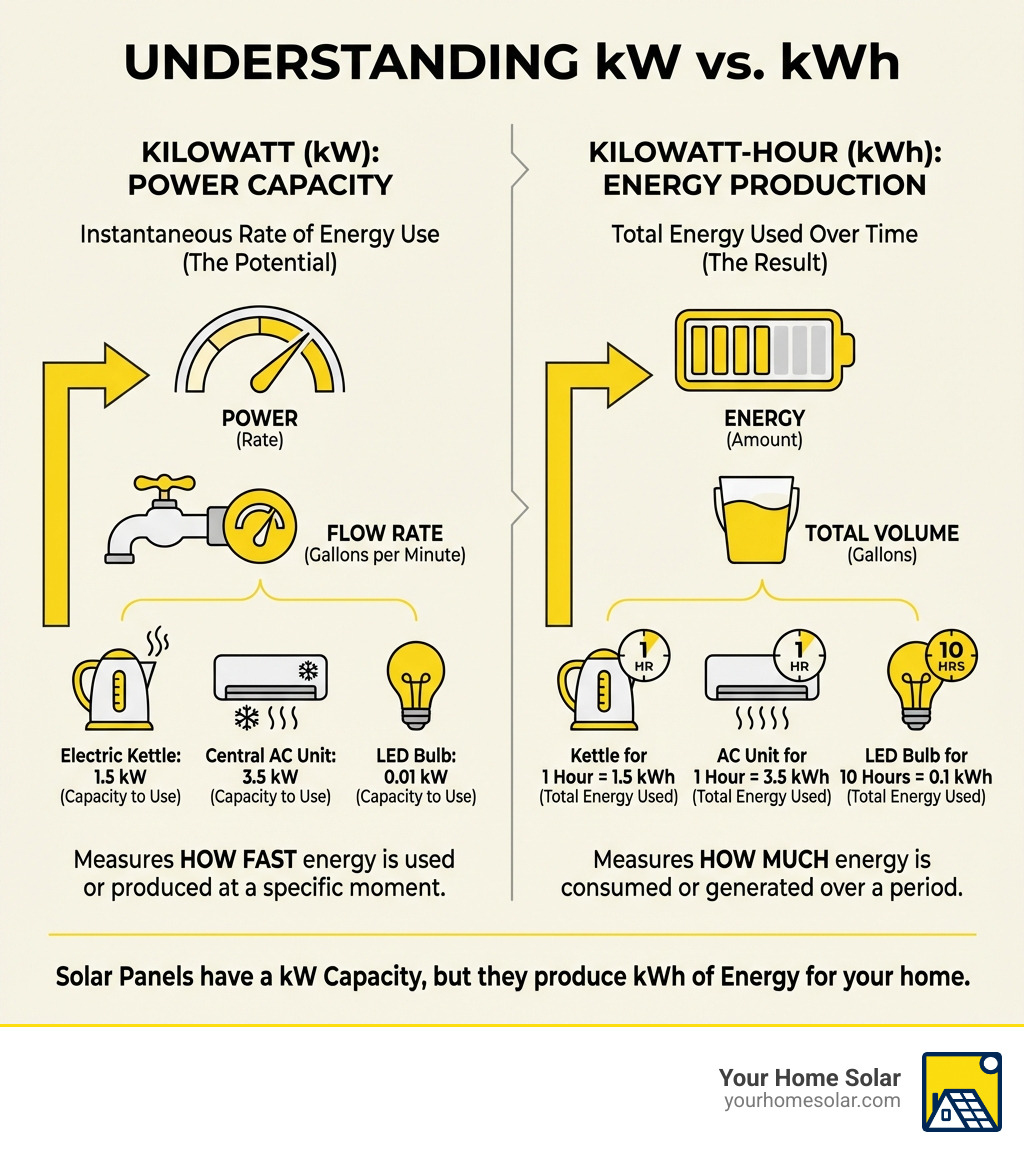
The solar industry uses specific terminology that can feel confusing at first. A kilowatt (kW) measures your system’s power output capacity, while a kilowatt-hour (kWh) measures the actual energy your system produces over time. When you see costs quoted “per kilowatt,” that’s referring to your system’s size and generating capacity.
I’m Ernie Bussell, founder and CEO of Your Home Solar. After years leading solar installations, I founded Your Home Solar to bring transparent pricing and honest education to our local community. I’ve helped hundreds of East Tennessee families find solutions that fit their energy needs and budget.
What is the Average Cost of Solar Panels per Kilowatt in the U.S.?
When we talk about the average cost of solar panels per kilowatt, we’re looking at the big picture across the United States, then narrowing it down to what that means for our neighbors here in East Tennessee. According to studies by the U.S. Department of Energy, the all-in cost of a home solar panel system typically falls between $2.74 to $3.30 per watt. This translates directly to $2,740 to $3,300 per kilowatt (kW) before any incentives or rebates are applied.
This “all-in” cost isn’t just for the shiny panels you see on the roof. It encompasses a wide range of expenses, from the physical components (hardware costs) to the labor and administrative work involved (soft costs), installation labor, and even the necessary permitting fees to ensure your system is safe and compliant. We believe in full transparency, which is why we break down these costs for you. The U.S. Department of Energy’s Solar Photovoltaic System Cost Benchmarks provide a deeper dive into how these figures are calculated.
Understanding Hardware vs. Soft Costs
To truly grasp the average cost of solar panels per kilowatt, we need to differentiate between hardware and soft costs. Think of it like building a house: you have the materials (hardware) and then everything else that makes the project happen (soft costs).
Hardware components include:
- Solar panels: These are the stars of the show, capturing sunlight and converting it into electricity.
- Inverters: Crucial devices that convert the direct current (DC) electricity from your panels into alternating current (AC) electricity that your home appliances use.
- Racking and mounting equipment: The framework that securely attaches your panels to your roof or ground.
- Wiring and electrical components: All the necessary cables, conduits, and safety devices that connect your system.
On the other side, soft costs are the non-hardware expenses that make up a significant portion of your total investment. These often include:
- Labor costs: The skilled electricians, roofers, and solar technicians who design, install, and connect your system.
- Customer acquisition: The marketing and sales efforts involved in reaching homeowners like you.
- Overhead: Business expenses such as office space, insurance, and administrative staff.
- Permitting and inspection: The fees and processes required by local authorities (like those in Knoxville, Maryville, or Johnson City) to ensure your installation meets all safety and building codes. For more information on these often-overlooked expenses, the U.S. Department of Energy’s Solar Soft Costs Basics offers valuable insights.
While hardware costs have steadily decreased over the years due to technological advancements, soft costs remain a critical factor. That’s why choosing a local, efficient installer like Your Home Solar can make a real difference in your overall average cost of solar panels per kilowatt.
Example Costs for Common Residential System Sizes
Let’s put these numbers into perspective for typical East Tennessee homes. Based on the national average of $2.74 – $3.30 per watt, here’s what you might expect for common residential system sizes before any incentives:
- For a 5 kW system: This size is a good starting point for smaller homes or those with lower energy consumption. The total estimated cost would range from $13,700 to $16,500.
- For an 8 kW system: This is often considered an average-sized residential solar system, suitable for many family homes in our region. The total estimated cost for an 8 kW system would be between $21,900 and $26,400. This is a widely cited figure in the industry for a typical installation.
- For a 10 kW system: Larger homes or those with higher energy needs, perhaps running EV chargers or multiple HVAC units, might opt for a 10 kW system. The total estimated cost for this size would be approximately $27,400 to $33,000.
It’s crucial to remember these are upfront costs before considering the substantial federal tax credit and any local programs. Our goal at Your Home Solar is to help you determine the perfect system size to offset your energy consumption efficiently. For expert guidance on finding the right fit for your home, check out our guide on Properly Sizing a Solar System for Your East Tennessee Home: Expert Tips.
Key Factors That Influence Your Solar Cost Per Kilowatt
Understanding the average cost of solar panels per kilowatt is just the beginning. Several key factors can significantly influence the final price tag for your unique East Tennessee home.
These factors include:
- Panel technology: Different types of solar panels come with varying efficiencies and price points.
- Geographic location: Even within East Tennessee (from Knoxville to Johnson City, Maryville to Oak Ridge), local regulations and labor rates can have a slight impact.
- System size: Larger systems often benefit from economies of scale, meaning the cost per kilowatt might be slightly lower, even if the total cost is higher.
- Installation complexity: The easier your roof is to work on, the less labor time is required.
- Component quality: Higher-quality components typically cost more upfront but offer better performance and longevity.
For a deeper dive into the nuances of solar technology, our Comprehensive Guide to Understanding Solar Panels is an excellent resource.
Cost Comparison of Different Solar Panel Types
When it comes to solar panels, one size doesn’t fit all. The type of panel you choose plays a significant role in your average cost of solar panels per kilowatt. Here at Your Home Solar, we primarily work with high-quality, efficient panels to ensure the best long-term value for our East Tennessee customers.
The two most common types we encounter are monocrystalline and polycrystalline panels:
| Panel Type | Cost Per Watt (Approx.) | Efficiency (Approx.) | Lifespan (Typical) | Key Feature |
|---|---|---|---|---|
| Monocrystalline | $2.50 – $3.50 | 18% – 22% | 25 – 30 years | Highest efficiency, sleek appearance, space-saving |
| Polycrystalline | $2.00 – $3.00 | 15% – 17% | 20 – 25 years | Budget-friendly option with slightly lower efficiency |
Note: These are general ranges and can vary based on brand, market conditions, and specific product lines.
Monocrystalline panels are made from a single crystal of silicon, giving them a uniform black appearance. For homeowners aiming for maximum clean energy output from limited roof space, these panels stand out. They are highly efficient and durable, making them an excellent choice for those looking to reduce long-term reliance on the grid.
Polycrystalline panels, on the other hand, are made from multiple silicon fragments melted together, resulting in a speckled blue appearance. They offer a more budget-friendly option with slightly lower efficiency. If you have ample roof space and want to keep upfront costs down, polycrystalline panels can be a very practical choice.
We help you weigh these options so your panel selection aligns with both your budget and energy goals for your East Tennessee home.
How Location and Installation Affect the Average Cost of Solar Panels per Kilowatt
Even within our East Tennessee service area, from the busy streets of Knoxville to the serene landscapes of Sevierville, the exact average cost of solar panels per kilowatt can vary due to location-specific factors and installation complexities.
Regional Price Differences within Tennessee: While we do not see the drastic price swings you might find between, say, California and a less solar-developed state, local labor rates, permitting fees, and the availability of qualified installers can cause minor variations. Our extensive service area, covering counties like Knox, Blount, Hamilton, and many others, means we’re familiar with the nuances of each locality.
Roof Characteristics: The condition and design of your roof are major players in determining installation costs.
- Roof pitch and material: A steep roof or one with complex angles (like multiple dormers) might require more specialized equipment and labor, increasing installation time and cost. Certain roofing materials can also be more challenging to work with than standard asphalt shingles.
- Shading analysis: We conduct shading analyses to help ensure your panels receive strong sunlight. Any significant shading from trees or nearby structures might call for a different system design or selective tree trimming, which can affect overall project scope.
- Roof age and condition: Solar panels are a long-term investment. If your roof is nearing the end of its lifespan, addressing that first can help you avoid future costs to remove and reinstall panels. For more on this, read our expert advice: Will Putting a Solar System on My Roof Damage It? Expert Advice for East Tennessee Homeowners.
Installation Type – Rooftop vs. Ground-Mount: Rooftop installations generally leverage existing structures, making them the most common and practical choice for East Tennessee homes. Ground-mount systems can offer flexibility in panel orientation but typically cost more due to additional structural work, trenching, and land preparation. For most homeowners we serve, a well-designed rooftop system provides the best balance of performance and cost.
The Added Cost of Energy Independence: Solar Batteries
For many homeowners in East Tennessee, going solar isn’t just about saving money – it’s about achieving true energy independence and resilience. That’s where solar battery storage comes into play. While adding a battery system will increase your initial average cost of solar panels per kilowatt for the entire setup, the benefits, especially in our region prone to severe weather, are invaluable.
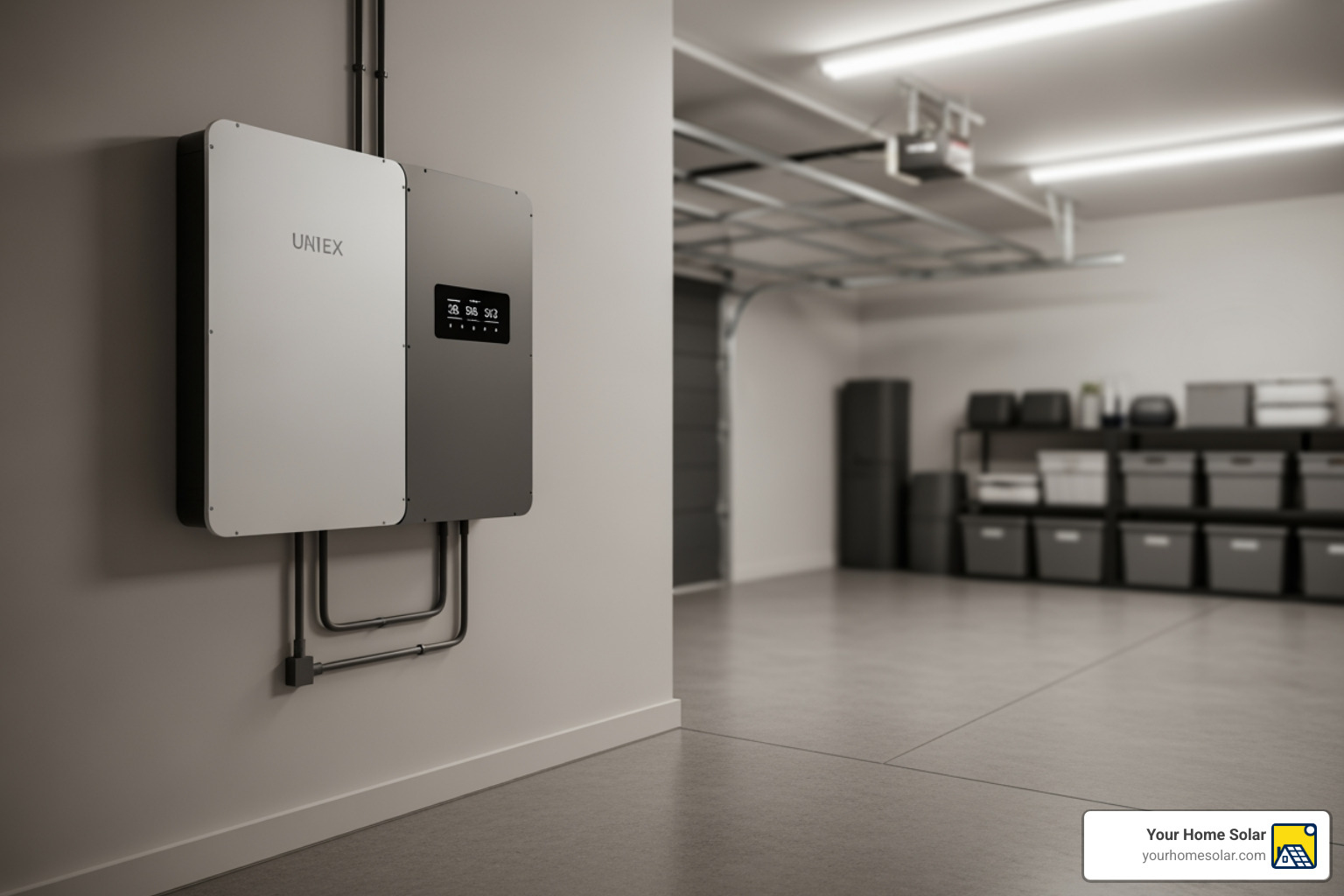
Factoring Battery Storage into the Average Cost of Solar Panels per Kilowatt
Adding a solar battery storage system means you’re investing in more than just power generation; you’re investing in energy security. These systems allow you to store excess electricity generated by your solar panels during the day and use it when the sun isn’t shining, or more importantly, when the grid goes down.
Here’s how battery storage factors into the overall cost:
- Typical Battery Cost Range: A 10 kWh battery system, a common size for residential backup, can add approximately $10,000 to $15,000 to your total project cost. This cost includes the battery unit itself, the necessary inverters (if not integrated), and additional wiring and safety components.
- System Integration Expense: Integrating a battery seamlessly with your existing or new solar array requires specialized expertise. This integration ensures efficient charging and discharging, optimal performance during outages, and compliance with all electrical codes.
- Increased Energy Resilience: The primary benefit for many East Tennessee homeowners is the peace of mind during power outages. With a battery, your home can remain powered even when your neighbors are in the dark, protecting against spoiled food, lost work time, or simply the discomfort of no heat or AC.
- Maximizing Self-Consumption: Beyond backup, batteries allow you to maximize the electricity you generate. Instead of sending excess power back to the grid (and potentially receiving less than retail rate for it through net metering), you store it for your own use later, further reducing your reliance on utility companies.
While it’s an additional investment, the long-term savings and the invaluable security offered by a solar battery system make it a compelling addition for many of our clients. We offer solutions like the EcoFlow DELTA Pro Portable Power Station that can seamlessly integrate with existing solar panels to create a hybrid system, or more robust whole-home battery solutions. For a comprehensive understanding of your options, explore The Ultimate Guide to Solar Batteries and Energy Storage Solutions. And to see why they’re such a smart choice for emergency power, check out Why Solar Panels for Homes Are the Best Choices for Emergency Power Backup.
Lowering Your Price: Solar Tax Credits and Incentives
The good news for East Tennessee homeowners is that the average cost of solar panels per kilowatt can be significantly reduced thanks to a variety of financial incentives. These programs are designed to make solar energy more accessible and affordable, accelerating the transition to clean energy. We make sure you’re aware of every opportunity to save!
These incentives can come in many forms:
- Federal incentives: Large, nationwide programs designed to encourage solar adoption.
- State rebates: While Tennessee has limited direct state-level rebates for solar, we focus on maximizing federal and local utility programs.
- Local utility programs: Many local utility companies in our East Tennessee service area offer specific incentives or net metering policies.
- Net metering policies: These allow you to sell any excess electricity your panels generate back to the grid, earning credits on your utility bill.
Navigating these incentives can be complex, but that’s where our expertise comes in. We’re here to help you understand what’s available and how to apply. Dive deeper into these opportunities with our Solar Incentives Tennessee 2026 Guide.
The Federal Residential Clean Energy Credit
The most impactful incentive for homeowners across the U.S., including right here in East Tennessee, is the Federal Residential Clean Energy Credit. This program offers a substantial 30% tax credit on the total cost of your solar energy system. This isn’t just a deduction; it’s a direct reduction of the amount of federal income tax you owe.
Here’s what you need to know:
- 30% Tax Credit: This credit applies to systems installed through 2032, making now an excellent time to invest.
- Eligible Expenses: The credit covers not only the solar panels themselves but also other essential components like solar batteries, inverters, mounting equipment, and the labor costs for installation. This means if your total system cost is $30,000, you could receive a $9,000 credit on your federal taxes.
- How to Claim the Credit: You claim this credit when you file your federal income taxes using IRS Form 5695. While we aren’t tax advisors, we can provide you with the necessary documentation for your system’s cost. We always recommend consulting with a qualified tax professional to ensure you maximize your benefit.
This credit significantly lowers your effective average cost of solar panels per kilowatt, making solar a more attainable and attractive investment. For official details, refer to the IRS’s Residential Clean Energy Credit page.
State and Local Incentives in Tennessee
While Tennessee doesn’t have a broad state-wide solar rebate program comparable to some other states, East Tennessee homeowners can still benefit from specific local and utility-based incentives that further reduce their effective average cost of solar panels per kilowatt.
Key programs and considerations include:
- TVA Green Power Providers Program: The Tennessee Valley Authority (TVA), which supplies power to most of East Tennessee’s local utilities, has historically offered programs like the Green Power Providers. While specific program details and availability can change, these initiatives typically allow homeowners to sell excess solar energy back to the grid at a set rate, providing a tangible return on investment.
- Local Utility Rebates: Many local utility companies that partner with TVA (such as Knoxville Utilities Board, Maryville Electric Department, or BrightRidge in Johnson City/Kingsport areas) may offer their own localized rebates, grants, or net metering policies. These programs are designed to encourage solar adoption within their service territories. We stay up-to-date on these changing opportunities and can help you identify what’s available in your specific location.
- Property Tax Considerations: In Tennessee, installing solar panels generally does not increase your property tax assessment. This is a significant benefit, as it means you gain the value and savings of solar without incurring additional annual tax burdens.
We understand that navigating these local programs can be confusing. That’s why we’re here to help you uncover every available incentive. For a more detailed look at the local landscape, our expert Ernie Bussell answers the question: What Incentives Exist in Solar Within Tennessee? Ernie Answers This Commonly Asked Question.
Frequently Asked Questions about Solar Panel Costs
We get a lot of questions from East Tennessee homeowners curious about going solar. Here are some of the most common ones we hear regarding the average cost of solar panels per kilowatt and the overall investment.
How long is the typical payback period for solar panels?
The payback period for solar panels, or the time it takes for your energy savings to equal your initial investment, typically ranges from 6 to 12 years. This can vary depending on several factors:
- Local electricity rates: Higher electricity rates in your area mean greater savings, which can shorten the payback period.
- Total system cost: A lower upfront cost (after incentives) naturally shortens the payback period.
- Available incentives: Federal tax credits and any local utility rebates significantly reduce your net cost.
- Energy consumption: The more electricity you use and offset with solar, the quicker your savings add up.
After the payback period, the electricity your system generates is essentially free, leading to decades of savings. We can help you estimate a personalized payback period for your East Tennessee home. Learn more about how we assess your potential savings at How Your Home Solar Evaluates Your Solar Savings in East Tennessee.
Do solar panels increase my home’s value?
Installing solar panels is widely recognized as a strong home improvement for increasing property value. Studies, including research from Zillow, indicate that homes with solar panels have sold for approximately 4% more than comparable homes without them.
Homes with solar panels also tend to sell faster. Buyers are increasingly looking for energy-efficient features, and a home with an established solar system is a major selling point. It signals lower utility bills, environmental responsibility, and modern amenities.
For East Tennessee homeowners, this means your solar investment can support both lower energy costs and improved market appeal. We have a detailed guide on this topic: How Solar Energy Can Increase Your Property Value.
Is a DIY solar installation cheaper?
While a “DIY” solar installation might seem like a way to reduce the average cost of solar panels per kilowatt, it often comes with significant risks and hidden costs.
Here are key considerations:
- Safety risks: Working on rooftops with heavy equipment and high-voltage electricity is dangerous. Professional installers are trained and equipped to handle these hazards safely.
- Permitting and code compliance: Solar installations require specific permits and must comply with local building and electrical codes (which vary across East Tennessee counties like Knox, Blount, and Hamilton). Navigating these requirements can be complex for a DIYer.
- Warranties: Many solar panel and inverter manufacturers require professional installation for their warranties to remain valid. A DIY installation could jeopardize these protections.
- Long-term performance: Professional installers design systems for optimal performance, considering roof angle, shading, and local solar conditions. A system that is not properly designed or installed can generate less electricity and reduce your savings over time.
At Your Home Solar, we pride ourselves on being Expert Solar Installers in Knoxville, TN and throughout East Tennessee. Our certified technicians focus on safe, code-compliant installations that are designed to perform reliably for decades.
Conclusion
Understanding the average cost of solar panels per kilowatt is the first step on your journey to energy independence. While the initial investment might seem significant, we’ve seen countless East Tennessee families transform their homes and finances through solar power.
Your final cost is influenced by factors like panel type, system size, installation complexity, and whether you choose to add battery storage for ultimate resilience. But it’s also dramatically offset by powerful incentives like the 30% Federal Residential Clean Energy Credit and various local utility programs.
At Your Home Solar, we believe in providing custom, reliable, and rewarding installations. We’re not just selling panels; we’re offering a comprehensive home energy solution, backed by trusted expertise and a commitment to 100% customer satisfaction. Our team is dedicated to guiding you through every step, from initial assessment to final installation, ensuring your system is perfectly designed for your home and budget.
Don’t let the numbers overwhelm you. The long-term financial benefits, increased home value, and the peace of mind that comes with energy independence make solar a wise investment for your East Tennessee home.
Ready to explore what solar can do for you? Learn more about the Cost and Financing of Solar Systems or contact us for a free, no-obligation consultation. We’re here to help you harness the power of the sun!