Are Mobile Home Solar Panel Kits Worth It in 2026?
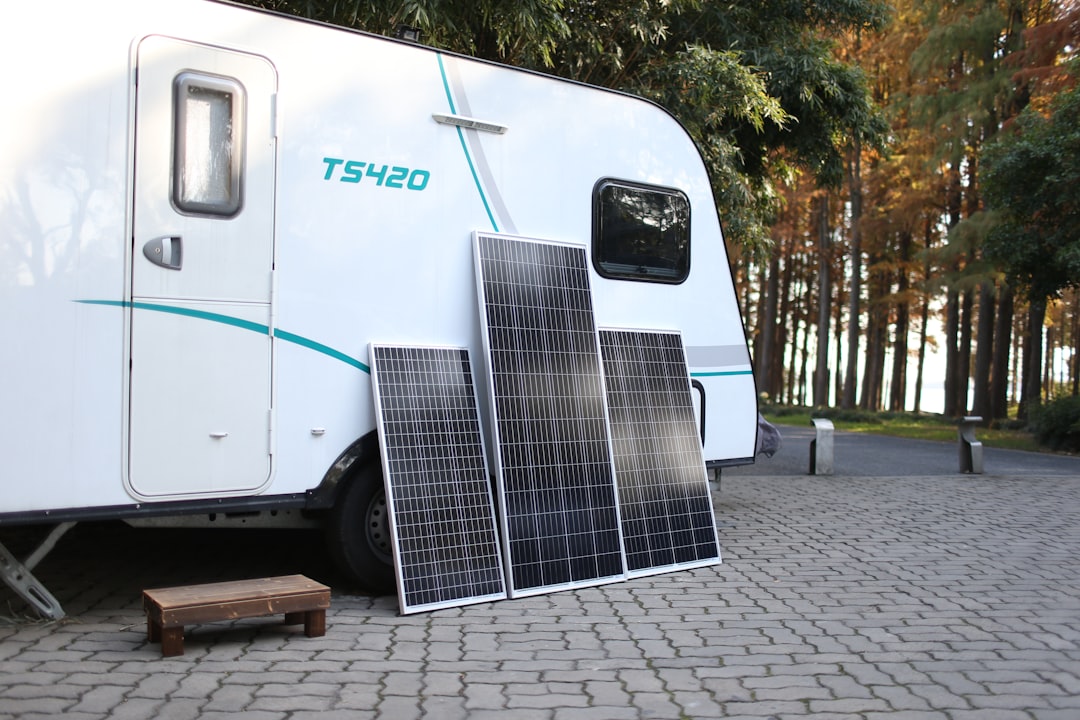
Mobile home solar panel kits are one of the fastest-growing ways for homeowners to cut energy bills and gain independence from the grid — without the cost or complexity of a full residential solar installation.
Here are the most popular kit options to know about:
| Kit Size | Best For | Starting Price |
|---|---|---|
| 100W – 400W | Basic charging, lights, small devices | ~$400 |
| 600W – 800W | Essential appliances, fridge, TV, CPAP | ~$1,500 – $2,200 |
| 3kW – 5kW | Near full-home power, heavy appliances | ~$6,000+ |
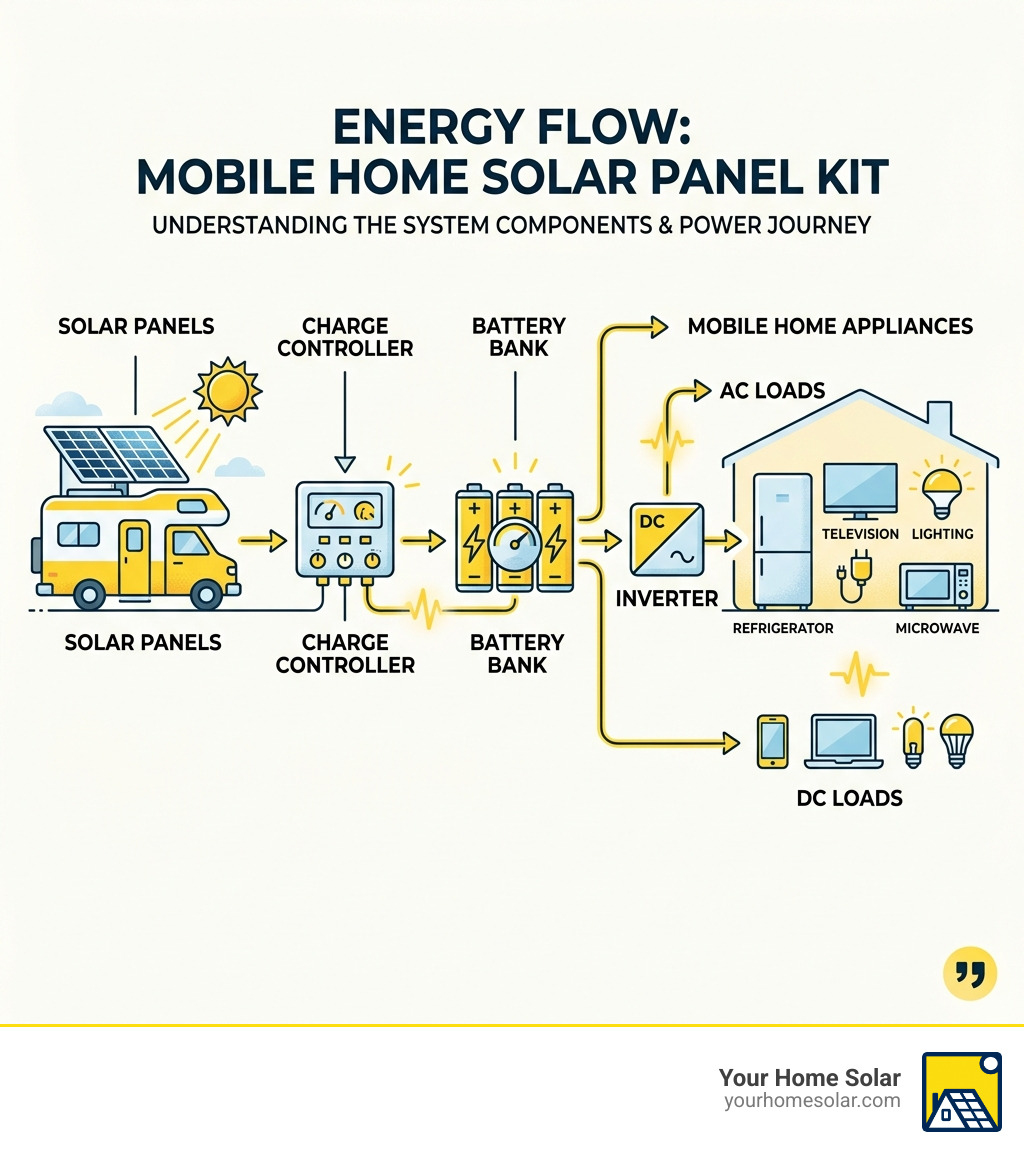
These kits typically include solar panels, a charge controller, a battery, and an inverter — everything you need to start generating your own power.
Whether you’re dealing with rising utility rates in East Tennessee, frequent outages, or just want a more self-sufficient lifestyle, the right solar kit can make a real difference. Mobile solar setups are more accessible than ever, with pre-packaged options from leading manufacturers that are designed for DIY installation. For more information on the technology behind these systems, you can visit the U.S. Department of Energy.
But with dozens of kits on the market — ranging from a $400 entry-level setup to systems costing $10,000 or more — knowing which one actually fits your home and needs is where most people get stuck.
I’m Ernie Bussell, founder and CEO of Your Home Solar, and after years leading solar operations and installations across East Tennessee, I’ve helped countless homeowners navigate the exact questions that come up when evaluating mobile home solar panel kits. This guide cuts through the noise so you can make a confident, informed decision.
Must-know mobile home solar panel kits terms:
Understanding Mobile Home Solar Panel Kits and Their Benefits
When we talk about mobile home solar panel kits, we aren’t just talking about a smaller version of a standard roof-mounted system. These kits are specifically engineered for the unique structural and electrical needs of mobile living. While a standard residential system often requires a massive team of installers and permanent grid-tied infrastructure, mobile kits are frequently “all-in-one” solutions designed for modularity and portability.
System Differences: Standard vs. Mobile
The primary difference lies in the mounting and the scale. Mobile homes often have different roof load capacities than traditional stick-built homes. Furthermore, many mobile home owners in areas like Knoxville or Johnson City look for systems that can move with them or be easily adjusted. Mobile kits often use flexible panels or lightweight aluminum frames, whereas standard residential systems use heavy, rigid glass panels.
To understand the science behind these systems, you can explore How Solar Panels Work A Comprehensive Guide/. Essentially, the kits capture photons and convert them into DC electricity, which is then managed by a charge controller before being stored in a battery or converted to AC power for your outlets.
Why Go Mobile Solar?
- Energy Security: With the weather we see in East Tennessee—from summer storms to winter freezes—having a backup power source is vital.
- Environmental Impact: Reducing your carbon footprint is a major driver. Solar is clean, silent, and renewable. You can learn more about the longevity of these components in our guide on Solar Panel Durability How Long Do They Last/.
- Reduced Generator Reliance: No one likes the smell of diesel or the loud hum of a generator at 2:00 AM. Solar kits provide a peaceful, fume-free alternative for boondocking or emergency backup.
Choosing the Right Size and Type for Mobile Living
Choosing a kit isn’t a one-size-fits-all process. Depending on whether you live in your mobile home full-time in a park in Kingsport or use it for weekend adventures near the Great Smoky Mountains, your needs will vary.
Types of Systems Available
- Off-Grid Systems: These are completely independent of the utility company. They require a significant battery bank to ensure you have power when the sun isn’t shining.
- Grid-Tied Options: These connect to the local utility (like KUB or TVA-affiliated providers) and allow for net metering, where you earn credits for excess power sent back to the grid.
- Hybrid Setups: The “best of both worlds,” these are grid-tied but include a battery backup for outages.
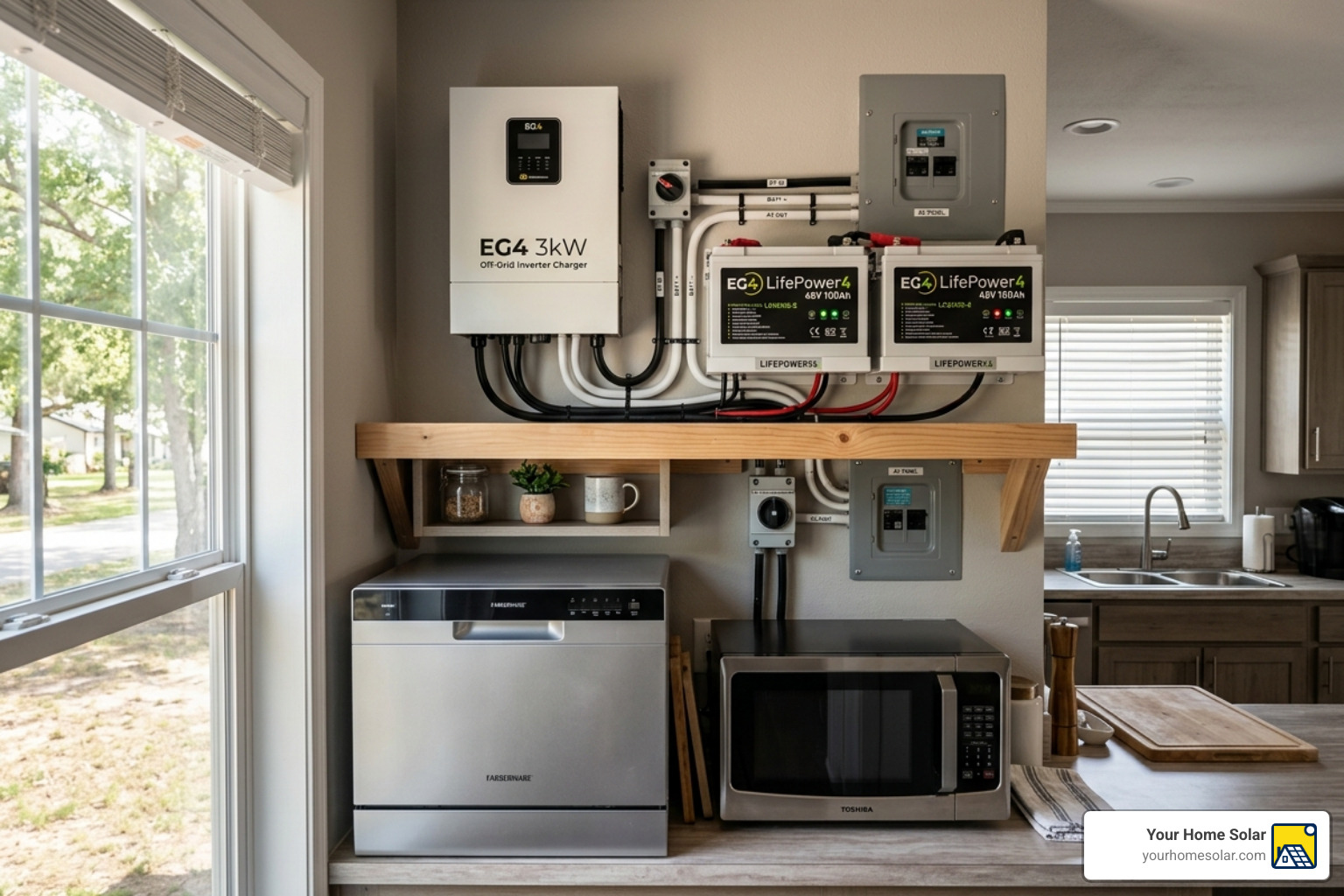
- Portable Power Stations: Often included in smaller kits, these are “plug-and-play” boxes that combine the inverter, battery, and controller into one unit.
For a deeper dive into these categories, check out our Residential Solar Solutions Guide/Comprehensive Guide To Understanding Solar Panels/.
Sizing Your Mobile Home Solar Panel Kits
The biggest mistake we see is underestimating energy needs. To get it right, you must calculate your daily “Watt-hour” load.
- List your appliances: (e.g., LED lights, laptop, fridge, TV).
- Calculate Watts x Hours: If a fridge pulls 100W and runs 8 hours a day, that’s 800Wh.
- Apply a Safety Factor: Multiply your total by 1.5 or 2 to account for cloudy days and system inefficiencies.
| Kit Capacity | Daily Output (Est.) | What it Powers |
|---|---|---|
| 400W Kit | 1.6kWh – 2kWh | Lights, Wi-Fi, Phone charging, small LED TV |
| 800W Kit | 3.2kWh – 4kWh | Full-size fridge (efficient), CPAP, Microwave (bursts) |
| 3kW Kit | 12kWh – 15kWh | Small AC unit, most household appliances |
For professional help with these calculations, see our tips on Properly Sizing A Solar System For Your East Tennessee Home Expert Tips/.
Performance in Variable Weather Conditions
In East Tennessee, we get our fair share of clouds. This is where modern technology like ShadowFlux™ or N-Type cells comes into play. Traditional panels can lose significant power if even a small corner is shaded by a tree or a chimney. Anti-shading technology allows the rest of the panel to keep producing.
Furthermore, if you’re in a colder spot like Sevierville, look for self-heating batteries. Lithium batteries (LiFePO4) generally shouldn’t be charged below freezing (32°F). Self-heating models use a small amount of energy to warm the cells so they can safely accept a charge even in the dead of winter.
Essential Components and Mounting Strategies
A mobile home solar panel kit is only as strong as its weakest link. Most high-quality kits will include four main components:
- Monocrystalline Solar Panels: These are more efficient than polycrystalline, especially in the limited space of a mobile home roof.
- Charge Controller (MPPT vs. PWM): Always opt for MPPT (Maximum Power Point Tracking) if your budget allows. It’s up to 30% more efficient than PWM because it “tracks” the best voltage to harvest the most power.
- LiFePO4 Batteries: These are the gold standard for 2026. They last 10 times longer than lead-acid batteries and are much lighter.
- Pure Sine Wave Inverter: This converts DC to AC power. “Pure” sine wave is essential for sensitive electronics like laptops and CPAP machines; “modified” sine wave can damage them.
Learn more about these parts in Solar Energy Made Simple Understanding The Basics Of Solar Panel Installation/.
Best Mounting Practices for Mobile Home Solar Panel Kits
How you attach the panels is critical for both safety and performance.
- Roof Mounts (Z-Brackets): The most common method. They provide a small air gap under the panel to prevent overheating.
- Flexible Panels: These can be glued or taped directly to curved roofs. They are lightweight but generally have a shorter lifespan than rigid panels.
- Ground Mounts: If your mobile home is stationary on a lot in Anderson or Blount County, a ground mount might be better. It allows you to angle the panels perfectly toward the sun without putting weight on your roof.
Before you drill, read our expert advice: Will Putting A Solar System On My Roof Damage It Expert Advice For East Tennessee Homeowners/.
DIY Installation and Safety Considerations
Many of these kits are advertised as “plug-and-play.” While that’s true for the wiring (often using MC4 connectors), you still need to be careful.
- Permitting: Even for mobile homes, some counties in Tennessee require electrical permits for solar installs.
- Safety Codes: Ensure you use proper fusing and circuit breakers between the panels, controller, and battery to prevent fires.
- NABCEP Standards: While you can DIY, following the North American Board of Certified Energy Practitioners (NABCEP) guidelines ensures a professional-grade result.
Costs, Maintenance, and Real-World Performance
How much will this set you back? In 2026, the market is very competitive.
- Starter Kits: You can find 100W to 200W “boondocking” kits for under $1,000. These are great for keeping a battery topped off but won’t run your whole home.
- Mid-Range Kits: An 800W kit with a 2000W inverter and lithium storage typically runs between $2,000 and $3,500.
- Full Systems: Large 3kW+ DIY kits can save you nearly half the cost of a professional installation, starting around $6,000.
Don’t forget the Federal Tax Credit (ITC)! As of 2026, many of these systems still qualify for a significant tax credit, making the ROI even faster. You can find more details on the official government guide to solar tax credits.
Maintenance Schedules
Solar isn’t “set it and forget it.” To keep your mobile home solar panel kits performing at their peak:
- Cleaning: Pollen in the spring and leaves in the fall can drop your output by 20%. A simple wash with water is usually enough. Solar Panel Maintenance Knoxville/ provides more local tips.
- Check Connections: Vibrations from moving a mobile home or RV can loosen wires. Check your terminals every few months.
- Monitor Batteries: Use Bluetooth apps (standard in most 2026 kits) to ensure your batteries aren’t being over-discharged.
For a full checklist, see How To Maintain And Extend The Lifespan Of Your Home Solar Panels/.
Frequently Asked Questions about Mobile Solar
Can kits provide full off-grid power? Yes, but it requires careful planning. A 15kW+ system with 30kWh of storage can run a mobile home indefinitely, but most people start smaller and expand as they learn their habits.
What maintenance is required? Mainly keeping the panels clean and checking wire tightness. For more technical systems, you can refer to our Solar System Maintenance/ guide.
Are there affordable starter options? Absolutely. Leading manufacturers offer 200W-400W kits that are perfect for beginners. You can even find flexible 100W kits for around $400 for basic battery maintenance.
Conclusion
Energy independence isn’t just for mansions on the hill anymore. With mobile home solar panel kits, anyone in East Tennessee—from the suburbs of Farragut to the rural reaches of Morgan County—can harness the power of the sun. Whether you want to save money, protect yourself from outages, or live a more sustainable lifestyle, there is a kit designed for your specific needs.
At Your Home Solar, we are dedicated to helping our neighbors find the most reliable and rewarding energy solutions. While DIY kits are a fantastic way to start, we are always here to provide the trusted expertise you need for larger installations or complex setups.
Ready to take the next step toward energy freedom? Explore our Residential Solar Solutions Guide/ and let’s power your mobile lifestyle together!