
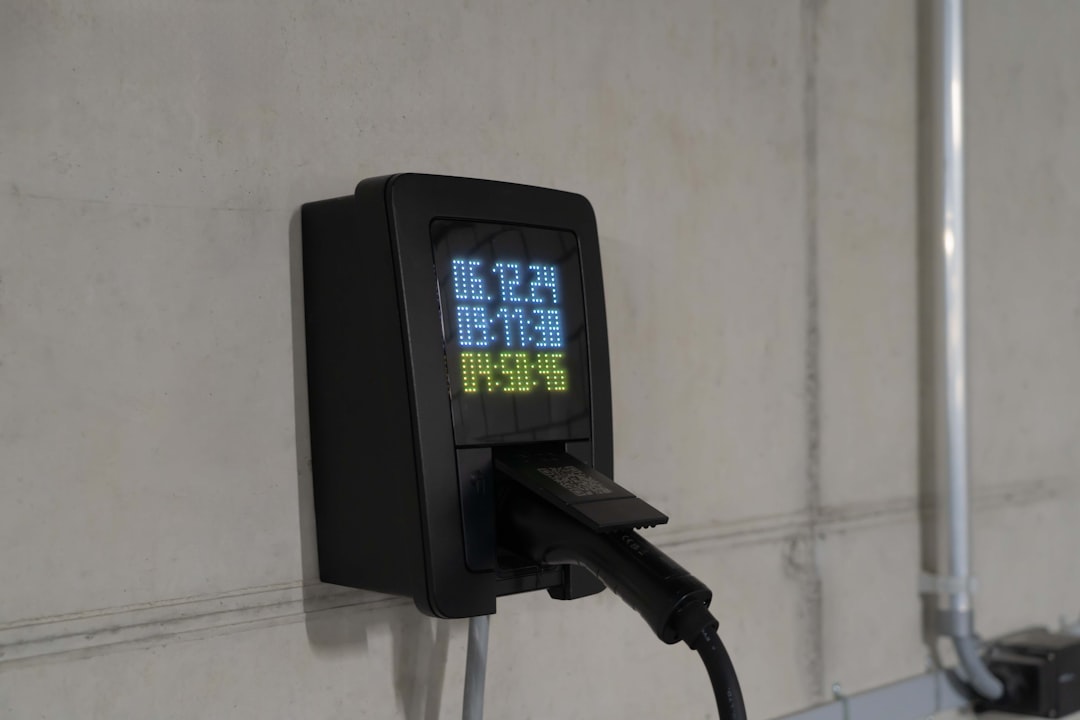
What is the Average Cost to Install a 240V Level 2 EV Charger at Home?
Charging your electric vehicle (EV) at home is a major convenience. For East Tennessee homeowners, a 240V Level 2 charger is the standard, offering much faster speeds than a 120V outlet. Total costs vary based on your home’s electrical system and equipment choice.
What is the Typical Total Investment for a Level 2 Charger?
Most homeowners spend between $1,200 and $4,000 for a Level 2 installation. On average, the cost to purchase and install a unit falls between $1,500 and $2,750. Basic installations in Knoxville, Maryville, or Johnson City typically range from $850 to $2,700. Complex projects requiring significant electrical upgrades can exceed $4,000.
How Much Does the EV Charger Hardware Itself Typically Cost?
The charger unit, or Electric Vehicle Supply Equipment (EVSE), usually costs $300 to $800. Basic models range from $400 to $600, while smart chargers with Wi-Fi, scheduling, and load management can reach $1,000 to $1,200. Price is influenced by brand and amperage (e.g., 32-amp vs. 48-amp).
What Are the Typical Labor and Materials Costs for Installation?
Labor and materials generally cost between $700 and $1,500.
- Labor: Electrician rates in East Tennessee range from $75 to $150 per hour. A standard install takes 2 to 4 hours, though complex routing increases time.
- Materials: Excluding the charger, materials cost $300 to $800. The main expense is 6-gauge copper wire, priced at $2 to $5 per foot. Other items include breakers, conduit, and mounting hardware.
What Are Real-World Cost Examples for Simple, Typical, and Complex Installations?
- Simple ($300-$800): Uses an existing 240V outlet (like NEMA 14-50) with sufficient panel capacity. The electrician simply installs the charger and verifies safety.
- Typical ($1,200-$2,000): Involves a new dedicated 240V circuit within 20-40 feet of the panel. No major upgrades are needed. Includes charger, labor, materials, and permits.
- Complex ($2,500-$4,000+): Required when the electrical panel needs an upgrade, wire runs exceed 50 feet, or trenching is needed for detached garages.
What Factors Most Significantly Impact the Total Installation Cost?
Several variables influence the final price of your 240V EV charger installation, from infrastructure needs to the physical layout of your property.
When is an Electrical Panel Upgrade Required, and What Does it Cost?
A Level 2 charger draws 30-50 amps continuously. About 40% of homes require an upgrade if the panel is near capacity, lacks breaker slots, or provides less than 100-amp service. Older properties in historic East Tennessee areas often face this. Upgrades range from $1,500 to $5,000+.
- Subpanel Installation: If the main panel has capacity but no physical space, a subpanel costs $500 to $1,500.
- Full Panel Upgrade: Moving from 100-amp to 200-amp service typically costs $1,500 to $4,000. This Old House provides more detail on these costs.
How Does the Distance from the Electrical Panel to the Charger Location Affect Pricing?
Distance is a major cost driver. Longer runs require more 6-gauge copper wire ($2-$5 per foot) and additional conduit. Labor also increases when electricians must fish wires through finished walls or ceilings. For detached garages, trenching adds hundreds or thousands of dollars depending on soil and obstacles.
What Are the Differences in Cost Between Hardwired vs. Plug-in (NEMA 14-50) Installations?
- Plug-in (NEMA 14-50): Adding an outlet costs roughly the same as hardwiring (plus $10-$25 for the outlet). It offers portability if you move.
- Hardwired: These are directly connected and more secure. Some local codes or high-amperage chargers (60-amp) require hardwiring to ensure safety and maximum speed.
How Can Existing 240V Outlets (like Dryer Outlets) Reduce Installation Costs?
If a NEMA 14-50 or 14-30 outlet exists near your parking spot, costs drop to $300-$800, covering the hardware and basic safety checks. For dryer outlets, smart splitters can manage power between the appliance and the EV, avoiding the need for new circuits or permits.
What Incentives and Savings Opportunities Are Available for EV Charger Installation?
Incentives can significantly lower the upfront cost of home charging for East Tennessee residents.
What Incentives, Rebates, and Tax Credits Are Available to Offset EV Charger Installation Costs?
- Federal Tax Credit (Section 30C): Claim 30% of the total cost (up to $1,000) for equipment and installation through 2032. Check the IRS Alternative Fuel Vehicle Refueling Property Credit page or the Department of Energy’s mapping tool for eligibility.
- Utility Rebates: Utilities in Knoxville, Chattanooga, and Johnson City often offer rebates for Level 2 chargers or special time-of-use (TOU) rates. Check your provider (KUB, EPB, BrightRidge) and the DSIRE database. Stacking these can cover 50% to 75% of your total expense.
How Do Installation Costs Vary by Location or Region in the US?
Labor rates and permit fees vary. At Your Home Solar, we serve Knoxville, Oak Ridge, Maryville, and surrounding counties, providing estimates tailored to local market conditions. For more details, visit our EV Charger Installation Knoxville page.
How Can I Get Accurate Quotes and Avoid Overpaying for Installation?
- Get Three Quotes: Ensure they break down labor, materials, and permits.
- Verify Experience: Ask specifically about EVSE installation and load calculations.
- Provide Details: Share your panel’s amperage and the distance to the charger.
- Check Reviews: Confirm licensing and insurance.
For expert service in East Tennessee, contact Your Home Solar. See our approach to Smart EV Charger Installation in Knoxville.
What Are the Essential Considerations for a Safe and Compliant Installation?
Safety and code compliance are vital when dealing with high-voltage electricity.
Do I Need Permits for a 240V EV Charger Installation, and How Much Do They Cost?
Yes, permits are required. They ensure the work meets safety standards and trigger a professional inspection. Fees in East Tennessee typically range from $100 to $200. Skipping permits can void warranties, cause insurance claim denials, and lead to fines. The U.S. Department of Energy emphasizes the importance of these permits.
Can I Install a 240V EV Charger Myself, or Do I Need a Licensed Electrician?
We strongly advise against DIY installation. High-voltage 240V circuits pose risks of fire and electrocution. Licensed electricians ensure compliance with the National Electrical Code (NEC), protect your warranty, and handle the inspection process.

How Long Does a Typical 240V EV Charger Installation Take?
- Physical Install: 2 to 4 hours for straightforward jobs; a full day for complex ones.
- Total Process: Including assessment, permit approval (1-2 weeks), and final inspection, the timeline is usually 2 to 3 weeks.
What Safety Considerations and Electrical Codes Apply to 240V Installations?
We follow NEC Article 625 standards, including:
- Dedicated Circuit: No other appliances on the line.
- Breaker Sizing: Rated at 125% of continuous load (e.g., 50-amp breaker for a 40-amp charger).
- GFCI Protection: Required to prevent electric shock.
- Hardwiring: Often required for chargers over 40A per NEC standards.
How Does Level 2 Charging Compare to Other Options, and What Are the Ongoing Costs?
How Does Level 2 (240V) Compare to Level 1 Charging?
| Feature | Level 1 | Level 2 (240V) |
|---|---|---|
| Voltage | 120V | 240V |
| Speed | 3-5 miles/hour | 20-40 miles/hour |
| Install Cost | $0 | $800 – $4,000+ |
| Charger Cost | Included with car | $300 – $800 |
Level 2 is the home standard, allowing a full charge overnight, whereas Level 1 can take days.
What Ongoing Costs Should I Expect?
- Electricity: Expect a $30 to $60 monthly increase on your bill, which is far cheaper than gasoline.
- Optimization: Smart chargers allow scheduling for off-peak hours to lower costs.
- Maintenance: These are solid-state devices with minimal maintenance needs.
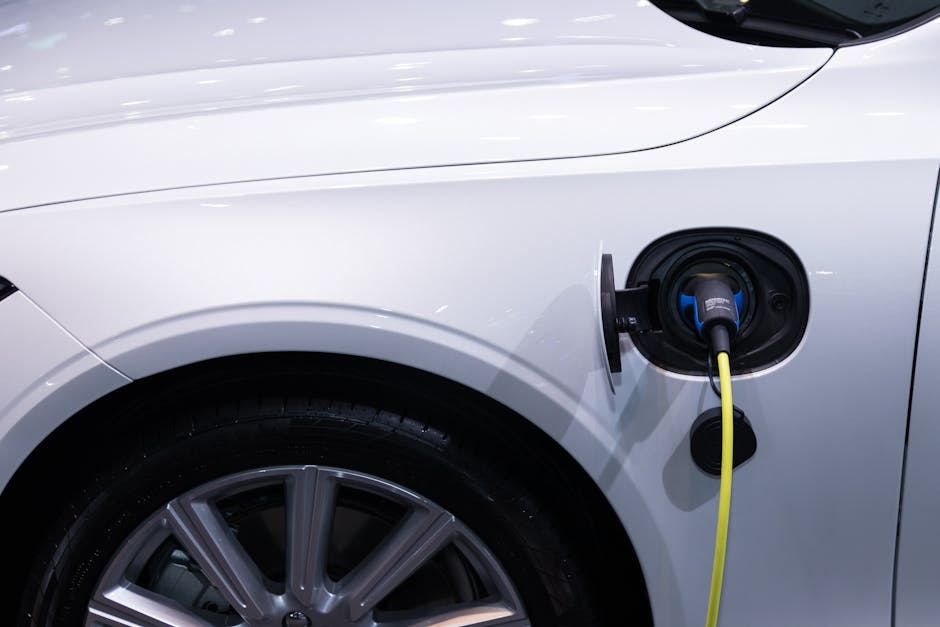
Frequently Asked Questions about 240V EV Charger Installation
We get a lot of questions from homeowners in East Tennessee about installing EV chargers. Here are some of the most common ones:
Do I need to upgrade my electrical panel for EV charging?
Not always. Whether you need an electrical panel upgrade depends on your current panel’s amperage, its existing load, and the availability of spare breaker slots. An electrician will perform a load calculation to determine if your panel can safely handle the additional demand of a Level 2 EV charger. If not, solutions range from installing a subpanel to a full panel upgrade, or even using a smart load management device to avoid a costly upgrade.
Can I install a 240V EV charger myself?
While some plug-in chargers might seem simple to mount, installing a 240V circuit involves high-voltage electricity and adherence to complex electrical codes. For safety, compliance with local regulations, and to ensure your charger’s warranty and homeowner’s insurance remain valid, we strongly recommend hiring a licensed and experienced electrician. DIY installation of a new 240V circuit can be dangerous and lead to serious electrical hazards.
What are the main benefits of installing a Level 2 charger at home?
The primary benefits of installing a 240V Level 2 EV charger at home are:
- Significantly Faster Charging: You can add 20-40 miles of range per hour, ensuring your EV is fully charged overnight.
- Unmatched Convenience: Wake up to a “full tank” every day, eliminating trips to public charging stations.
- Long-Term Cost Savings: Home charging is typically much cheaper per mile than public charging or gasoline.
- Increased Home Value: A dedicated home charging station is an attractive amenity that can add value to your property.
Conclusion
Installing a 240V Level 2 EV charger at home is a significant investment that offers immense convenience and long-term savings. While the average cost typically ranges from $1,500 to $2,750, this can fluctuate widely based on factors like your home’s electrical panel capacity, the distance to the charger, and the type of installation.
By understanding these variables, leveraging available federal tax credits and potential local utility incentives, and prioritizing professional installation, you can ensure a safe, efficient, and cost-effective home charging solution. For residents in East Tennessee seeking trusted expertise and 100% customer satisfaction for their EV charger installation, Your Home Solar offers tailored, reliable, and rewarding solutions designed to meet your specific needs and budget.