Why East Tennessee Homeowners Need Reliable Backup Power
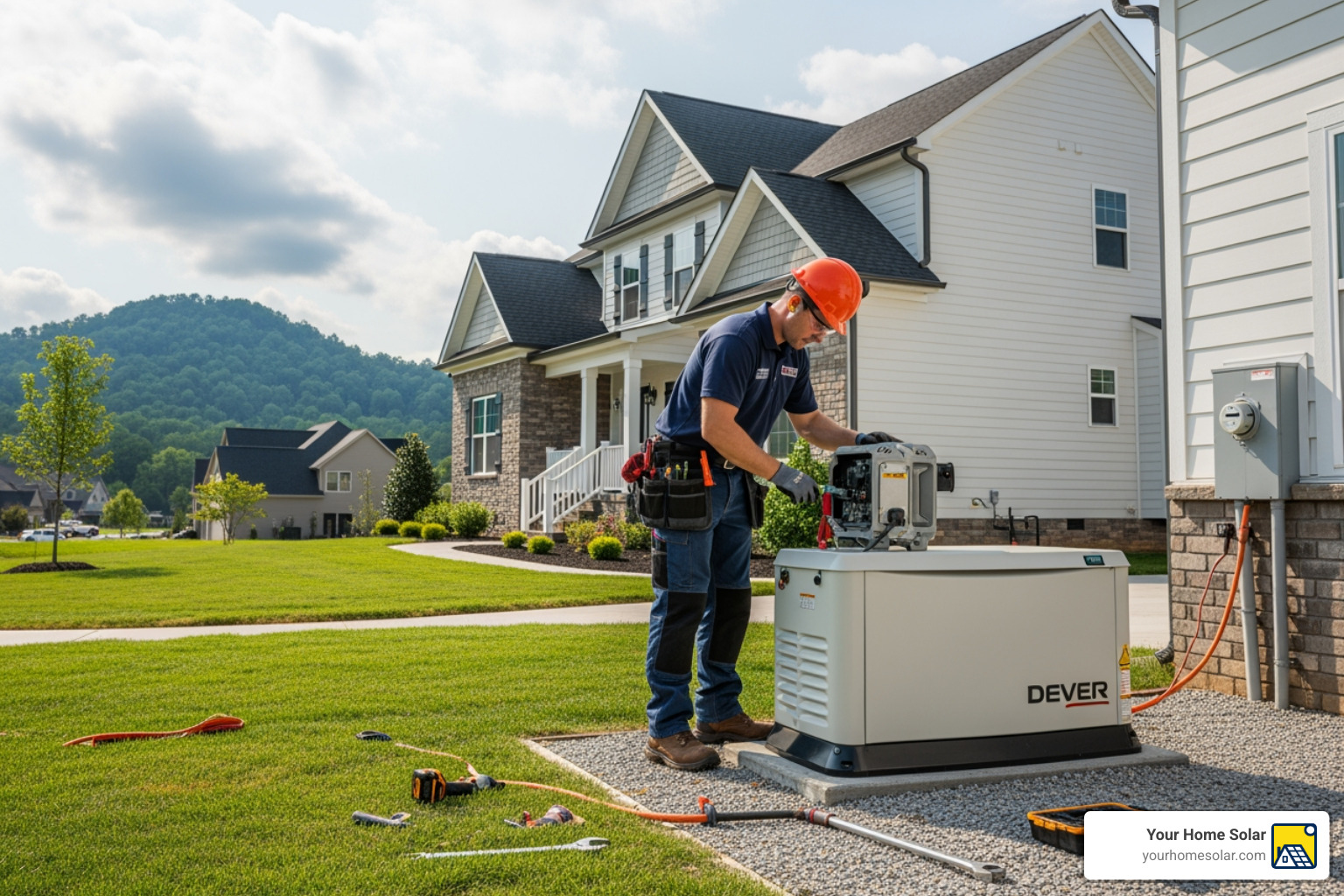
A local generator installer ensures your home stays powered during outages through professional installation of standby generators that automatically activate when the grid fails. Here’s what to look for when finding your perfect generator pro:
How to Find a Qualified Local Generator Installer:
- Verify licensing and insurance – Protects your home and ensures code compliance
- Check local reviews and reputation – Look for verified customer feedback in your area
- Request a free site evaluation – Professional assessment of your power needs and property requirements
- Compare quotes from multiple installers – Typical whole-home systems range from 22kW to 32kW
- Confirm warranty and maintenance support – Annual servicing extends lifespan up to 50 years
East Tennessee weather is unpredictable. Ice storms, severe thunderstorms, and grid failures can leave your home without power for hours or even days. While your neighbors sit in the dark waiting for utility crews, a professionally installed standby generator keeps your lights on, your refrigerator running, and your family comfortable.
But here’s the catch: generator installation isn’t a DIY project. It requires careful planning, proper permitting, safe fuel connections, and precise electrical integration. One mistake can create dangerous backfeed conditions, void your warranty, or violate local codes.
That’s where choosing the right local generator installer makes all the difference. A qualified professional doesn’t just drop a generator in your yard—they assess your specific power needs, handle permits, prepare the site with proper foundations, connect fuel lines safely, integrate automatic transfer switches, and test everything before they leave.
I’m Ernie Bussell, founder and CEO of Your Home Solar, and I’ve spent years helping East Tennessee homeowners steer energy solutions, including working alongside licensed local generator installers who understand our region’s unique power challenges. Whether you’re protecting your home from the next storm or planning long-term energy independence, finding the right local generator installer is your first step toward peace of mind.
Why You Need a Professional Local Generator Installer
When the winds pick up in Knoxville or the ice starts coating the trees in Johnson City, the last thing you want to worry about is whether your backup power system was installed correctly. Hiring a professional local generator installer is about more than just convenience; it is a critical safety requirement.
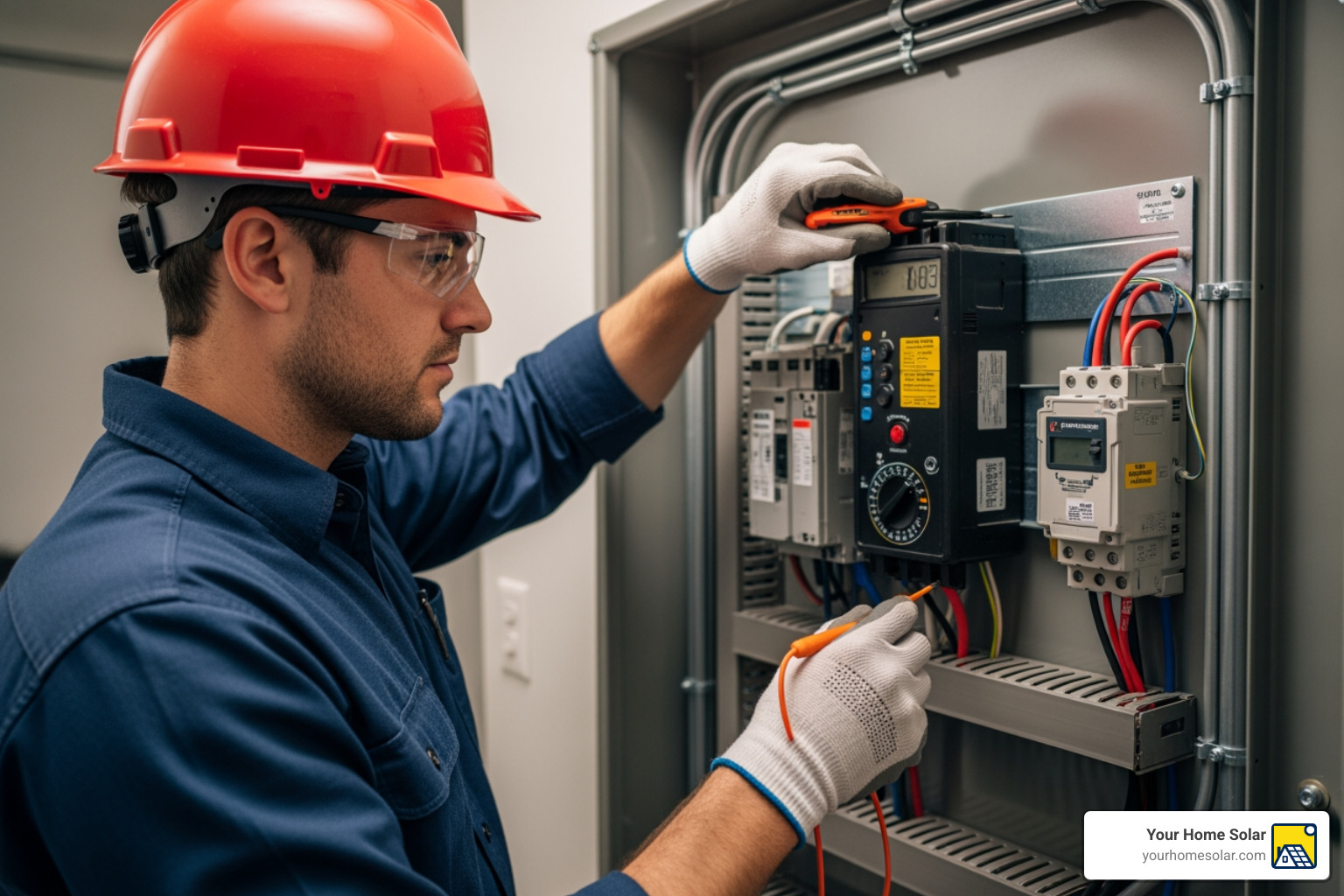
Installing a standby generator involves working with high-voltage electricity and volatile fuel sources like natural gas or liquid propane. A professional ensures that your system is equipped with an Automatic Transfer Switch (ATS). This device is the “brain” of your backup system, sensing when the grid goes down and safely disconnecting your home from the utility lines before engaging the generator.
Without this professional integration, you risk a dangerous phenomenon called “backfeed.” This occurs when electricity from your generator flows back into the neighborhood power lines, potentially electrocuting utility workers trying to restore power. Professionals also ensure that your installation adheres to strict local codes and zoning regulations, which vary significantly across Tennessee counties. For more on why expert help is non-negotiable, you can check out Local Generator Installations | HomeAdvisor.
Finding a Local Generator Installer You Can Trust
In our experience serving East Tennessee, we’ve learned that “local” isn’t just a buzzword—it’s a mark of expertise. A local pro knows the specific permitting offices in Sevierville or the unique terrain challenges in the Smoky Mountains.
To find a reputable expert, start by looking for verified reviews and a strong community reputation. You want a team that has been in the industry for years—some of the top teams in the South have over 25 to 50 years of experience and have installed thousands of units. We take pride in our deep roots in the region, covering a wide Service Area from the heart of Knoxville to the surrounding counties.
What to Expect from Your Local Generator Installer
A professional relationship begins long before the first bolt is tightened. When you contact a pro, the process starts with a comprehensive site assessment. During this visit, your installer will help you steer:
- Generator Placement: Finding a spot that meets safety clearances (usually 5 feet from windows and doors) and stays above potential flood lines.
- HOA Restrictions: Many communities in Farragut or Maryville have specific rules regarding noise levels and equipment visibility.
- System Requirements: Assessing your current electrical panel to see if it can handle the integration of a standby unit.
Most reputable companies will provide a Free Estimate after this consultation, giving you a clear picture of the total solution cost, including labor, materials, and the unit itself.
The Step-by-Step Generator Installation Process
At Your Home Solar, we believe transparency is key to customer satisfaction. Understanding Our Process helps take the mystery out of the installation day.
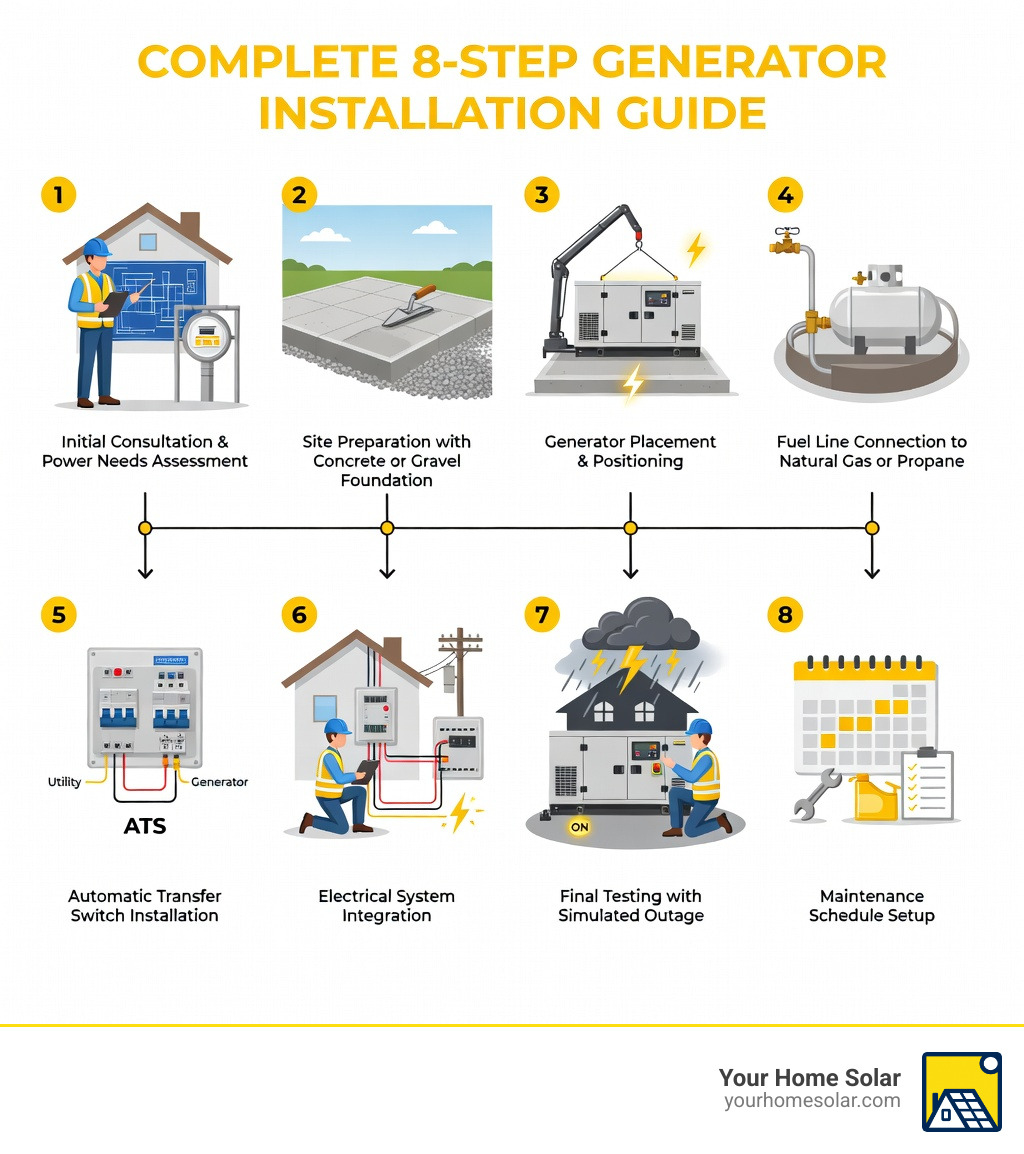
The physical installation usually begins with site preparation. A standby generator is a heavy piece of machinery—it isn’t just sat on the grass. To ensure long-term performance and prevent the unit from sinking or shifting, we prepare a stable foundation. This usually involves a reinforced concrete slab or a compacted gravel base.
Professional Site Preparation and Permits
Once the foundation is set, the local generator installer handles the heavy lifting of logistics. This includes:
- Permit Handling: We manage the paperwork with local building and electrical departments to ensure your system is 100% legal and safe.
- Fuel Line Connection: Whether you use natural gas or liquid propane (LP), a licensed gas technician must run the lines to the generator.
- Electrical Integration: The transfer switch is installed next to your main electrical panel, creating a seamless bridge between the grid and your backup power.
For those looking for more technical details on the logistics, Local Generator Installers provides excellent context on what happens behind the scenes.
Final Testing and System Verification
The most exciting part of the day is the final “simulated outage.” Your installer will actually trip the main breaker to mimic a utility failure. You’ll hear the generator roar to life, and within seconds, your lights will flicker back on.
This testing phase is crucial for verifying that the Automatic Transfer Switch is functioning perfectly and that the voltage is stable. Before the team leaves, they should provide you with a full walkthrough of the system, answer your questions, and provide maintenance guidance. This is a standard part of any high-quality Generator Installation Knoxville project.
Choosing the Right Size and Type for Your Home
One of the most common questions we hear is: “How big of a generator do I actually need?” Sizing is not a guessing game; it’s a calculation of your home’s “peak load.”
For most mid-size homes in East Tennessee, a generator producing between 22kW and 32kW is the gold standard for whole-home backup. This allows you to run your HVAC system, refrigerator, lights, and even high-draw appliances like your oven or dryer simultaneously.
If you are looking to save on costs and only want to power “critical circuits” (like your fridge, a few lights, and your Wi-Fi), you might only need 11kW to 16kW.
| Backup Type | Power Range | What It Powers |
|---|---|---|
| Critical Circuits | 11kW – 16kW | Refrigerator, lights, Wi-Fi, phone chargers, sump pump |
| Whole-Home Backup | 22kW – 32kW | Everything above + Central AC, electric oven, dryer, water heater |
Comparing Traditional Generators and Modern Solutions
While traditional standby units are the most common choice, the industry is evolving. Many homeowners are now looking at hybrid systems that combine traditional fuel-powered generators with battery storage or solar arrays.
We often help customers evaluate Comparing Solar with Traditional Gas Generators for East Tennessee Homes to see which fits their lifestyle best. Regardless of the path you choose, we ensure you have access to the Brands We Carry, which include industry leaders known for reliability and local parts availability.
Maximizing Your Investment: Maintenance and Warranties
A standby generator is a significant investment, but with the right care, it can last up to 50 years. However, like a car, it requires regular maintenance to stay in “storm-ready” condition.
Most standby generators are rated for about 3,000 hours of total run time. To reach that milestone, you need to perform annual servicing. This includes oil and filter changes, battery testing, and spark plug replacements.
Long-Term Reliability and Monitoring
Many modern units now offer remote monitoring. This allows both you and your local generator installer to receive alerts on your smartphone if the unit detects an issue during its weekly “exercise” cycle.
When choosing an installer, ask about extended warranties and financing options. A good warranty provides peace of mind that your investment is protected against manufacturing defects for years to come. For specific details on local options, look into Generac Generator Installation in Knoxville.
Frequently Asked Questions About Generator Installation
How do I determine what size generator I need?
The best way is through a professional load calculation. Your installer will look at your home’s square footage and the “starting wattage” of your largest appliances (like your AC compressor). This ensures you don’t buy a unit that is too small (which will stall) or too large (which wastes fuel).
Can I install a standby generator myself?
We strongly advise against it. DIY installation carries high risks of electrical shock, fire hazards, and carbon monoxide poisoning if placed incorrectly. Furthermore, most manufacturers will void your warranty if the unit isn’t installed by a certified professional.
How often does a standby generator need service?
We recommend a major service once a year. However, air-cooled units in dusty environments or those that run frequently should be checked every 6 months. It’s also vital that the generator “exercises” itself once a week for about 10–20 minutes to keep the engine lubricated and the battery charged.
Conclusion
At Your Home Solar, we aren’t just about panels; we are about complete energy security. We understand that for many East Tennessee families, a backup generator is the final piece of the puzzle for true peace of mind. By choosing a qualified local generator installer, you ensure that when the next big storm rolls through the Tennessee Valley, your home remains a bright, warm sanctuary for your loved ones.
Don’t wait for the sky to turn grey to start your journey toward energy independence. Our team is ready to provide custom, reliable, and rewarding installations that put you back in control of your power.
Ready to secure your home? Contact us today for a consultation, or Learn more about home energy solutions in East Tennessee to see how we can help you stay powered up, no matter what the weather brings.