What Does Generator Installation Cost in 2026?
Generator installation cost for a whole-home standby system typically runs between $7,000 and $25,000, including both the unit and professional installation. Here’s a quick snapshot:
| Generator Type | Typical Total Cost |
|---|---|
| Portable generator | $500 – $2,500 |
| Battery backup system | $8,000 – $20,000+ |
| Standby (7-10 kW) | $6,200 – $8,500 installed |
| Standby (12-20 kW) | $8,800 – $13,800 installed |
| Standby (22-30+ kW) | $12,200 – $25,000+ installed |
Note: Costs vary based on site conditions, fuel type, local permits, and labor rates.
Power outages in East Tennessee aren’t just an inconvenience. They can knock out your heat, your refrigerator, your medical equipment, and your ability to work from home — sometimes for days at a time. Knowing your generator installation cost upfront is the difference between making a confident decision and getting an unwelcome surprise when the invoice arrives.
The reality is that most homeowners focus on the sticker price of the generator itself and overlook the full picture: labor, transfer switches, concrete pads, gas line work, and permits. Those add-ons can easily double the equipment price alone.
I’m Ernie Bussell, founder and CEO of Your Home Solar, and my background in home energy systems — including evaluating generator installation cost as part of whole-home energy planning — means I’ve helped East Tennessee homeowners cut through the confusion and make smart, informed decisions. This guide breaks down every cost category so you know exactly what to expect before you sign anything.
Understanding the Total Generator Installation Cost in 2026
When you begin researching backup power options, it is easy to get overwhelmed by the wide range of pricing. In East Tennessee, a complete, professionally installed standby generator system typically ranges from $13,500 to $17,000, with the average turnkey project landing right around $14,500.
Why such a wide range? Because a true standby system is not a plug-and-play appliance. It is a mini power plant integrated directly into your home’s electrical panel and fuel infrastructure. The total bill is split between the physical equipment (the generator unit and the transfer switch) and the specialized labor required to install it safely.
To help put these numbers in perspective, it is useful to weigh the long-term value of a permanent standby unit against other emergency power options. For a deep dive into how these investments stack up over time, check out our guide on The Real Price of Never Losing Power Again.
How Generator Capacity and Size Affect Pricing
The single largest factor in the equipment portion of your bill is the generator’s kilowatt (kW) capacity. Kilowatts measure how much electrical power the generator can produce at any given moment.
- Entry-Level (7-10 kW): These units cost between $3,000 and $5,000 for the hardware alone, resulting in a total installed cost of $6,200 to $8,500. They are ideal for backing up “essential loads” only—think your refrigerator, a few lights, your Wi-Fi router, and a well pump.
- Mid-Range (12-20 kW): Hardware costs run $5,000 to $10,000, bringing the total installed price to $8,800 to $13,800. This is the sweet spot for the average home, capable of running multiple major appliances, including central air conditioning and heating systems.
- High-Capacity (22-30+ kW): These robust units start at $10,000+ for the equipment, with turnkey installation often pushing the total project cost to $15,000 to $25,000+. If you have a large home, multiple HVAC zones, a heated pool, or heavy medical equipment, this is the class you will need.
For a broader look at how capacity and regional labor rates interact to shape your final estimate, you can explore the industry standard data on Generator Set Installation Cost: 2026 Pricing by kW Class and Region.
Sizing Your System to Manage Generator Installation Cost
Many homeowners assume they need to buy the largest generator available to ensure they aren’t left in the dark. However, oversized systems lead to unnecessary upfront expenses and higher fuel consumption over time.
For a typical 2,000-square-foot home in East Tennessee, a 15 to 20 kW generator is usually the perfect fit. To determine your exact needs, we calculate your home’s peak electrical load. This involves looking at both “running watts” (the continuous power an appliance needs to operate) and “starting watts” (the extra surge of electricity required to get motors, like those in your AC unit or refrigerator, spinning).
By utilizing smart load management technology—which temporarily pauses non-essential appliances like electric water heaters while your AC starts up—we can often safely downsize your required generator by 4 to 6 kW. This simple adjustment can shave $3,500 to $5,200 off your total project cost. To learn more about how load calculations can save you money, read our breakdown on Generator Installation Decoding the Dollars and Cents.
Core Cost Drivers: Equipment, Labor, and Site Prep
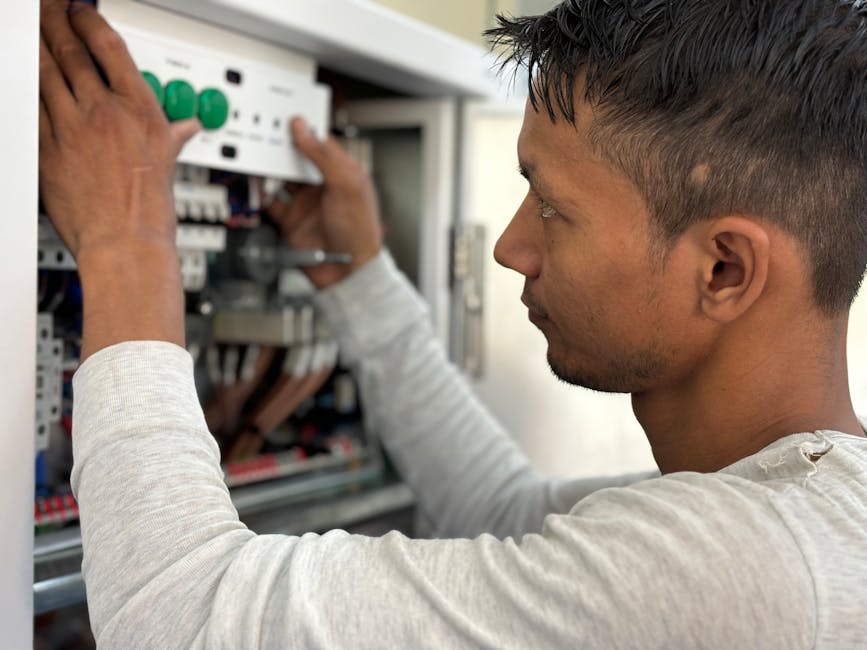
To understand where your money goes during a generator installation, it helps to look at the physical work required on-site. The generator cannot simply sit on your grass; it requires a level, stable foundation, heavy-duty electrical wiring, and a reliable fuel connection.
Every home is unique, and site conditions play a massive role in your final quote. If your electrical panel is on one side of your house and your gas meter is on the exact opposite side, the cost of trenching and running conduit will naturally increase. Finding the right balance between convenience, code compliance, and budget is much easier when you work with an experienced team. For advice on selecting the right partner, see our guide on Don’t Get Left in the Dark Finding Your Perfect Local Generator Pro.
Labor Components of Your Generator Installation Cost
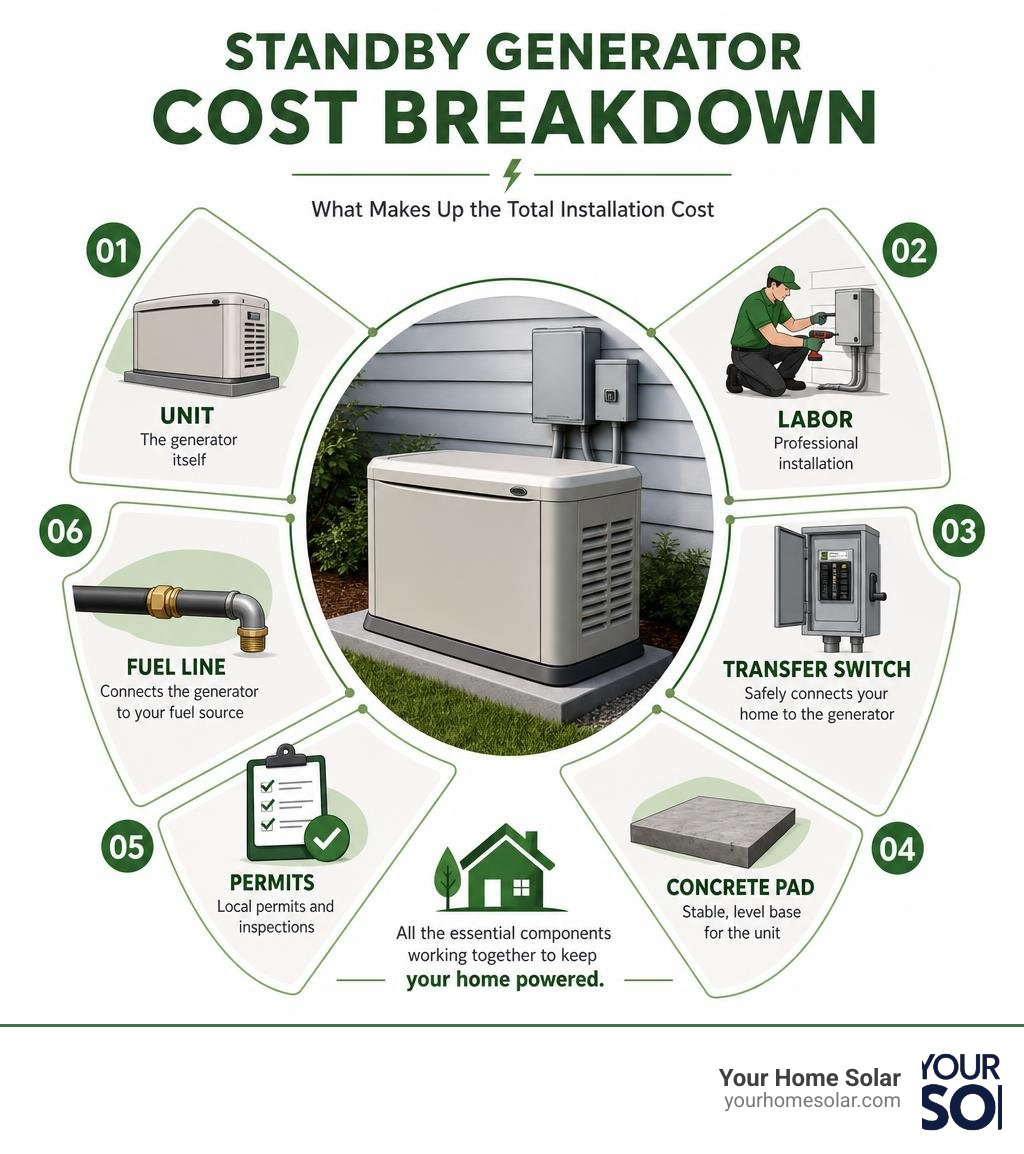
Installing a whole-home generator is a highly technical task that requires the coordination of multiple licensed trades. Labor typically accounts for 30% to 50% of your total project cost, generally ranging from $2,000 to $6,000 depending on the complexity of the job.
Here is how the labor breakdown typically looks:
- Electrical Labor (40% – 60% of labor cost): A licensed electrician must mount and wire the Automatic Transfer Switch (ATS), route heavy-gauge conduit from the generator to your main electrical panel, and safely integrate the system. If your home has an outdated electrical panel, upgrading from a 100-amp to a 200-amp service can add $1,800 to $3,500 to the electrical labor and material costs.
- Plumbing Labor: Standby generators run on either natural gas or liquid propane (LP). A licensed plumber is required to tap into your existing natural gas line or connect the unit to an LP tank. Running new gas lines typically costs $15 to $25 per foot.
- Site Preparation: The generator must sit on a level, reinforced concrete pad (costing $500 to $1,500 depending on size and grading needs) to prevent shifting over time and protect the unit from ground moisture.
For a detailed look at national averages and labor cost expectations, you can reference the Cost to Install a Generator – The Home Depot.
Additional Infrastructure and Permit Fees
Beyond the core labor and equipment, there are several essential components and administrative steps required to complete a legal, safe installation:
- Automatic Transfer Switch (ATS): The ATS is the “brain” of your backup system. It constantly monitors utility power. When the grid goes down, it instantly disconnects your home from the utility lines (preventing dangerous “backfeeding” to utility workers) and starts the generator. An automatic whole-home transfer switch costs $1,500 to $3,000 installed, whereas a basic manual switch costs $700 to $1,550.
- Permits and Inspections: Local municipalities in East Tennessee require electrical and mechanical permits to ensure your system meets code. These permits and subsequent professional inspections typically cost between $150 and $800.
- Utility Coordination: Your installer must coordinate with your local electric cooperative or municipal utility to safely disconnect power during the final hookup.
- HOA Approvals: If you live in a neighborhood with a Homeowners Association, you may need to submit architectural requests regarding generator placement and noise levels (most modern standby units run at about 60-65 decibels, similar to a central AC unit).
For homeowners in specific East Tennessee communities, navigating these local requirements is straightforward when you have a regional expert on your side. Learn more about local permitting and prep in our article on Whole House Generator Installation in Maryville Made Easy.
Ongoing Operational and Maintenance Expenses
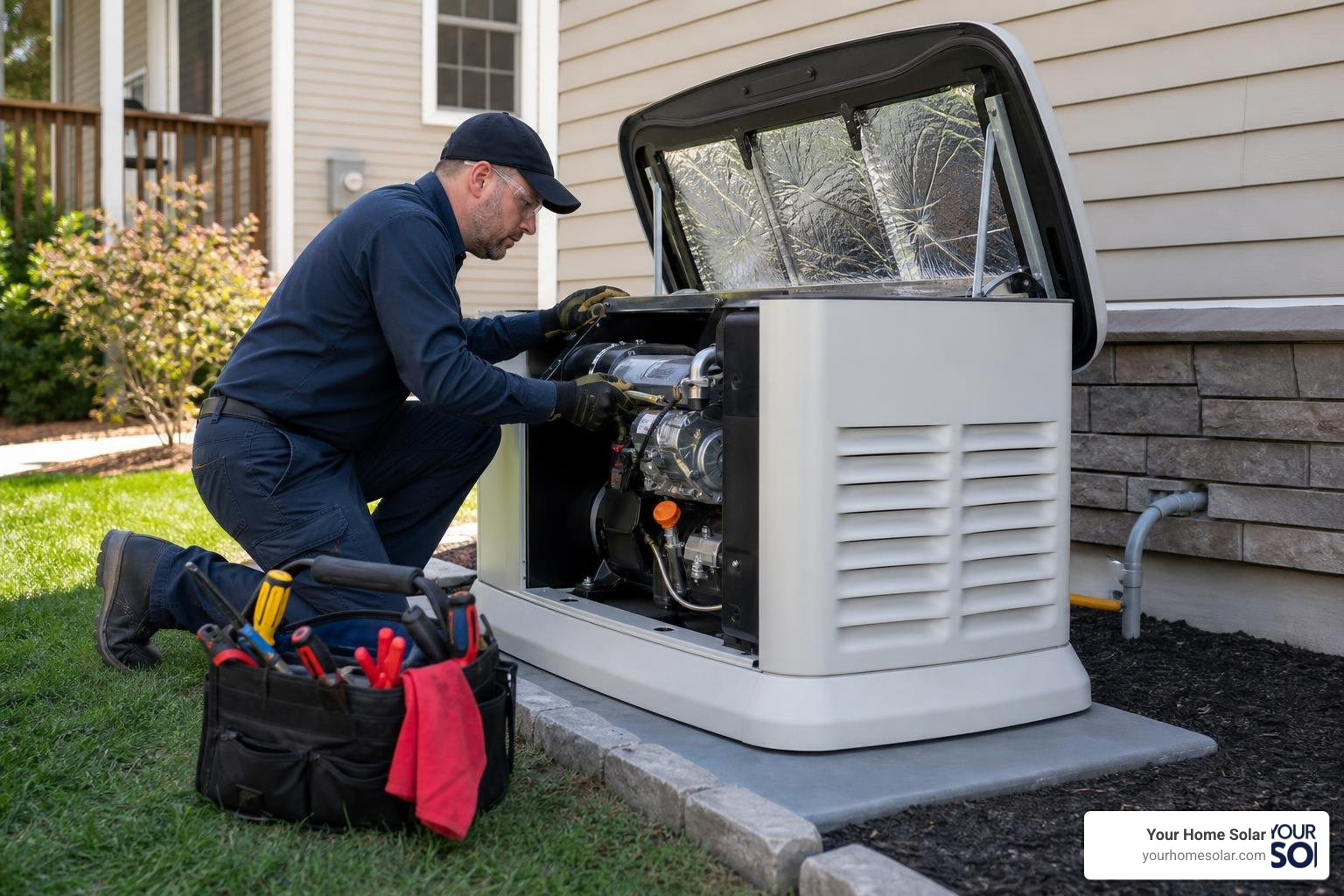
An investment in a backup generator does not end once the installation team packs up their trucks. To ensure your system starts reliably when the power grid fails, you must budget for ongoing maintenance and operational fuel costs.
Regular upkeep is essential to protect your manufacturer’s warranty and extend the lifespan of your generator, which should easily last 15 to 25 years with proper care.
- Annual Maintenance Contracts: Just like your car, a generator needs regular oil changes, spark plug replacements, battery testing, and air filter upgrades. Homeowners can expect to spend between $200 and $500 annually on professional maintenance and system inspections.
- Fuel Operational Costs: The cost to run your generator during an actual outage depends entirely on your fuel source. Natural gas is the most convenient option, offering infinite runtime without the need for manual refueling. Liquid propane (LP) requires a dedicated tank on your property (a 500-gallon tank installation costs $1,800 to $3,200), but propane does not degrade over time like gasoline. During an outage, running a typical 20 kW generator under load will consume roughly 2 to 3 gallons of LP per hour, or equivalent natural gas volume, costing approximately $50 to $100 per day in fuel.
To explore how standby generators compare to clean, fuel-free alternatives like solar battery backups, read The Ultimate Guide to Staying Powered When the Grid Goes Down.
Frequently Asked Questions About Generator Installation
What size generator is recommended for a typical 2,000 sq ft home?
For a typical 2,000-square-foot home in East Tennessee, a 15 to 20 kW generator is highly recommended. This capacity is generally sufficient to power your central heating and air conditioning system, refrigerator, well pump, lighting, and home electronics simultaneously. If your home uses natural gas for heating and water heating, your electrical demand will be lower, allowing you to comfortably use a smaller unit (such as a 12 to 14 kW generator).
Can I finance my standby generator installation?
Yes, wide-ranging financing options are available to make standby power highly affordable. Many homeowners choose to spread the cost over manageable monthly payments. For example, we offer flexible financing programs through trusted partners like Synchrony Financial, with payments starting as low as $165 per month. This allows you to secure your home’s energy independence immediately without a large upfront cash outlay.
Does installing a whole-home generator lower my home insurance?
In many cases, yes. Because a whole-home standby generator automatically keeps your heating system, security alarms, and sump pump running during an outage, it significantly reduces the risk of frozen pipes, mold damage, and basement flooding. Consequently, many insurance providers offer premium discounts ranging from 4% to 10% for homes equipped with an automatic standby generator. Be sure to contact your insurance agent after installation to see if you qualify for these savings.
Conclusion
Investing in a standby generator is about more than just keeping the lights on; it is about protecting your family, securing your property, and gaining absolute peace of mind when East Tennessee’s unpredictable weather strikes.
At Your Home Solar, we specialize in helping homeowners across East Tennessee find the perfect energy resilience strategy. Whether that means a turnkey standby generator installation, a clean solar-and-battery backup system, or a hybrid solution designed to give you the best of both worlds, we are here to provide trusted, local expertise and 100% customer satisfaction.
Ready to take control of your home’s power supply? Contact us today to receive a transparent, personalized estimate tailored to your home’s unique needs, and read our comprehensive guide on Generator Installation Decoding the Dollars and Cents to get started.