What are the fundamental types of solar warranties you should know?
When we talk about solar warranties, it’s not a single, all-encompassing document. Instead, it’s a layered system of protections, each covering a different aspect of your solar energy system. Understanding these distinct types is the first step to ensuring your investment is well-protected.
Product/Equipment Warranty
This warranty covers the physical components of your solar system – essentially, the hardware. It protects against manufacturing defects, material flaws, and issues with the workmanship of individual parts like solar panels, inverters, and batteries.
- Solar Panels: Typically, product warranties for solar panels range from 10 to 25 years. This means if a panel fails due to a manufacturing defect within this period, the manufacturer is responsible for replacing it. For instance, some rigid panels offer a 10-year workmanship warranty alongside their power output guarantee.
- Inverters: These critical components convert the DC electricity from your panels into AC electricity for your home. Microinverters often come with robust 25-year product warranties, while string inverters usually have a 10 to 15-year warranty period.
- Batteries: For energy storage solutions, battery product warranties commonly last between 10 and 15 years, covering defects and ensuring they meet specified capacity retention levels.
While this warranty covers the product, it often doesn’t cover the labor or shipping costs associated with replacing a defective part.
Performance/Power Warranty
Perhaps one of the most critical warranties for your long-term energy production, the performance warranty guarantees the power output of your solar panels over time. Solar panels naturally degrade in efficiency very slowly each year, and this warranty accounts for that.
- Degradation Rates: Most performance warranties are based on an expected annual degradation rate. A typical rate is between 0.5% and 0.7% per year. This means a panel will produce slightly less electricity each year, but the warranty guarantees it won’t fall below a certain threshold. Premium panels, however, boast even lower degradation rates, sometimes as low as 0.25% annually, leading to higher guaranteed output over their lifespan.
- Guaranteed Output Levels: A common benchmark for performance warranties is guaranteeing at least 80% of the original output by year 25. However, leading manufacturers offer more impressive figures, with some premium options guaranteeing as much as 88.3% power output even after 40 years. This ensures your system continues to generate substantial electricity for decades.
Workmanship/Installation Warranty
This warranty is provided by the company that installs your solar system, like Your Home Solar. It covers the quality of the installation itself, including the structural integrity of the mounting, the wiring, electrical connections, and crucial elements like roof penetrations to prevent leaks.
- Duration: Workmanship warranties can vary significantly, typically ranging from 1 to 10 years. However, some comprehensive extended plans can offer coverage for up to 30 years.
- Importance: This is where choosing a reputable and experienced local installer in East Tennessee truly pays off. A strong workmanship warranty from a reliable company ensures that any issues arising from the installation process itself are promptly addressed.
Production Guarantee
While often confused with a performance warranty, a production guarantee is distinct. A performance warranty guarantees the efficiency of the panels (e.g., they will produce at least 80% of their rated power). A production guarantee, on the other hand, promises a specific kilowatt-hour (kWh) output from your entire system over a given period.
- Financial Compensation: If your system underperforms against this guaranteed kWh output, the provider may offer financial compensation, often in the range of $0.10 to $0.20 per missing kWh. This provides a direct financial safeguard against underproduction, which can be affected by factors beyond just panel efficiency, such as shading or inverter performance.
For a deeper dive into how these warranties protect your investment in East Tennessee, you can refer to our guide: Understanding Residential Solar Warranties In East Tennessee Whats Covered
How do solar panel performance warranties ensure your system’s long-term energy output?
The performance warranty is your assurance that your solar panels will continue to generate a significant amount of electricity throughout their lifespan. It directly addresses the natural phenomenon of solar panel degradation, which is the gradual decrease in a panel’s ability to convert sunlight into electricity over time.
Understanding Degradation Rates
Solar panels are built to last, but their efficiency does slowly decline. This decline is measured by a degradation rate:
- Initial Degradation: Most panels experience a slightly higher degradation rate in their very first year of operation, often around 2-3%. This initial dip is typically factored into the warranty.
- Stable Linear Decline: After the first year, the degradation rate stabilizes into a more predictable linear decline. For standard panels, this is typically between 0.4% and 0.8% annually. For example, some leading panels guarantee 98% power output after year one, with a maximum annual degradation of 0.45% for the subsequent 24 years, leading to a 25-year total warranty.
- Premium Panel Advantage: Premium solar panels often boast significantly lower annual degradation rates, some as low as 0.25%. This seemingly small difference compounds over decades, resulting in substantially higher energy production and guaranteed output levels at the end of the warranty period.
Guaranteed Output Levels
Performance warranties specify a minimum power output level that your panels are guaranteed to maintain over time.
- Industry Standard: The industry standard typically guarantees at least 80% of the original output by year 25. This means that after a quarter-century, your panels should still be producing at least four-fifths of the power they did on day one.
- Leading-Edge Guarantees: For homeowners seeking maximum long-term value, some premium panels offer guarantees that extend far beyond the standard. For instance, some advanced technologies assure 88.3% power output even after 40 years, showcasing exceptional durability and performance longevity.
How Performance is Measured and Monitored
To ensure these guarantees are met, modern solar systems are equipped with sophisticated monitoring capabilities:
- Real-time Production Recording: Your system continuously records its energy production, often down to the individual panel level.
- Daily Evaluation: This data is collected and evaluated daily against estimated production levels, taking into account factors like weather conditions and historical performance.
- Remote Troubleshooting: If a dip in performance is detected, our team can often diagnose and even troubleshoot issues remotely, ensuring your system operates at its peak.
Studies by organizations like NREL (National Renewable Energy Laboratory) have shown a median solar panel degradation rate of 0.75% per year for commercial systems, confirming the importance of these warranty specifications. For residential systems in East Tennessee, understanding these metrics is key to assessing the true long-term value of your solar investment.
| Metric | Typical Panels | Premium Panels |
|---|---|---|
| Annual Degradation Rate | 0.5% – 0.7% (after year 1) | 0.25% – 0.45% (after year 1) |
| Guaranteed Output at Year 25 | 80% – 85% of original output | 90% – 92% of original output |
| Longest Warranty Period | 25 years | 40 years |
| Output at End of Longest Period | 80% (at year 25) | 88.3% (at year 40) |
What are the key differences between manufacturer, installer, and extended solar warranties?
Navigating the various solar warranties can feel like piecing together a puzzle, but understanding who provides each type of coverage is crucial for comprehensive protection. We differentiate between manufacturer, installer, and third-party extended warranties, each playing a unique role in safeguarding your solar investment.
Manufacturer Warranties
These warranties come directly from the companies that produce your solar equipment – the panels, inverters, and batteries.
- Coverage Focus: Manufacturer warranties primarily cover the product itself and its performance (as discussed in the previous sections). They protect against defects in materials and workmanship, and guarantee a certain level of power output over time.
- Limitations: A common limitation of manufacturer warranties is their coverage for labor, shipping, and installation costs associated with repairs or replacements. While they’ll often provide a new part, you might be responsible for the cost of getting that part to your home in East Tennessee and having it installed. This is a significant consideration, as a single service visit (often called a “truck roll”) can be costly.
Installer Workmanship Warranties
This is where your choice of a local, reputable installer like Your Home Solar becomes paramount. The installer workmanship warranty covers the quality of the installation itself.
- What it Covers: This warranty protects you against errors made during the installation process, ensuring the system is correctly mounted, wired, and connected. It also typically covers roof penetrations, offering a watertight roof warranty to prevent leaks caused by the installation.
- Duration and Reliability: The duration of these warranties varies, commonly ranging from 1 to 10 years. However, the true value lies in the stability and reputation of the installer. If an installer goes out of business, their workmanship warranty may become void, leaving you without recourse for installation-related issues. This underscores why we emphasize choosing a financially stable company with a long-standing commitment to customer satisfaction in our East Tennessee communities.
Third-Party Extended Warranties
These are independent warranty plans, often backed by insurance companies, designed to fill the gaps left by manufacturer and installer warranties.
- Pros:
- Comprehensive Coverage: They can offer extensive protection, covering parts, labor, shipping, and even roof penetrations for extended periods (e.g., 30 years).
- Longer Terms: They often extend coverage beyond standard manufacturer or installer warranties.
- Zero Deductible: Many come with no deductible, meaning you won’t pay out-of-pocket for covered repairs.
- Bankruptcy Protection: A key benefit is protection against the failure of your installer or even the panel manufacturer. If either goes out of business, the third-party warranty can step in to honor the coverage.
- Cons:
- Additional Cost: These plans come with an additional upfront cost, typically a small percentage of your total system price.
- New Installations Only: They are usually only available for new solar installations.
Do solar warranties cover labor, shipping, and installation costs for repairs or replacements?
This is a critical question. As mentioned, manufacturer warranties often limit or entirely exclude these costs. This means that while a defective panel might be replaced under warranty, you could still be on the hook for the labor to remove the old one, ship the new one, and install it. This is where comprehensive installer workmanship warranties and third-party extended warranties shine. They are specifically designed to cover these “soft costs,” offering true peace of mind. When we design a solar solution for your home, we ensure you understand exactly what is covered by each warranty component. For more information on industry standards, see this Solar Performance Guarantee: Complete Guide To Warranties & Protection (2025).
What common exclusions and limitations could void your solar warranty?
While solar warranties offer robust protection, it’s equally important to understand what they don’t cover or what actions could inadvertently void them. Being aware of these common exclusions and limitations can save you significant headaches and costs down the line.
Acts of Nature
Most solar warranties, like many other home insurance policies, have limitations regarding “acts of nature” or “force majeure” events. This typically includes:
- Severe Weather: Damage from extreme weather events such as hurricanes, tornadoes, severe hail, lightning strikes, floods, or wildfires. For instance, some warranties specify wind gust limits (e.g., exceeding 139 mph).
- Environmental Factors: While less common in East Tennessee, proximity to saltwater within a certain distance can be an exclusion for corrosion-related damage.
It’s crucial to ensure your homeowner’s insurance policy provides adequate coverage for your solar system against these types of events.
Misuse, Abuse, or Improper Maintenance
Your warranty is contingent on the proper care and operation of your solar system. This means:
- Unauthorized Modifications: Any alterations or additions to your system not approved by the manufacturer or your installer could void the warranty. This includes using non-approved components or making DIY repairs.
- Improper Maintenance: Failing to follow recommended maintenance guidelines, such as keeping panels reasonably clean (though rain often handles this in East Tennessee) or ensuring proper ventilation around inverters, could be cited as a reason to deny a claim.
- Neglect: Damage resulting from neglect, vandalism, or theft is typically not covered by solar product or performance warranties.
Installer Errors
While your installer’s workmanship warranty should cover errors in installation, there are nuances:
- Uncertified Installers: If your system was installed by an uncertified or unauthorized installer, the manufacturer’s warranty might be voided, as improper installation can directly lead to product failure.
- Installer Bankruptcy: As mentioned, if your installer goes out of business, their workmanship warranty may become worthless, leaving you responsible for fixing any installation-related issues. This risk is mitigated when you choose a financially stable, local company like Your Home Solar.
Lack of Proper Documentation or Registration
To make a warranty claim, you’ll need to provide specific documentation. Failure to retain these records or to register your product within specified timelines can lead to denied claims. This includes:
- Proof of purchase and installation date.
- Maintenance records.
- System monitoring data.
At Your Home Solar, we emphasize the importance of professional installation and adherence to the owner’s manual for operation and maintenance. We guide our customers through these best practices to ensure their warranties remain valid throughout the system’s lifetime.

How do you file a solar warranty claim and what happens if a company goes out of business?
Even with the most reliable solar system, issues can occasionally arise. Knowing how to navigate the warranty claim process efficiently is crucial. Furthermore, understanding the implications of a solar company going out of business is vital for protecting your long-term investment.
Step-by-Step Claims Process
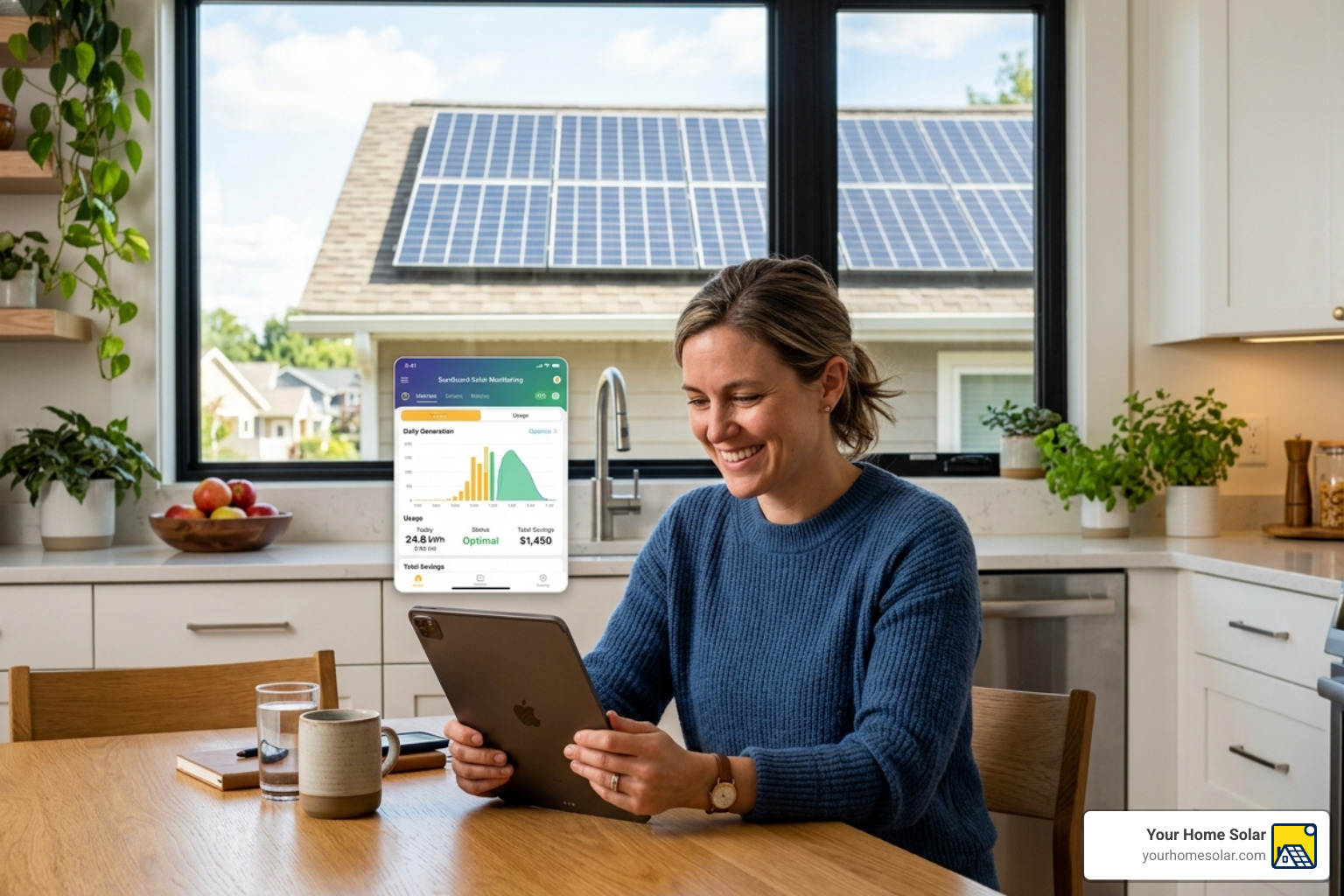
- Identify the Issue: The first step is often noticing a problem, typically through your system’s monitoring app. You might see a sudden drop in production, an error message, or a complete system shutdown.
- Gather Documentation: Before contacting anyone, collect all relevant paperwork. This includes your original purchase agreement, installation date, warranty documents for all components, and any system monitoring data that shows underperformance. Photos or videos of the issue can also be very helpful.
- Contact Your Installer First: For most issues, especially those that might be related to installation or system integration, your first point of contact should always be your original installer, like Your Home Solar. We are best equipped to diagnose the problem, as we understand your specific system configuration and can determine if it’s a workmanship issue or a product defect. If it’s a product defect, we will typically coordinate with the manufacturer on your behalf.
- Manufacturer Coordination (if necessary): If the issue is confirmed to be a product defect, your installer will usually facilitate the warranty claim with the manufacturer. They have established relationships and can navigate the process more efficiently than a homeowner might.
- Resolution: The manufacturer, in coordination with your installer, will then provide a remedy, which could include repairing the defective part, replacing it, or offering financial compensation.
Transferability of Warranties
A common question for homeowners in East Tennessee considering selling their property is: are solar warranties transferable to new homeowners?
- Manufacturer Product and Performance Warranties: Most manufacturer product and performance warranties are indeed transferable to subsequent homeowners. This is a significant selling point for your home, as it assures the new owner of the system’s continued protection.
- Installer Workmanship and Production Guarantees: The transferability of these warranties can vary. Some installers offer transferable workmanship warranties, while others might not. Production guarantees may also have specific clauses regarding transfer. It’s essential to check your specific warranty documents for any transfer fees or notification requirements. We ensure transparency on this for all our customers.
Risks of Solar Panel Bankruptcies
The solar industry has seen its share of consolidation and company failures. What happens to your warranty if your installer or a panel manufacturer goes out of business?
- Installer Bankruptcy: If your installer ceases operations, their workmanship warranty typically becomes void. This leaves you responsible for any installation-related issues. This is a primary reason why we emphasize choosing a financially stable and reputable local company with a proven track record in East Tennessee.
- Manufacturer Bankruptcy: If a solar panel or inverter manufacturer goes bankrupt, their product and performance warranties may become worthless. While some larger manufacturers have contingency plans or third-party backing, this is not always the case.
- Mitigation: To protect against this risk, homeowners can consider:
- Choosing Financially Stable Companies: Researching the financial health and longevity of manufacturers and installers.
- Third-Party Extended Warranties: These insurance-backed plans are specifically designed to provide protection even if the original manufacturer or installer fails.
- Legacy Systems: For certain legacy systems (e.g., from manufacturers that have undergone significant changes), specific registration deadlines may apply for continued, albeit sometimes limited, warranty coverage.
At Your Home Solar, we are committed to being a trusted, long-term partner for our East Tennessee customers, providing reliable installations and support that stands the test of time.
Frequently Asked Questions about Solar Warranties
We understand that solar warranties can be complex. Here are some frequently asked questions to help clarify common concerns for homeowners in East Tennessee.
What should I look for when comparing solar warranties across brands?
When comparing solar warranties, we recommend focusing on several key factors to ensure comprehensive protection:
- Warranty Lengths: Look at the duration of both the product and performance warranties. Longer is generally better. Some leading brands now offer 40-year warranties on panels, significantly extending protection beyond the standard 25 years.
- Annual Degradation Rate: For performance warranties, a lower annual degradation rate (e.g., 0.25% vs. 0.7%) means your panels will produce more electricity for longer.
- Coverage of Labor and Shipping: Crucially, check if the warranty covers the labor and shipping costs for repairs or replacements. Many manufacturer warranties do not, which can lead to unexpected out-of-pocket expenses.
- Transferability: Confirm if the warranty is transferable to new homeowners, and if there are any associated fees or notification requirements. This can add significant value to your home if you decide to sell.
- Company Reputation and Stability: Research the financial health and track record of both the manufacturer and your chosen installer. A warranty is only as good as the company backing it.
Should I consider extended solar warranty plans?
Extended solar warranty plans can be a valuable addition for many homeowners, offering enhanced peace of mind.
- Pros:
- Comprehensive Coverage: They often cover parts, labor, shipping, and even roof penetrations, filling gaps left by standard warranties.
- Longer Terms: They can extend coverage significantly, sometimes up to 30 years or more.
- Zero Deductibles: Many plans offer zero deductibles, meaning no out-of-pocket costs for covered repairs.
- Bankruptcy Protection: A major benefit is protection against the financial instability or bankruptcy of your installer or the original equipment manufacturer.
- Cons:
- Additional Cost: There is an upfront cost for these plans, typically a small percentage of your total system price.
- New Installations: They are generally only available for new solar installations.
For many, the long-term security and comprehensive protection offered by extended plans outweigh the initial investment, especially given the multi-decade lifespan of a solar system.
How does proper maintenance and monitoring affect solar warranty validity?
Proper maintenance and continuous monitoring are not just good practices; they are often crucial for maintaining your solar warranty’s validity.
- Maintenance: Following the manufacturer’s recommended maintenance schedule, such as occasional cleaning of panels (especially in dusty areas or if pollen is heavy) and ensuring inverters are free from obstructions, is important. While panels are generally low-maintenance, severe soiling can impact performance and, in extreme cases, potentially affect warranty claims if neglect is proven. We advise on best practices for your East Tennessee home.
- Monitoring: Continuous system monitoring is vital for two main reasons:
- Early Detection: It allows you to detect any performance issues or faults early, enabling prompt action before minor problems escalate.
- Documentation for Claims: The detailed performance data collected by your monitoring system provides essential documentation for warranty claims. If your system is underperforming, this data serves as concrete evidence to support your claim.
By staying on top of maintenance and regularly checking your system’s performance, you help ensure your solar system operates efficiently and that your warranties remain fully intact.
Conclusion
Navigating solar warranties can seem daunting, but understanding the different types of coverage, their limitations, and the claims process is essential for protecting your investment. A robust warranty package provides peace of mind, ensuring your solar system delivers clean, reliable energy for decades. By asking the right questions and choosing a reputable provider, you can safeguard your solar journey. Your Home Solar is dedicated to providing comprehensive, warrantied solar solutions in East Tennessee, ensuring our customers receive trusted expertise and 100% satisfaction. We’re here to help you understand your warranty and ensure your solar investment is protected for the long haul.
For more detailed information on our warranties and how we protect your investment, please visit our dedicated page: warranties