The Three Pillars of a Solar Panel Warranty
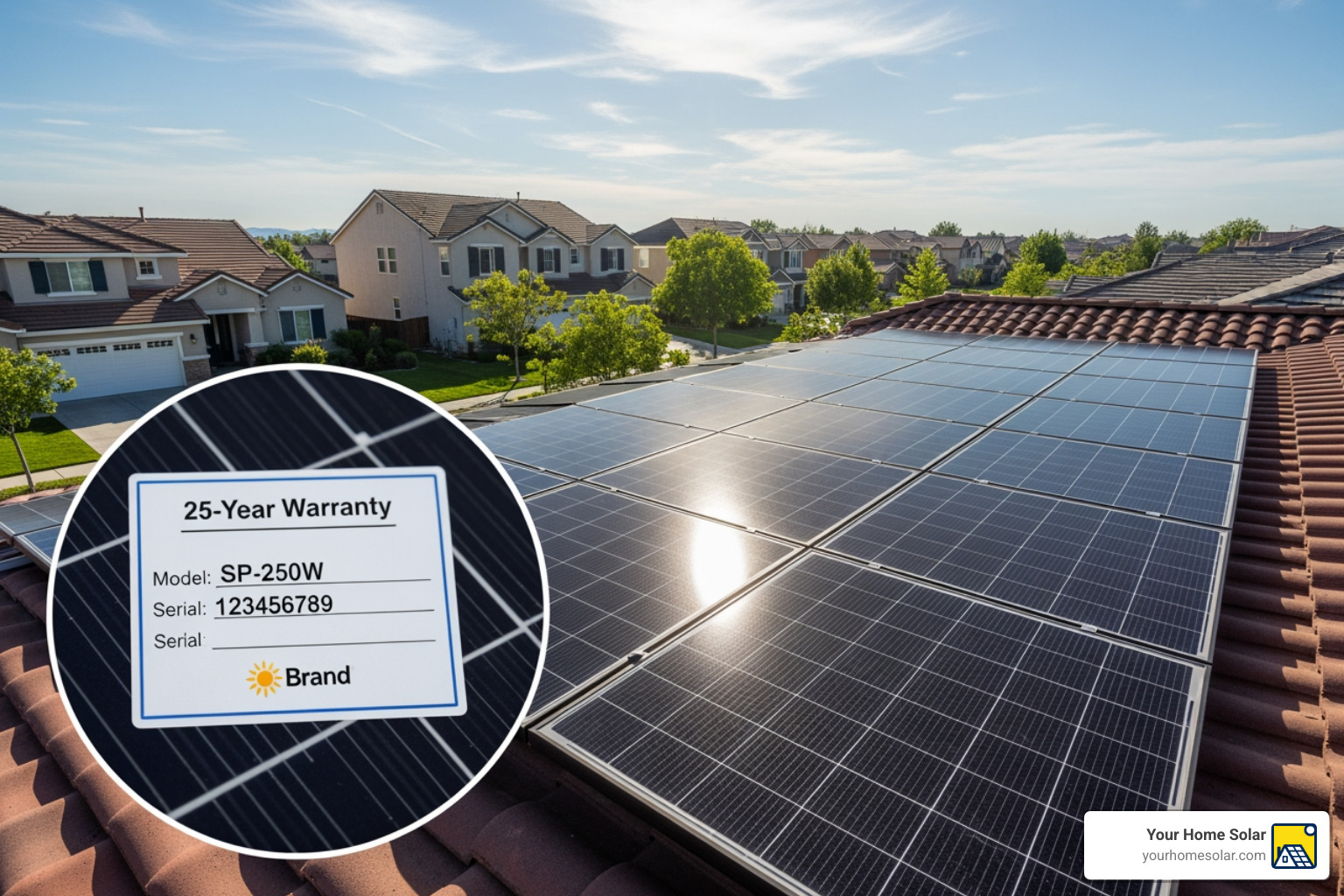
When we talk about a solar panel warranty, we are actually talking about a “warranty stack.” Think of it like a three-layer cake: the product warranty, the performance warranty, and the workmanship warranty. If one layer is missing or thin, the whole thing doesn’t quite hold up.
| Warranty Type | What it Covers | Typical Duration | Who Provides It |
|---|---|---|---|
| Product Warranty | Manufacturing defects, premature wear, and materials. | 10–25 Years | Manufacturer |
| Performance Warranty | Guaranteed electricity output (efficiency) over time. | 25–30 Years | Manufacturer |
| Workmanship Warranty | Installation quality, wiring, and roof penetrations. | 1–10 Years | Solar Installer |
While these durations might seem long, they are backed by impressive data. According to a study by the National Renewable Energy Laboratory, the reliability of modern modules is staggering. Only about 5 in 10,000 panels fail—a failure rate of just 0.05%. This means that while a solar panel warranty is essential for peace of mind, the technology itself is incredibly robust.
Product vs. Performance: The Core of a Solar Panel Warranty
It is a common point of confusion: “If my panel has a 25-year warranty, why are there two different sections?”
- Product Warranty (Equipment & Materials): This protects you against physical flaws. If a panel’s frame warps, the glass shatters due to a thermal defect, or the internal “busbars” fail because of poor soldering, the product warranty kicks in. Historically, these lasted 10 to 12 years, but premium manufacturers have now pushed this to 25 years.
- Performance Warranty (Power Output): Solar panels naturally lose a tiny bit of efficiency every year (degradation). A performance warranty guarantees that this decline won’t happen too fast. A standard guarantee is that the panels will produce at least 90% of their original output after 10 years and 80% after 25 years.
Some high-end panels perform even better. For example, certain modules guarantee 98% output in year one and decline by no more than 0.45% annually for 25 years. This ensures your “energy engine” stays powerful for decades.
Installer Workmanship and Labor Coverage
This is where the rubber meets the road—or rather, where the rack meets the roof. While the manufacturer covers the equipment, the installer covers the work.
A workmanship warranty covers issues like:
- Loose wiring or faulty electrical connections.
- Roof leaks caused by mounting penetrations.
- System design errors that lead to underperformance.
One critical detail many homeowners miss is labor and truck rolls. Many manufacturer warranties will ship you a new panel for free, but they won’t pay the technician to climb onto your roof and swap it out. The average cost for a single “truck roll” and labor claim is approximately $595. At Your Home Solar, we emphasize the importance of understanding East Tennessee warranties because local climate factors—like our humid summers and occasional heavy snow in the mountains—demand high-quality installation standards.
What is Covered (and What Isn’t) in Your Policy?
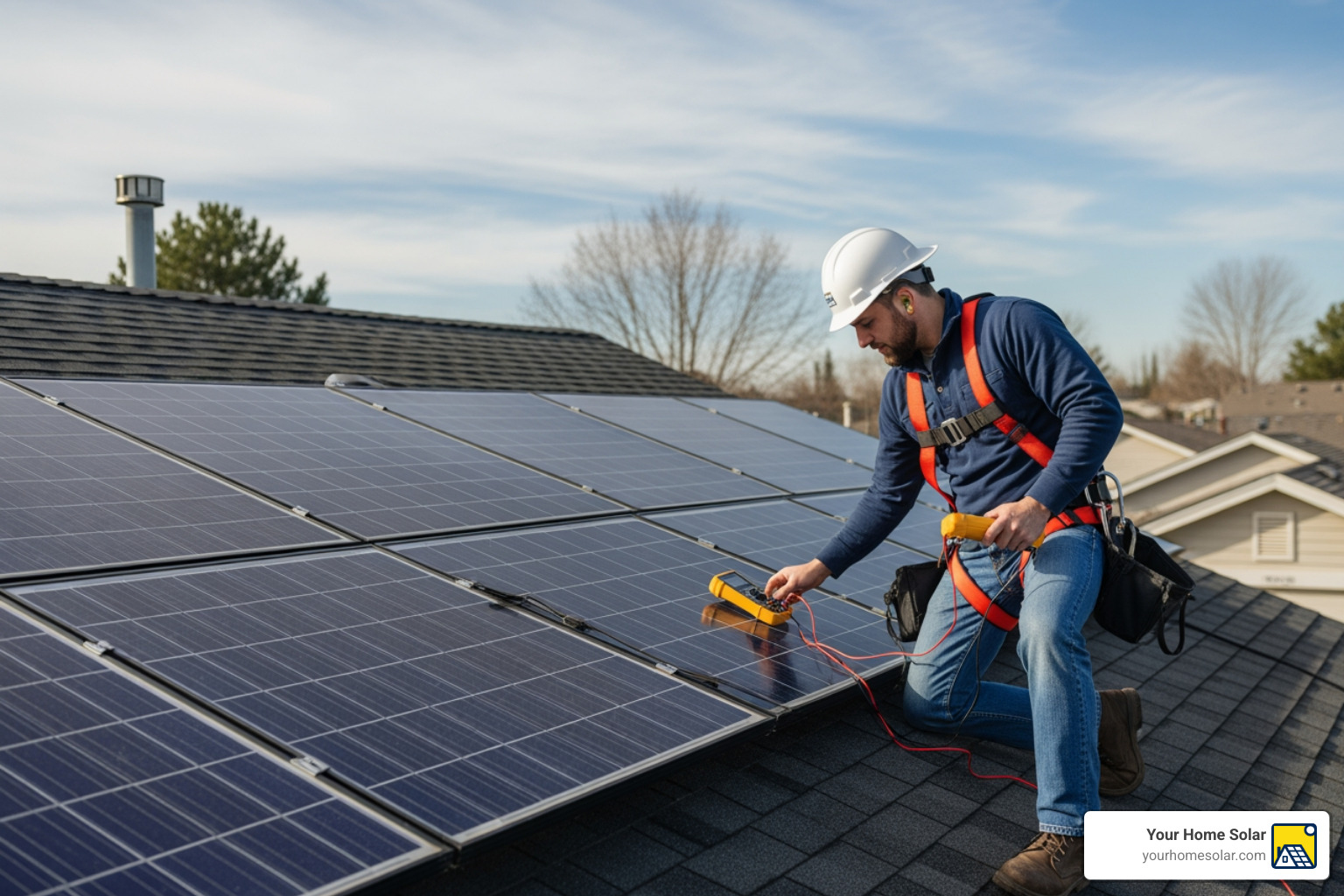
A solar panel warranty is designed to protect you from the unexpected, but it isn’t a “get out of jail free” card for every possible issue. It primarily covers manufacturing flaws and equipment failure that occurs under normal operating conditions.
Standard coverage usually includes:
- Defective solar cells or internal circuitry.
- Premature browning or delamination of the panel surface.
- Faulty junction boxes on the back of the panel.
However, there is a list of common exclusions that you need to be aware of. For instance, “Acts of God” (like a tornado or a massive hail storm) are typically not covered by a manufacturer’s solar panel warranty. For those events, you’ll rely on your homeowners insurance. Additionally, “normal wear and tear”—the slight cosmetic fading of the frame or glass—is rarely covered if it doesn’t affect power production. To help homeowners stay informed, the NREL provides solar warranty consumer protection guidelines that outline what a fair policy should look like.
Factors That Can Void Your Coverage
You could have the best warranty in the world, but it becomes a piece of scrap paper if you void it. Here are the most common “warranty killers” we see:
- Improper Installation: If the panels aren’t mounted according to the manufacturer’s specific manual (using the wrong clamps or spacing), the warranty is void from day one.
- Unauthorized Repairs: If you or a “handy” neighbor try to fix a wiring issue yourself, you can say goodbye to your coverage.
- Lack of Maintenance: While solar is low-maintenance, neglecting basic care (like letting thick layers of debris or bird droppings sit on the panels for years) can lead to “hot spots” that damage cells and void warranties.
- Non-Certified Contractors: Most manufacturers require that repairs or additions be performed by certified professionals.
- Vandalism or External Damage: If a stray baseball or a deliberate act of vandalism cracks a panel, that’s an insurance claim, not a warranty claim.
The Impact of Solar on Your Roof Warranty
“Will solar panels void my roof warranty?” This is the number one question we get in places like Knoxville and Kingsport. The short answer is: No, not if done correctly.
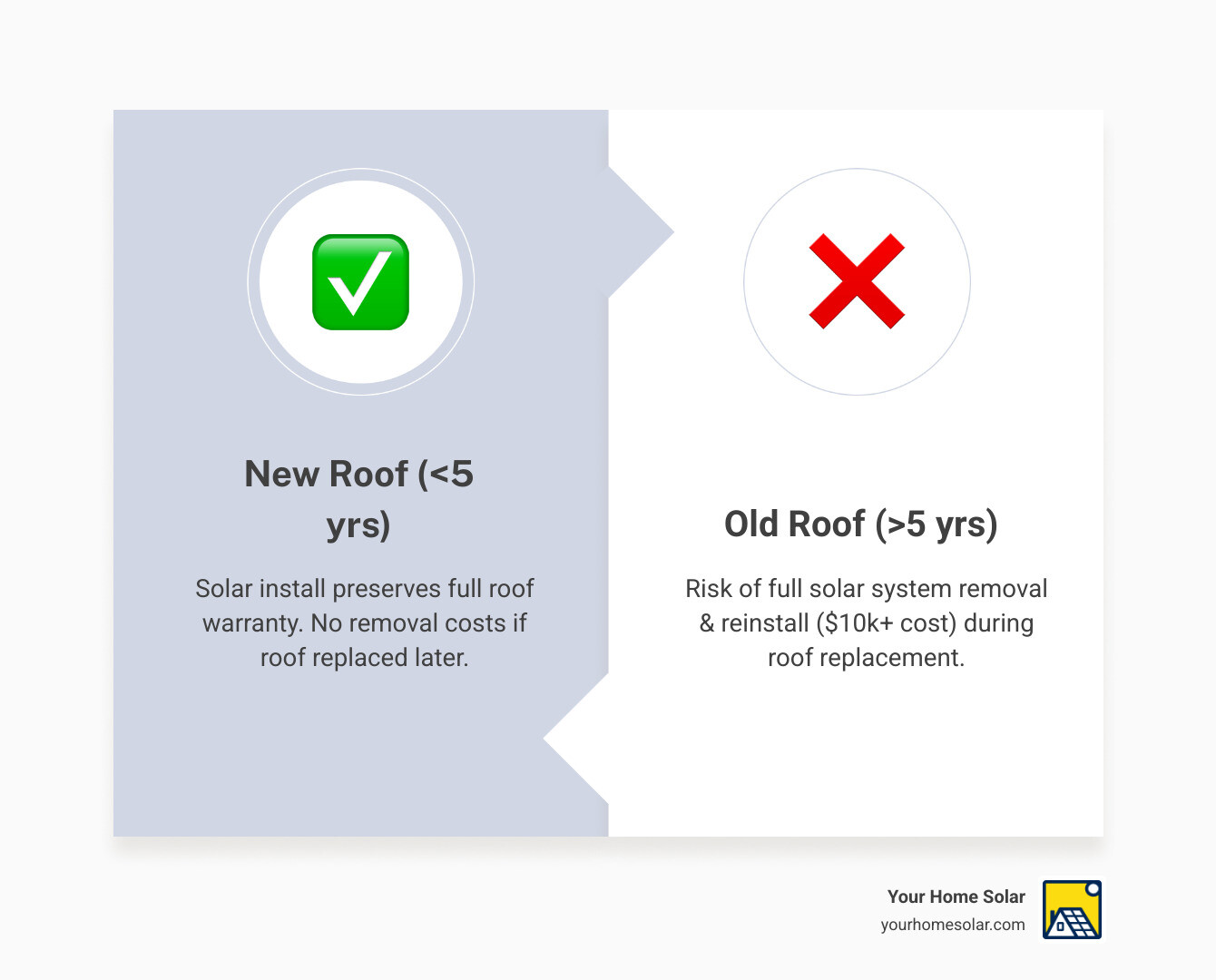
A professional solar installation should only affect the specific areas where the roof is penetrated. A quality installer will provide a roof penetration warranty (typically 5 to 10 years) that takes over the liability for those specific spots. If your roof is older, we often recommend replacing it before going solar. Why? Because solar panels have 25-year warranties, and if you need to replace a roof in 5 years, you’ll have to pay to have the entire solar system removed and reinstalled.
Protecting Your Investment Through Monitoring and Claims
The best way to ensure your solar panel warranty stays enforceable is to keep an eye on your system. You can’t claim a performance failure if you don’t know your panels are underperforming!
How to Monitor Your Solar Panels
Modern systems come with digital monitoring apps (like Enphase Enlighten or Tesla’s app) that show you exactly how much energy each individual panel is producing.
- Real-time alerts: If a panel stops communicating or its output drops significantly compared to its neighbors, the app will ping you.
- Historical Data: This is vital for performance claims. If you notice your system is producing 20% less energy than it did last year under similar weather conditions, you have the data needed to start a claim.
How to File a Solar Panel Warranty Claim
If you suspect a defect, don’t climb onto the roof yourself—that can void the warranty! Instead, follow this process:
- Contact Your Installer First: We are your first line of defense. We can remotely diagnose the system and determine if the issue is a manufacturer defect or a simple “tripped breaker.”
- Gather Documentation: Have your original contract, installation date, and photos of the monitoring app showing the failure ready.
- Manufacturer Registration: Ensure your panels were registered with the manufacturer shortly after installation.
- The Resolution: Once the claim is approved, the manufacturer will either repair the panel, replace it with a new or refurbished model, or provide a pro-rated refund.
Long-Term Reliability and Installer Longevity
A 25-year workmanship warranty is only as good as the company that stands behind it. In the solar industry, “orphan systems”—systems whose original installers have gone out of business—are a real problem.
When choosing an installer in East Tennessee, look for:
- Company History: Have they been in business for more than a few years?
- Service Departments: Do they have a dedicated team for repairs, or just sales and installation?
- Third-Party Backing: Some warranties are “insurance-backed,” meaning even if the installer disappears, a third-party insurance company like Solar Insure will pay for the labor and repairs.
Frequently Asked Questions About Solar Panel Warranties
Are solar panel warranties transferable when selling a home?
In almost all cases, yes! A solar panel warranty is usually tied to the equipment and the address, not the specific person. This is a huge selling point for your home. When you sell your house in Johnson City or Morristown, you can pass that peace of mind to the new buyer.
Some manufacturers require a “transfer of ownership” form to be submitted within 30 days of the home sale, and a small fee might apply. Always keep your warranty documents in a safe place to hand over to the next owner—it significantly boosts your home’s resale value.
What are the best features of leading solar panel warranties?
When comparing quotes, look for these “gold standard” features:
- 25-Year Product Coverage: Don’t settle for 10 or 12 years.
- Low Annual Degradation: Look for panels that lose less than 0.5% of their efficiency per year.
- Labor Reimbursement: Some premium manufacturers will pay the installer a set fee (e.g., $200) to help cover the cost of the “truck roll.”
- Comprehensive Coverage: The best warranties cover the panels, the inverters, and the racking system for a similar duration.
Does homeowners insurance cover solar panel damage?
Yes, but you must call your insurance agent to add the system to your policy. Once installed, solar panels are considered a permanent attachment to your home, much like a deck or a porch.
While your solar panel warranty covers defects, your homeowners insurance covers “Acts of God” like:
- Hail damage.
- Fire or lightning strikes.
- Vandalism or theft.
- Trees falling on the array.
That you will still have to pay your deductible for insurance claims, whereas a warranty claim should have zero deductible.
Conclusion
Investing in solar power is a brilliant move for East Tennessee homeowners, but the real value lies in the long-term security of your solar panel warranty. By choosing a system with 25-year product and performance guarantees and partnering with a reliable local installer, you ensure that your transition to clean energy is as smooth as it is rewarding.
At Your Home Solar, we pride ourselves on providing trusted expertise and 100% customer satisfaction across the region—from Knoxville to Sevierville and beyond. We don’t just install panels; we provide a tailored, reliable energy solution that we stand behind for the long haul.
Ready to secure your energy future with a system that’s built to last? Learn more about our industry-leading warranties and see how we can help you make the most of the Tennessee sun. Give us a call today—we’re here to make sure your investment is protected for decades to come.